Featured
New survey to spotlight mental health of rural women in Aotearoa
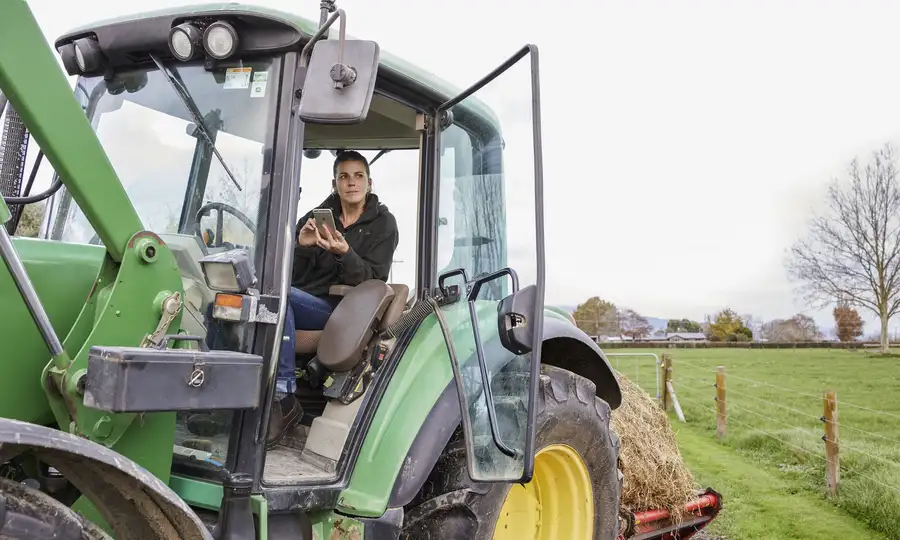
A groundbreaking nationwide survey led by researchers from Te Kunenga ki Pūrehuroa Massey University and Te Whare Wānaka o Aoraki Lincoln University, is calling on women living and working on farms across Aotearoa New Zealand to share their experiences of mental health and wellbeing.
Congratulations to Massey’s King’s Birthday Honours List 2026 recipients
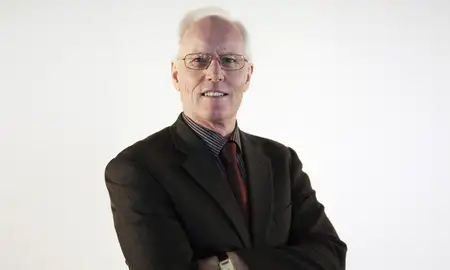
Alumni, staff and former staff from Te Kunenga ki Pūrehuroa Massey University have been recognised in the King’s Birthday Honours List 2026, including Professor Emeritus Sir James Chapman, who has been named a Knight Companion of the New Zealand Order of Merit (KNZM) for services to literacy education.
Massey University secures approval for second Joint Education Institute in China
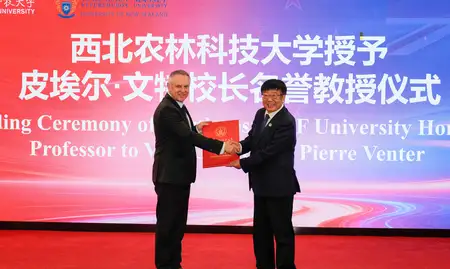
Te Kunenga ki Pūrehuroa Massey University announced today it has received formal approval from the Chinese Government to establish a second Joint Education Institute (JEI) in China, marking a major milestone in the university’s transnational education strategy.
Remembering Professor Chris Scogings
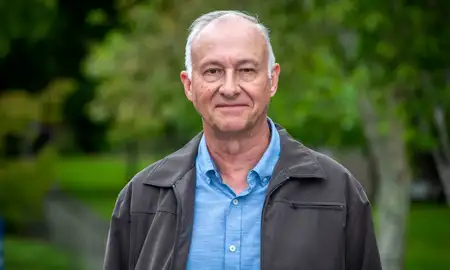
Te Kunenga ki Pūrehuroa Massey University acknowledges the passing of Professor Chris Scogings, Head of the School of Mathematical and Computational Sciences, and celebrates his life, legacy and significant contribution to the university and the advancement of computer science.
Search all news
University news
Partnership boosts opportunities for Manawatū tamariki
Te Kunenga ki Pūrehuroa Massey University has partnered with Talent Central to support the expansion of Te Wānanga Nohinohi ki Te Kunenga Children’s University Massey in Manawatū, to help more young people access inspiring learning opportunities and imagine their futures.

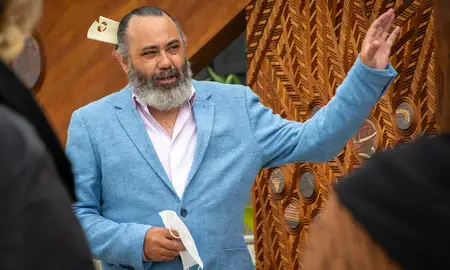
Director Toi Māori Associate Professor Ngataiharuru Taepa appointed to NZ Arts Council
Associate Professor Ngataiharuru Taepa’s goal in his new role as a member of the New Zealand Arts Council is simple - to continue his lifelong advocacy for the creative arts as a vital pillar of our society.
Congratulations to Massey’s King’s Birthday Honours List 2026 recipients
Alumni, staff and former staff from Te Kunenga ki Pūrehuroa Massey University have been recognised in the King’s Birthday Honours List 2026, including Professor Emeritus Sir James Chapman, who has been named a Knight Companion of the New Zealand Order of Merit (KNZM) for services to literacy education.
Massey, HATA and T.R. Ellett Trust team up to boost agriculture teacher capability
A new series of micro-credential professional development courses has been launched to strengthen agriculture and horticulture teaching capability in secondary schools across Aotearoa New Zealand.

Research news
Funding boost for life-saving opioid research and nurses’ mental health support
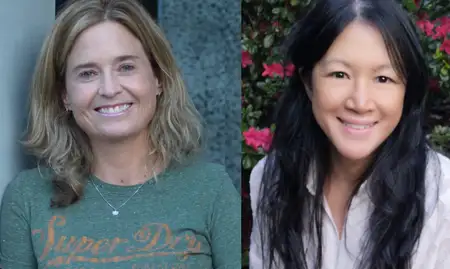
Associate Professor Taisia Huckle and Dr Amanda Eng from Massey University’s College of Health, have secured funding from the Health Research Council (HRC) of New Zealand in the latest general funding round.
Massey expert helps shape the future of the world’s oceans
Professor Bruce Glavovic has contributed to a major United Nations ocean assessment examining global climate, biodiversity and sustainability challenges.

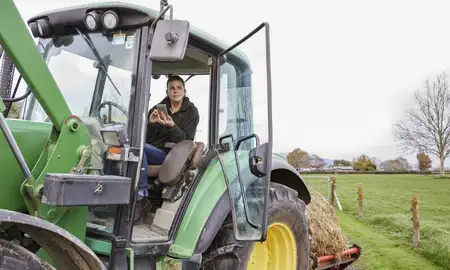
New survey to spotlight mental health of rural women in Aotearoa
A groundbreaking nationwide survey led by researchers from Te Kunenga ki Pūrehuroa Massey University and Te Whare Wānaka o Aoraki Lincoln University, is calling on women living and working on farms across Aotearoa New Zealand to share their experiences of mental health and wellbeing.
Beef cows making a comeback on hill country farms
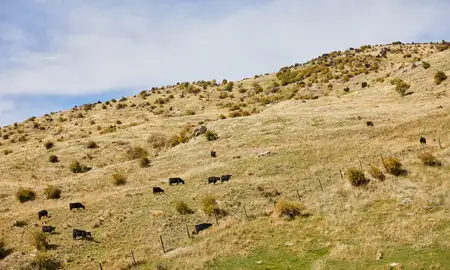
New modelling research show beef cows could play an increasingly important role in improving profitability and resilience on Aotearoa New Zealand hill country farms.
Student success news
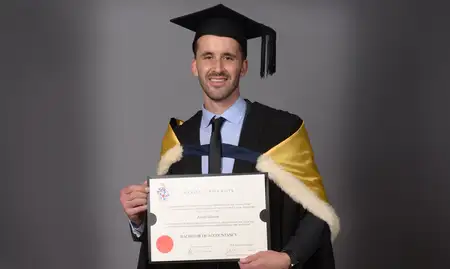
Accountancy graduate turns study into purpose
Erroll Gibson returned to university in his thirties to pursue a Bachelor of Accountancy. Last month, he crossed the stage as a Massey University graduate and is now beginning his career as an Assistant Auditor at The Audit Office, helping strengthen accountability and transparency across the public sector.
Researcher creates a platform that identifies construction delays early, enabling action to mitigate extra costs
Dr Kambiz Radman has created a platform the construction sector may one day be able to use to solve the costly problem of project delays.
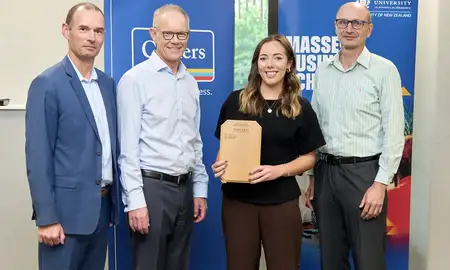
Next-generation property professional awarded Colliers Bursary
Bachelor of Business (Property) student Sophie Rollitt has been named the 2026 recipient of the Marcus Kitt Colliers Bursary, recognising her strong academic performance, industry experience and dedication to the property profession.
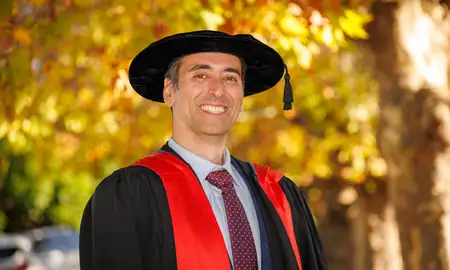
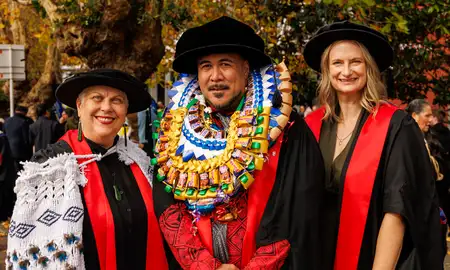
Three Massey staff celebrate PhD graduations alongside their students
Three staff from the Colleges of Health and Humanities and Social Sciences crossed the graduation stage yesterday to collect their doctoral degrees, sharing the moment with some of the students they teach.
Opinion and features
Opinion: The arts, not move-on orders, are part of the solution to homelessness
By Professor Elspeth Tilley

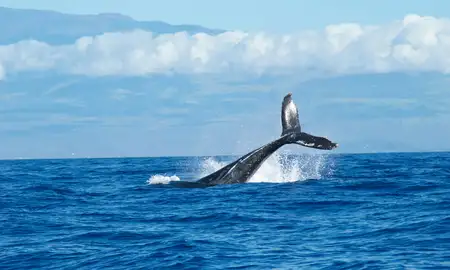
Entanglement injuries cause prolonged suffering for whales and dolphins – early intervention is crucial
Co-authored by Professor Karen Stockin and Professor Antonio Fernández.
Kiwi or not to be: can a citizenship test really measure what it means to be a New Zealander?
By Professor Richard Shaw
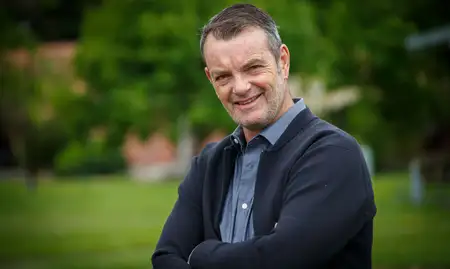
Opinion: When Parliament defines a woman, whose woman are they defining?
By Professor Mohan Dutta

Awards and appointments
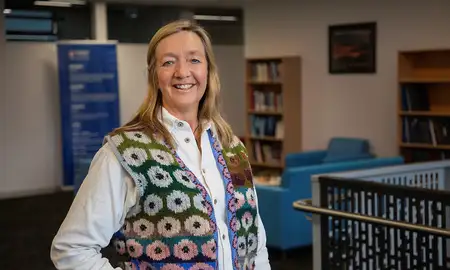
Professor Jenny Weston appointed to global expert panel shaping future veterinary education
Professor Jenny Weston has been appointed to an international expert panel established by the World Organisation for Animal Health (WOAH) to review and update its Competency and Curriculum Guidelines for Graduating Veterinarians.
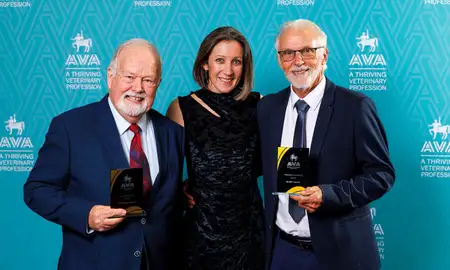
Massey academic awarded Gilruth Prize by Australian Veterinary Association
At a ceremony in Brisbane on 20 May, Professor Emeritus Roger Morris received the Gilruth Prize, the highest honour conferred by the Australian Veterinary Association, in recognition of his sixty years of contributions to the veterinary profession in Australasia and worldwide.
AI-powered builder’s tool takes top prize in Grand Ideas competition
Te Kunenga ki Pūrehuroa Massey University’s Semester One Grand Ideas competition has recognised a diverse range of ideas aimed at solving real-world challenges.

Massey University Press wins at the 2026 Ockham New Zealand Book Awards
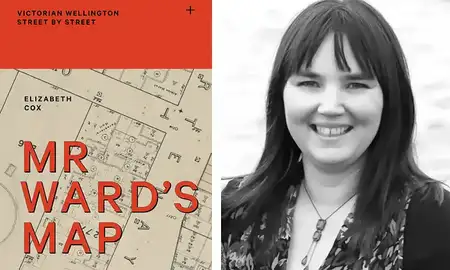
Mr Ward’s Map: Victorian Wellington street by street, written by Elizabeth Cox, published by Massey University Press and designed by Senior Lecturer, Dr Jo Bailey has won the BookHub Award for Illustrated Non-Fiction at the 2026 Ockham New Zealand Book Awards.
Massey News archive
View our collection of Massey News articles from 2003 to 2016.
Massey Impact newsletter
Subscribe to our stakeholder email newsletter and find out what's happening at Massey.
All news
Funding boost for life-saving opioid research and nurses’ mental health support
Associate Professor Taisia Huckle and Dr Amanda Eng from Massey University’s College of Health, have secured funding from the Health Research Council (HRC) of New Zealand in the latest general funding round.
Massey expert helps shape the future of the world’s oceans
Professor Bruce Glavovic has contributed to a major United Nations ocean assessment examining global climate, biodiversity and sustainability challenges.
Partnership boosts opportunities for Manawatū tamariki
Te Kunenga ki Pūrehuroa Massey University has partnered with Talent Central to support the expansion of Te Wānanga Nohinohi ki Te Kunenga Children’s University Massey in Manawatū, to help more young people access inspiring learning opportunities and imagine their futures.
New survey to spotlight mental health of rural women in Aotearoa
A groundbreaking nationwide survey led by researchers from Te Kunenga ki Pūrehuroa Massey University and Te Whare Wānaka o Aoraki Lincoln University, is calling on women living and working on farms across Aotearoa New Zealand to share their experiences of mental health and wellbeing.
For media enquiries
Communications and Public Affairs
- Phone
Jenna Nichols (Associate Director, Communications) +64 21 302 906
- Subject experts
- Location
Postal address
Communications and Public Affairs
Massey University
Private Bag 11 222
Palmerston North
4442
New Zealand