Skip to Content

  •  
    • For international students
    • For Māori students
    • For postgraduate students
    • For prospective students
  • About Massey
    • University Management
      • Council
      • Vice-Chancellor
      • Strategic plans and reports
      • more…
    • Subsidiaries and commercial ventures
      • Massey University Foundation
      • e-Centre
      • Wharerata
      • more…
    • Alumni
      • Merchandise
      • Chapters
      • Benefits
      • more…
    • News
      • Latest releases
      • Research news
      • University news
      • more…
    • Events and key dates
      • Albany campus
      • Manawatu campus
      • Wellington campus
      • more…
    • Jobs
      • Academic
      • General
      • Staff benefits
      • more…
    • History of the University
      • 1879 - 1926
      • 1927 - 1945
      • 1946 - 1963
      • more…
    • Calendar
      • 2012
      • 2011
      • 2010
      • 2009
      • 2008
      • more…
  • Teaching & Learning
    • Courses
      • Programme search
      • Paper search
      • Course advice
      • more…
    • Distance Learning (Extramural)
      • Contact courses
      • How distance learning works
      • Getting in contact
      • more…
    • Colleges
      • Business
      • Creative Arts
      • Education
      • Humanities and Social Sciences
      • Sciences
    • Departments
      • Aviation
      • Psychology
      • Food, Nutrition and Human Health
      • more…
    • Academic teaching timetables
      • 2012
      • 2011
      • Timetable planner
      • Building codes
      • more…
    • Examinations
      • Exam timetable
      • Exam venues
      • Key exam dates
      • more…
    • Online learning
      • Stream
    • Learning resources
      • Online Writing and Learning Link
      • MathsFirst
      • more…
    • Centres for Teaching and Learning
      • Assistant Vice Chancellor: Academic and International
  • Research
    • Expertise
      • Search for Output
      • Search for Expert
    • Library
      • Find information
      • Library services
      • Help and instruction
      • more…
    • PhD and doctoral degree administration
      • Doctoral handbook
      • Administration forms
      • Citations
      • more…
    • Centres of research
      • Allan Wilson Centre
      • Riddet Institute
      • NZ Centre for SME Research
      • more…
    • Research Ethics
      • Human Ethics
      • Animal Ethics
      • Genetic Technology
    • Conferences
      • 19th NZASIA
      • 14th International Mobility Conference
      • more…
    • Journals
      • Marketing Bulletin
      • International Journal on Smart Sensing and Intelligent Systems
      • more…
    • Research projects
      • Automated Recognition of Pollen
      • Tools for Delivering Scenario-based E-learning
      • more…
    • Support for researchers
      • Funding opportunities
      • Guide to managing research
      • Resources
      • more…
    • Commercialisation
      • Success stories
      • Technology Transfer Vouchers
      • Contact us
      • more…
  • Admission
    • Enrolment
      • Online enrolment
      • Enrolment forms
      • International students
      • more…
    • Entry requirements
      • New Zealand citizens
      • Australian students
      • International students
      • more…
    • Fees
      • Calculator
      • Programme fees
      • International student fees
      • more…
    • Scholarships and awards
      • Undergraduate
      • Postgraduate
      • High Achiever
      • more…
    • Accommodation
      • Applications
      • Albany
      • Manawatu
      • Wellington
  • Student life
    • About our campuses
      • Albany
      • Manawatu
      • Wellington
      • Distance
      • Maps and transport
    • Accommodation
      • Albany
      • Manawatu
      • Wellington
    • Starting University
      • Orientation
      • Getting started
      • Student Advisers
      • more...
    • Services and resources
      • Recreation centres
      • Study skills support
      • Careers
      • Library
      • more...
    • Student Exchange Programme
      • Locations
      • Costs
      • Application process
      • more...
    • Graduation
      • Applying to graduate
      • Auckland
      • Palmerston North
      • Wellington
      • more...
    • Academic records
      • Apply for an academic record
    • Student associations and societies
      • EXMSS
      • MUSA
      • ASA
      • MAWSA
      • more...
    • Sport
      • Academy of Sport
      • Recreation and training
      • more...
  • Contact Massey
    • Contact Centre
    • Albany campus
    • Manawatu campus
    • Wellington campus
    • Student liaison advisers
    • International enquiries
    • Media enquiries
    • Alumni
    • Human Resources
    • Justice of the Peace
    • Accidents and emergencies
    • Staff directory
Go to the Massey University home page

Massey University

Log out | Library | Alumni Portal | Staffroom | MyMassey
Home > Learning > Departments > Institute of Molecular Biosciences > IMBS BioMedical Research

Institute of Molecular Biosciences

  • About Us
  • Undergraduate Studies
  • Postgraduate Studies
  • Research
  • Staff
  • Contact us
  • Centre for Structural Biology
  • IMBS BioMedical Research
  • Dame Ella Campbell Herbarium

IMBS BioMedical Research


Molecular Neurogenetics Group


Chromatin Research Group


Molecular Cancer Biology Group


Laboratory of Protein Display


Host-Pathogen Interaction Group Translation Medical Research Group Protein Structure and Function Research Laboratory

Molecular Neurogenetics Group - Dr Helen Fitzsimons

The Molecular Basis of Long-term Memory

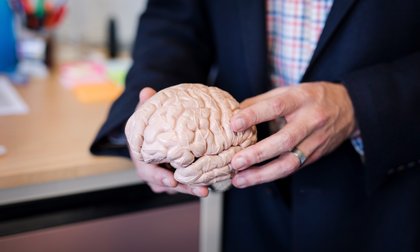
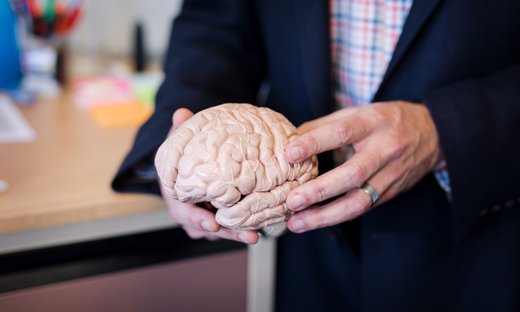
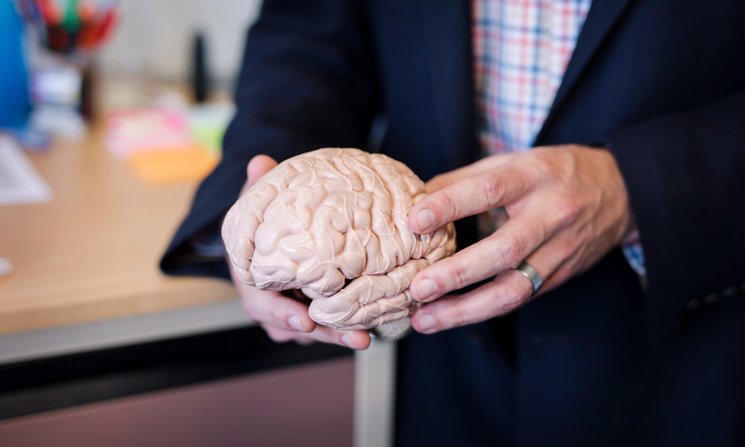
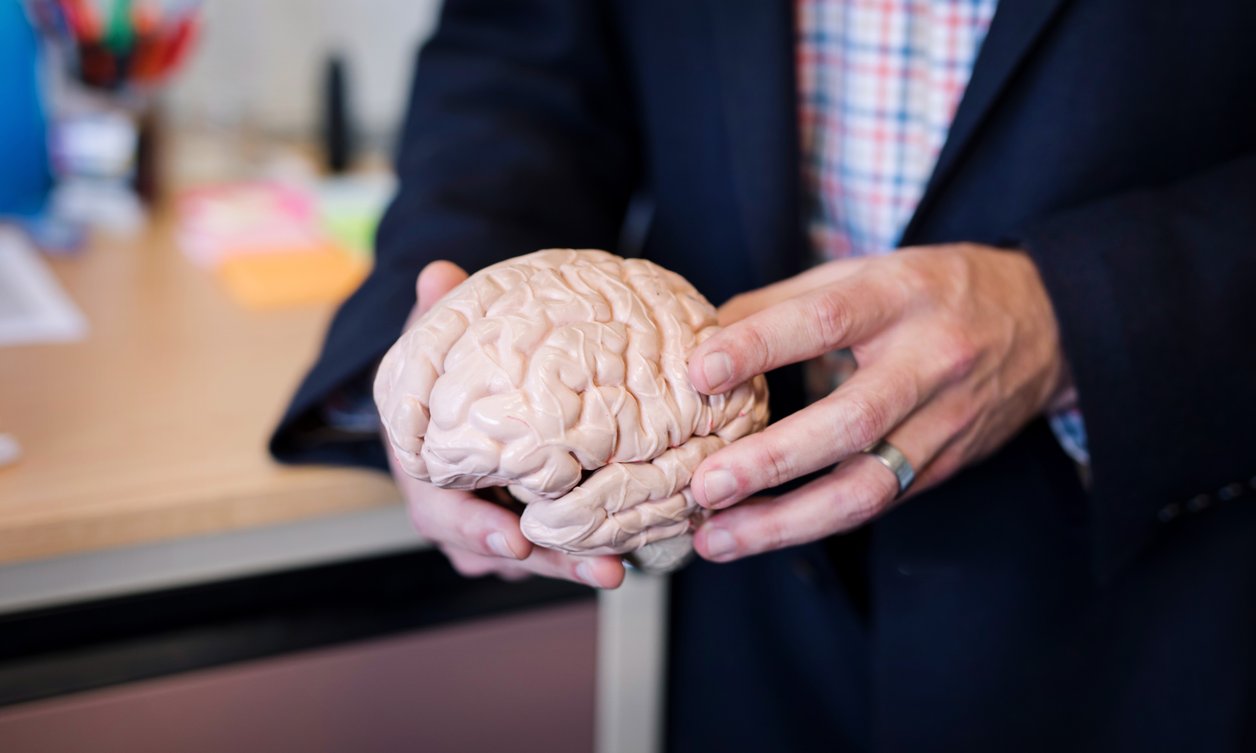
My primary research interest is in the mechanisms by which memories are formed and faithfully stored and how these processes are disrupted in cognitive disorders, with the ultimate goal of providing new opportunities for treating cognitive disorders such as Alzheimer’s disease and dementia.

Memories are stored in synapses – the connections between neurons. On storing a memory, specific combinations of neurons grow stronger connections. The molecular mechanisms that underpin the formation and maintenance of memory, sometimes over a whole life-time, are not well understood.  The focus of my research is to address this knowledge gap via genetic analysis of long-term memory processes using the fruit fly Drosophila. Drosophila is an ideal model organism for studying memory due to its tractability to genetic analysis and the reproducible memory assays that have been developed.

My current research is focused on the role of chromatin structure in long-term memory formation. Chromatin is a mixture of DNA and proteins in the nucleus of a cell and DNA is compacted into chromatin via wrapping around proteins called histones. In addition to helping compact DNA, histones have an important function in controlling which genes are active in cells. An emerging body of evidence indicates that the structure of chromatin influences whether memories can be formed or not. I am investigating this by studying the role that enzymes that regulate chromatin structure play in long-term memory formation.

Email: H.L.Fitzsimons@massey.ac.nz

Dr Helen Fitzsimons Profile Page

Back to Top

Chromatin Research Group - Dr Tracy Hale

Altered Chromatin Dynamics in Tumour Progression

DNA is highly folded and packaged into the nucleus of cells by proteins, forming a structure known as chromatin.  Several types of proteins are involved in compacting chromatin, such as histones and the Heterochromatin Protein 1 (HP1) family. These proteins regulate access to the DNA and therefore the genetic information it contains.  As such, they are essential for normal cellular function and their disruption can lead to incorrect expression of the genetic information, increasing the likelihood that a cell becomes cancerous. We have observed that cancer cells have altered expression of HP1 and disrupted histone H1 function.  For example, with regards to HP1, its loss appears to be common as it occurs in a wide variety of cancers, including those of the prostate, thyroid and breast. We hope to identify the clinical importance of this protein in disease by studying how the level of this protein is controlled in cells, how this affects chromatin compaction and tumour progression, and the effect that therapeutic drugs known to target chromatin have on HP1. We envision our work will increase the understanding of the cellular changes that lead to cancer and assist in the identification of new and improved cancer therapies.

This research is funded by the Cancer Society of NZ, Palmerston North Medical Research Foundation and is a collaborative project that also involves scientists at the Australian National University and clinicians at the Baylor College of Medicine in Texas.

Email: T.K.Hale@massey.ac.nz

Dr Tracy Hale's Research Page

Back to Top

Molecular Cancer Biology Group - Dr Jeong Park

(1) Novel GAS41 complex in regulating p53 tumor suppressor :

A particular cancer gene called GAS41 has shown to be amplified in brain cancer without knowing its role in cancer development. We are currently testing if GAS41 can promote normal cells to escape cellular ageing barrier which normally play a role as a preventive mechanism from cancerous cell transformation. Examination of ageing mechanism in normal cells under the artificial simulation of GAS41 gene activity will answer why GAS41gene is frequently amplified in early brain tumour development. Moreover, given the analyses of GAS41-driven gene expression profiles, our studies will provide molecular targets and mechanisms to sensitize cancer cells by current chemo- and radio-therapies. 

(2) DNA damage response without DNA damage:

The TIP60 complex contains two major enzyme subunits among 16 subunit members. TIP60 is a histone acetyltransferase that plays diverse roles in DNA damage responses, DNA double strand break repair, and transcriptional regulation. The other enzyme, p400, is an ATPase that serves as an ATP-dependent chromatin remodelling enzyme. Our recent studies demonstrate that certain protein motif of the p400 can induce DNA damage response in the absence of DNA damage. We are currently investigating how this motif can be used to sensitise cancer cells by UV radiation.

(3) In vitro epigenetic studies in cell free system:

The compaction of eukaryotic DNA within chromatin structures allows intricate multilevel regulatory response to diverse environmental signals through various chromatin modifications. The epigenetic regulatory mechanisms of gene expression include post-translational modifications of histone tails and specific incorporation of histone variants into the genome. We are interested in recapitulating p21 gene regulation with purified recombinant proteins and artificially assembled chromatin templates in test tubes.

Email: J.Park@massey.ac.nz

Dr Jeong Park's Research Page

Back to Top

Laboratory of Protein Display - Dr Jasna Rakonjac

Jasna Rakonjac’s laboratory is spying on bacteria, gathering intelligence on how they harm or benefit humans. Discovery of a weak spot in the armour of disease-causing bacteria will help develop new antibiotics. In contrast, discovery of tiny appendages that probiotic bacteria use to stick to other cells will help us understand how these bacteria benefit human health.

Email: J.Rakonjac@massey.ac.nz

Dr Jasna Rakonjac's Research Page

Back to Top

Host-Pathogen Interaction Group - Dr Jan Schmid

My lab investigates the interactions between pathogens (Candida albicans, Escherichia coli, Pseudomonas aeruginosa) and the host. We are interested in molecular mechanisms underlying these interactions and how they have evolved.

We utilize a combination of sophisticated molecular biology laboratory experimentation, animal models, molecular epidemiology, population genetics, comparative genomics and bioinformatics.

Dating back to the development of the computer-assisted Ca3 typing technology for C. albicans (Schmid et al., 1990), we have a long-standing interest in the development and innovative application of molecular typing technologies for epidemiological research. A recent example is our highly cost-effective typing system for Pseudomonas aeruginosa (Schmid et al., 2008).

Some key findings from our work:

Identification of a Candida albicans general-purpose genotype (GPG) that is more prevalent (Schmid et al., 1999) and also more virulent (Schmid et al, 2011) than other genotypes in human patients.

Part of the differences between GPG strains and other strains occur in so-called hypermutable contingency genes. We identified sixty different alleles of one of these genes, ALS7 (Zhang et al., 2003).

The discovery of ethic tropism in Helicobacter pylori (Campbell et al., 1997)

The discovery that transmission of Pseudomonas aeruginosa is comparatively rare among New Zealand cystic fibrosis patients (Schmid et al., 2008).

Email: J.Schmid@massey.ac.nz

Dr Jan Schmid's Research Page

Back to Top

Translation Medical Research Group - Assoc Prof Kathryn Stowell

My research focuses on New Zealand families with malignant hyperthermia (MH), an autosomal dominant genetic disorder that manifests as a misregulation of skeletal muscle calcium homeostasis.  MH is triggered by commonly used inhalational anaesthetics, so is a disorder mainly associated with general anaesthesia. Individuals with MH suffer a rapid rise in body temperature and muscle rigidity, and if not treated immediately go into cardiac arrest.  The current diagnosis for MH is a very invasive biopsy where a large piece of muscle is removed for physiological tests.  The main protein associated with MH is the ryanodine receptor calcium channel. My research goal thus far has been to genetically characterise families with MH so that DNA-based testing can be used for diagnosis in place of the biopsy test.  More recently, my research has turned to functional characterisation of mutations that cause MH as homologous mutations in the heart form of the ryanodine receptor are associated with sudden cardiac death and also a number of cardiac arrhythmias.  Analysis of functional consequences of mutations in the skeletal muscle gene will therefore inform on the molecular mechanism associated with MH as well as cardiac disease.

Email: K.M.Stowell@massey.ac.nz

Assoc Prof Kathryn Stowell's Research Page

Back to Top

Protein Structure and Function Research Laboratory - Dr Andrew Sutherland-Smith

Our lab is interested in understanding how proteins carry out their biological roles, particularly in establishing the relationship between a protein’s function and its three dimensional structure. “Form follows function” is a central concept of biology and structural biology research takes this idea to the molecular level.  Knowledge of a protein’s structure allows us to understand, often at the level of single atoms, how complex proteins molecules work. Discovering what proteins do and how they work is the fundamental research theme of our lab. We are especially interested in proteins associated with genetic diseases particularly proteins involved in human skeletal disorders and muscular dystrophy. For example an inherited genetic mutation that alters just a single amino acid out of ~2500 in a protein called filamin disrupts normal events during human development to such an extent that a skeletal malformation disease results. Our aim is to understand why such a seemingly small alteration in the protein has such dramatic consequences. Investigating the effects of mutations on protein function and structure informs us on not only disease mechanisms but also helps us understand the normal functions of proteins as well.

Email: A.J.Sutherland-Smith@massey.ac.nz

Dr Andrew Sutherland-Smith's Profile Page

Back to Top

Page authorised by Head of Institute, Institute of Molecular BioSciences
Last updated on Friday 30 September 2011

  • Contact us Mon - Fri 8:30am to 4:55pm
  • 0800 MASSEY | (+64 6 350 5701)
  • TXT 5222
  • contact@massey.ac.nz
  • Web chat
  • Online form
Massey University
Private Bag 11 222
Palmerston North
4442
New Zealand
Site map | A-Z index | Disclaimer | Privacy
Copyright © 1998 - 2012 Massey University. All rights reserved
Increase font size||Decrease font size
| print icon |