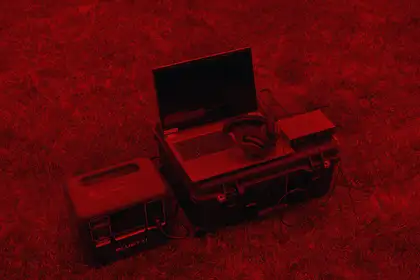
Ngā Manu Huna is a live artwork broadcast that invites people to experience te tioro a te kiwi, the cry of the kiwi, aligning with both the maramataka (Māori lunar calendar), and Te Papa Atawhai Department of Conservation’s (DOC) annual kiwi call monitoring period.
The live broadcasts, via the Nga Manu Huna website are scheduled for two evenings during the upcoming autumn new moons - Sunday 17 May and Monday 15 June - for the two hours after nightfall from 6pm-8pm.
Ms Gillam says broadcasts will be sent from an unidentified location with the largest known population of North Island Brown Kiwi at a time when they are most vocal, calling across distances to communicate, hold territory and seek one another.
“Our overarching hope is that the listening experience moves people and gives them a sense of the kiwi as autonomous living beings, independent of our experience of them.”
More than two years of preparation has gone into the project beginning with extensive conversations with the late kaumātua Hugh Rihari, of the local hāpu Ngāti Torehina ki Matakā. Mr Rihari played a pivotal role in ensuring that land developments in the area committed to environmental protection and supported the growing kiwi population in the rohe.
The couple have also tested their portable satellite broadcast equipment extensively to ensure they will have minimal impact on the kiwi while sharing the experience of their calling.
“We use a highly sensitive microphone that picks up their calls from a distance. It is unlikely that any of the kiwi sense our presence.”
Since the 1990’s, DOC staff and volunteers have been counting kiwi calls at 24 listening stations across Te Tai Tokerau Northland every year during the dark phase of the moon (the new moon) and using the data to track population trends and ecosystem health.
Nga Manu Huna, which means ‘The Hidden Birds’, builds on the couple’s long history of working with live audio technologies and animals.
Although Mr Hansen whakapapa’s to Maniapoto, he was raised in a small Māori community in the area and describes kiwi as being part of everyday life and a cherished taonga.
“Many recognise the kiwi as our national symbol, yet very few have ever heard the manu calling in the wild. I hope that Nga Manu Huna will reconnect people with a living sound that has become rare in everyday life, particularly in our towns and cities.”
Mr Hansen and Ms Gillam plan to return to the broadcast location annually, creating an audio artwork which visitors can return to each year.
How to listen
- The live broadcast can be accessed at www.ngamanuhuna.nz. Listeners are encouraged to subscribe to receive notification of postponement if there is adverse weather.
- The broadcasts are scheduled for two evenings during the autumn new moons - Sunday 17 May and Monday 15 June.
- The audio will only be hosted LIVE for two hours after nightfall on these nights: 6pm–8pm NZST (UTC+12).
- Listeners outside Aotearoa New Zealand can use this time zone converter.
- Audio is live and unedited. There may be long quiet periods, wind noise, sounds of other animals and bursts of kiwi calls.
About the artists
Jenny Gillam and Eugene Hansen are New Zealand artists, writers, and curators whose collaborative practice spans sound art, moving image, installation, publishing, and artist-run initiatives. Their work combines field recording, research-led methodologies, and community partnership to explore ecological knowledge and Indigenous relationships to place.
Ms Gillam is a Senior Lecturer in the Whiti o Rehua School of Art, and Mr Hansen is a Senior Lecturer in Te Ranga Tai Kura (Māori Creative Practice Unit) at Massey University’s Toi Rauwhārangi College of Creative Arts in Wellington.
In 2019, the couple produced the award-winning photobook Te Manu Huna a Tāne which documented a wānanga or class for three generations of women from Ngāti Torehina ki Matakā to learn the customary practice of pelting North Island Brown Kiwi so their feathers can be used for weaving.
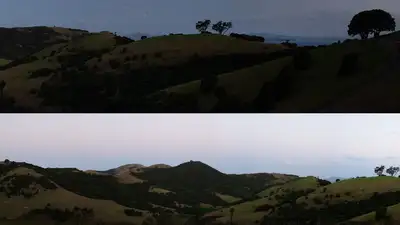
Near the Nga Manu Huna broadcasting site, image by Jenny Gillam.