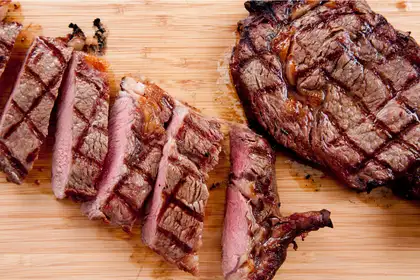
It may seem costly, but beef is packed with high quality essential nutrients that can be used in metabolic functions in the body.
Nutrition scientist Dr Sylvia Chungchunlam has compared the cost and nutritional composition of a range of animal and plant foods, with the results recently published in academic journal Current Developments in Nutrition.
The study has found eating beef as part of a balanced mixed diet is the most affordable way to get sufficient essential nutrients – useful news in an environment of ever-increasing food prices.
Dr Chungchunlam is a research officer at the Riddet Institute, a New Zealand Centre of Research Excellence, hosted by Te Kunenga ki Pūrehuroa Massey University. Her research focuses on determining the bioavailability of nutrients – that is, the amount of essential protein, vitamins and minerals that are absorbed and used by the human body.
She says many foods contain a good array of protein and essential amino acids, vitamins and minerals, but not 100 per cent of these nutrients can be taken up by the body, and the proportion differs by food source.
“Beef is nutrient dense and a good source of protein, iron, zinc, other minerals, B vitamins and other vitamins that are highly bioavailable,” Dr Chungchunlam says. “For example, 100 grams of beef meat a day will provide 55 per cent of an adult’s daily protein needs, 82 per cent of vitamin B-12, 62 per cent of selenium, and 33 per cent of zinc.”

Dr Sylvia Chungchunlam has found that including beef in a mixed food diet is an affordable way to get the nutrients that everyone needs to be healthy.
Dr Chungchunlam says beef might appear expensive when you compare prices in the supermarket but is worth the price because it provides so many nutrients that the body needs, and these essential nutrients are also more readily bioavailable.
The study aimed to find the lowest-cost nutritionally adequate diet for different population groups.
Dr Chungchunlam says the inclusion of beef in even small amounts can have big benefits for family health. From a small portion of 70g for children aged 4-8 years, to a bigger amount of 170g for male adolescents aged 14-18 years, she says including beef as part of a balanced mixed diet is the most efficient and effective way to provide adequate nutrition for the lowest cost.
The study used cost data from the United States. Food costs are similar between the United States and New Zealand, so the study’s conclusion that animal food products can help hold down the cost of the total diet by providing more bioavailable essential nutrients than plant foods, is applicable in both countries.
She says similar animal products, like venison, can also provide these essential nutrients, but are generally more costly. The study featured the cheapest cut of beef meat, blade steak, in the comparisons.
The research was funded by the United States National Cattlemen’s Beef Association, which had no influence on study design, analysis or interpretation of results.
Related news
Pioneering fungi research collaborators celebrate 20 years
More than 20 years ago Professor Yihuai Gao began working with Te Kunenga ki Pūrehuroa Massey University to extract the reishi mushroom’s active ingredients for immunity and cardiovascular health.

Massey scientists awarded $3.4 million food project funding
Kenya will benefit from Massey’s mathematical minds, thanks to a successful Gates Foundation bid announced by the Riddet Institute.
Kiwi food scientist wins prestigious international award
Riddet Institute Director Distinguished Professor Harjinder Singh's contribution to the field of food science is being acknowledged with a Lifetime Achievement Award.

New research sheds light on Chinese consumers’ milk habits
Recent results from a New Zealand government-funded Riddet Institute research programme, NZ Milks Mean More, has provided valuable insights into dairy consumption in China.