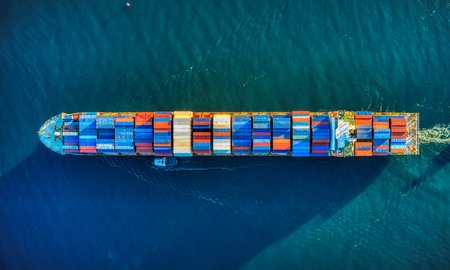
The latest Supply Chain Risks Analytics Network (SCRAN) mid-year risk outlook has some interesting insight's into New Zealand's supply chains.
Massey University’s Supply Chain Risks Analytics Network (SCRAN) recently released its mid-year risk outlook for Aotearoa New Zealand’s supply chains.
The report shows key factors influencing supply chains around the world include global economic challenges, including rising inflation and interest rates, cybersecurity threats and labour shortages.
Two risks that have become more prevalent in the aftermath of the COVID-19 pandemic are the higher levels of staff burnout and changes to workplace culture.
Senior Lecturer in Supply Chain Management Dr Carel Bezuidenhout says for many businesses the pandemic led to efficiency drives and cost-cutting measures that have had a detrimental impact on staff culture within a company.
“The cumulative effect of these factors can create a challenging work environment characterised by high levels of stress, demotivation and job insecurity. Staff members are likely to feel overwhelmed and overworked, and collaboration and teamwork may suffer as employees become focused on meeting targets and deadlines at the expense of their wellbeing,” he explains.
“The recession has slowed down recruitment, with fewer opportunities to move jobs. Staff therefore tend to stay in their current jobs even if they find the conditions challenging. This is causing changes in staff culture and morale. While it may not be an issue for every business in New Zealand, chances are high that every supply chain in the country will be exposed to some businesses along the chain that have to deal with these issues.”

Dr Carel Bezuidenhout.
The report also identified a number of risks that, while less likely, would have a significant impact on the economy if they did eventuate.
One such risk is a domestic outbreak of Food and Mouth Disease. Should a domestic outbreak occur, there could be devastating consequences for New Zealand’s livestock industry, impacting both the country’s food supply and economy.
Extreme weather events, which seem to be happening more frequently, are also noted as risks. Climate change-driven events such as flooding, power outages and crop damage have an impact on national and international supply chains. El Niño conditions in the Pacific are likely to result in drier conditions for New Zealand, and higher overall sea surface temperatures are currently being witnessed across large parts of the world’s oceans. This could result in significant weather events in other parts of the world which expose New Zealand’s supply chains.
The report noted if an incident were to occur at the Zaporizhzhia Nuclear Power Plant in Ukraine, it could disrupt the production of food and other essential goods in Europe. This would then lead to several indirect consequences on New Zealand’s supply chains.
The final high-impact risk identified is damage to large-scale international telecommunication infrastructure. A significant attack could disrupt the flow of critical information and goods, causing disruptions to businesses and economies around the globe.
More than 140 businesses across the country took part in the survey and 80 per cent of participants predict smoother operations in the coming year.
Dr Bezuidenhout says this is positive to hear from the sector.
The full report is available here.
Related news
Universities collaborate to offer Mentoring Programme
Massey and Lincoln Universities are collaborating to offer the Primary Industries Supply Chain Skills Mentoring Programme, thanks to funding from the Ministry for Primary Industries (MPI).

New Zealand’s supply chains are expected to be less disrupted but more expensive in 2023
Aotearoa New Zealand’s supply chains have been hit by numerous disruptions over the past couple of years due to the pandemic. Now experts and industry practitioners warn that while disruptions may be on the decline, 2023 will see significant costs and price escalations.
Experts warn New Zealand may face another wave of supply chain disruptions this summer
Aotearoa New Zealand’s supply chains have been hit by countless disruptions over the last few years, including panic buying, reductions in available labour and delays in manufacturing and shipping, due to the COVID-19 pandemic. Now experts and industry practitioners warn that more disruptions may be expected over the coming months.