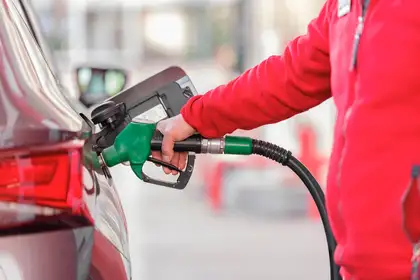
The average price per litre for 91 petrol is now more than $3 dollars with some predictions it could surge as high as $4 dollars if the conflict in the Middle East continues.
Head of the School of Psychology Professor Kirsty Ross says fuel is psychologically different from many other expenses because it is highly visible and largely unavoidable.
“When something that is central to daily life suddenly feels uncertain or expensive, it tends to trigger anxiety and frustration much more quickly than less visible costs.”
When essential resources appear threatened or unstable, the brain can shift into what Dr Ross describes as a ‘threat response’, a survival mechanism designed to help people stay safe and regain a sense of control.
“Attention narrows and people start focusing intensely on the resource that feels at risk. That’s why we often see behaviours like stockpiling, constantly checking prices or reacting more emotionally to news. It’s not irrational, it’s the mind trying to regain control in a situation that feels unpredictable.”

Professor Kirsty Ross is the Head of the School of Psychology.
Adjusting budgets in response to rising fuel costs
Director of the Financial Education and Research Centre at Massey University Dr Pushpa Wood says for households already balancing tight finances, even modest increases can have significant consequences.
Fuel typically accounts for around 4 per cent of the average New Zealand household budget, but during sharp fuel price spikes that share can rise to about 5 per cent, and up to 8 per cent for more exposed households, such as rural families, lower income families or those dependent on long commutes.
During periods of economic uncertainty, Dr Wood says one common mistake households make is trying to maintain their usual spending patterns.
“Sometimes people are not realistic when adjusting their budgets, they continue with their existing spending patterns and borrow to meet day-to-day costs.”
Instead, she recommends taking a step back and reassessing spending, including how often people drive and whether alternatives such as carpooling, public transport or working from home might be possible.

Dr Pushpa Wood is the Director of the Financial Education and Research Centre.
Dr Kirsty Ross adds that from a psychological perspective, focusing on what people can control can help reduce anxiety.
“People can’t control global energy markets, but they can control things like budgeting, planning transport options and gradually adjusting spending.”
Constant exposure to negative economic news can also amplify stress, creating a kind of chronic background stress, leaving people mentally exhausted by constant financial decisions.
“Psychologists often suggest setting boundaries around news consumption. Checking updates at certain times rather than constantly throughout the day will help people stay informed without becoming overwhelmed. Avoiding late night news and social media scrolling will also help people sleep better.”
Dr Ross says with uncertainty spreading, it pays to remember that panic is not the only response and planning may be the most valuable resource households have.
“It is also important for people to remember there is strength in collaboration and cooperation, and it’s helpful when communities work together to meet challenges.”
Related news
Opinion: Good sleep health to support good mental health
By Professor Leigh Signal and Dr Dee Muller

"Keeping the dread at bay": Students combat cost of living crisis with creativity
As politicians gear up for the Budget Launch at the end of May, Wellington students will be launching their own socially connected creative works to combat a growing sense of hopelessness among young people.

Five budgeting tips for retirement planning
Retirement can be expensive. It's hard enough to calculate how much money you'll need to live, let alone how to plan for hidden and unexpected costs.