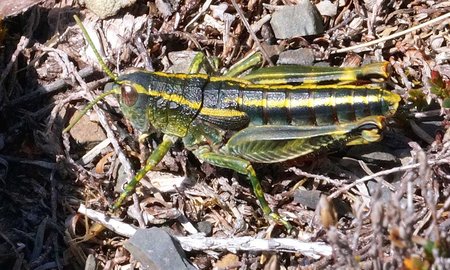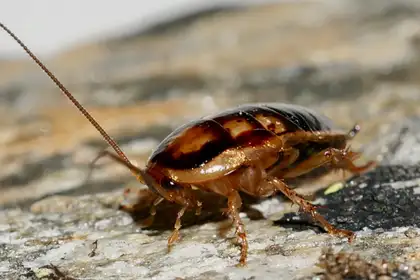
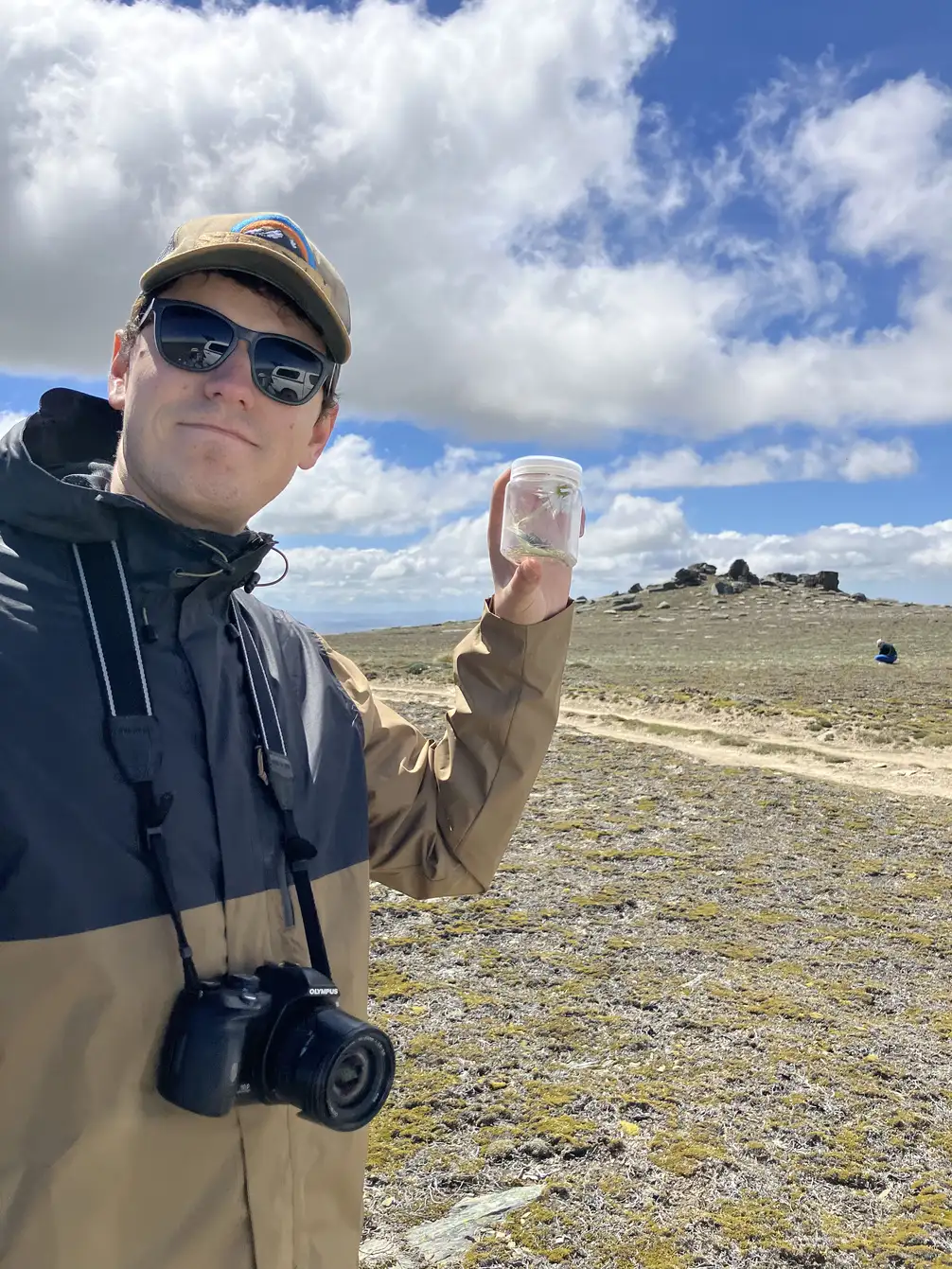
The research team within Te Kunenga ki Pūrehuroa Massey University’s School of Food Technology and Natural Sciences has been conducting fieldwork during the short alpine summer, allowing them to collect insects that share this remarkable survival strategy.
Professor of Evolutionary Biology Mary Morgan-Richards says the New Zealand alpine insects differ from their northern hemisphere counterparts.
“Many insects in the northern hemisphere survive winter by producing natural chemicals that stop their blood from freezing. Our alpine insects, however, allow their bodies to freeze at temperatures just below zero. Hours, days or even weeks later, once the environment warms, they simply thaw and walk away.”
Professor Morgan-Richards adds that this ability is even more intriguing given it appears across multiple, unrelated insect groups in New Zealand.
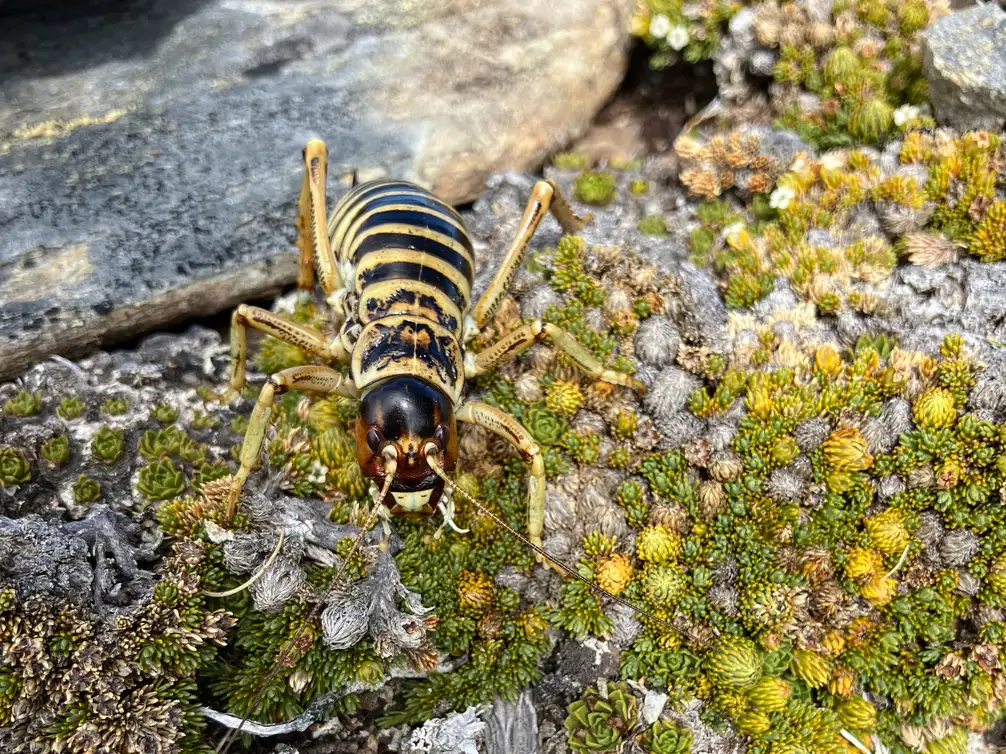
“We see freeze tolerance in alpine grasshoppers, several alpine wētā species, alpine moths and alpine cockroaches. These insects aren’t close relatives, yet they’ve all evolved the same extraordinary way to survive the cold.”
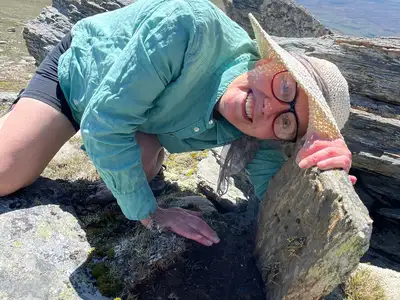
Professor Mary Morgan-Richards collecting alpine insects.
The team, part of Massey’s Ecology, Conservation and Zoology Group, believes the key to this shared ability may lie deep inside the insects in their gut microbiome. Freezing begins in the gut, home to a diverse community of microbes. Early evidence suggests that the types of microbes an insect hosts may influence the temperature at which it freezes and its chances of surviving the process. This raises the possibility that freeze tolerance is not just a genetic adaptation, but also a microbial one, potentially shared across species through diet and habitat.
“Eating the right microbes could change how and when insects freeze. That might help explain why so many unrelated alpine insects in New Zealand have evolved the same survival strategy,” Professor Morgan-Richards says.
The ongoing project is designed to test this idea directly. By examining the gut microbiomes of multiple alpine species and comparing their freezing responses, the team hopes to uncover whether microbial sharing has contributed to the widespread emergence of freeze tolerance.
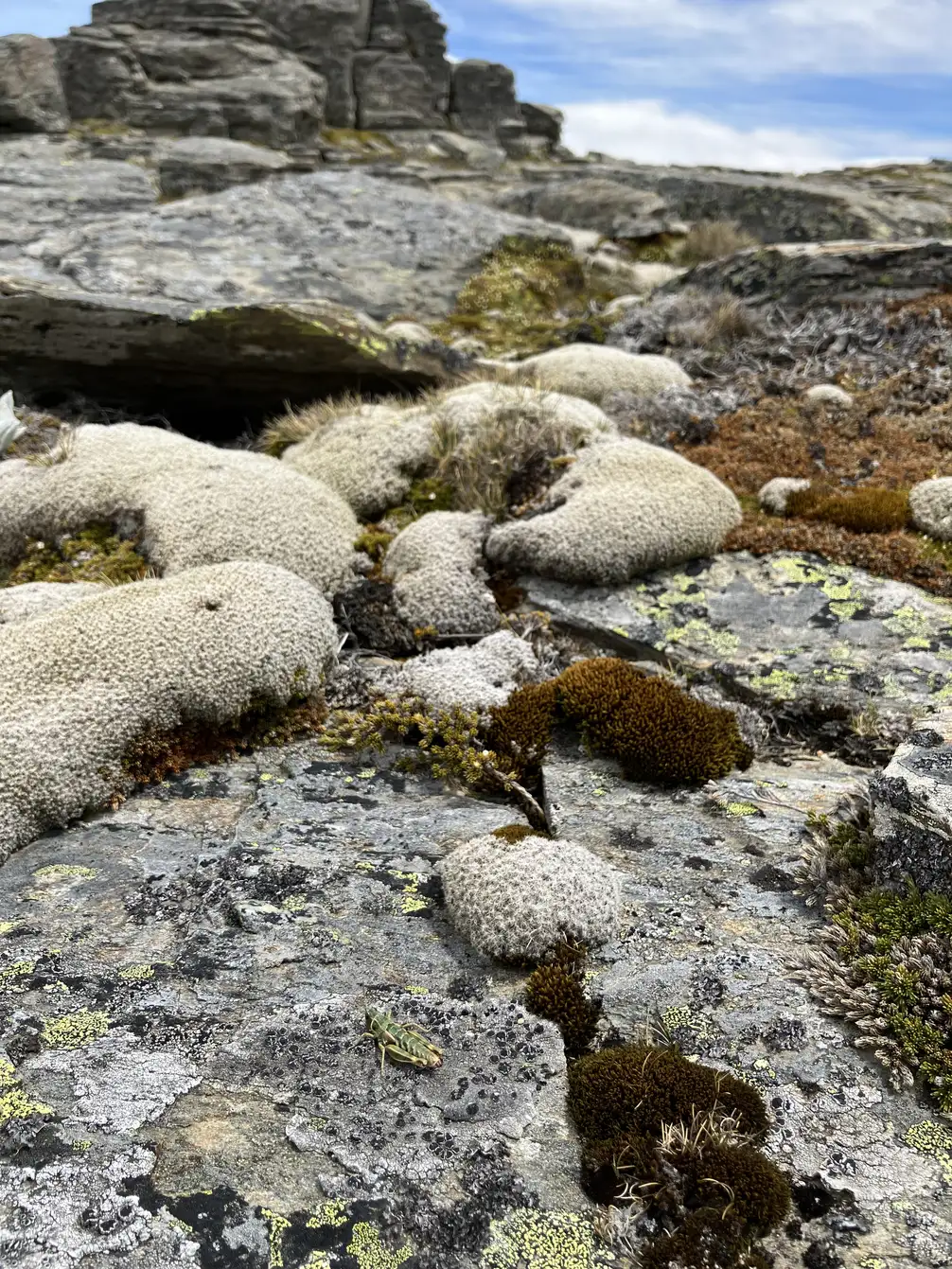
Among the study species, one insect in particular is attracting attention beyond the scientific world: the Otago alpine cockroach. The tiny, glossy, five-spotted insect, found among scree slopes and alpine grasslands, has been nominated for the 2026 Bug of the Year competition.
Professor Morgan-Richards says her team would love to see the freeze-tolerant cockroach take the title.
“It’s a species that embodies the uniqueness of New Zealand’s alpine ecosystems and the incredible adaptations that have evolved here.”
As public voting ends Monday 16 February, the research team hopes the spotlight on the Otago alpine cockroach will highlight both the fragile alpine environments these insects call home and the hidden microbial partnerships that may help them survive.
Keen to learn how organisms interact with their environment? Discover the Bachelor of Science in Ecology and Conservation.
Related news
New species and genera of wētā discovered in the south
Three new species of wētā have been discovered in the southern regions of Aotearoa New Zealand, belonging to two new genera.
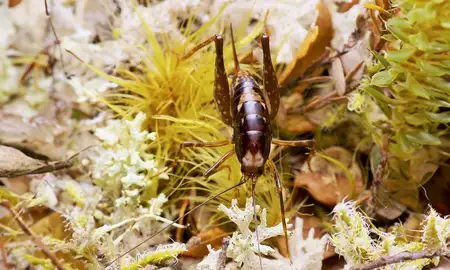
Researchers discover six new species of New Zealand wētā
Six new species and three new subspecies of alpine cave wētā from the southern regions of the South Island have been identified.
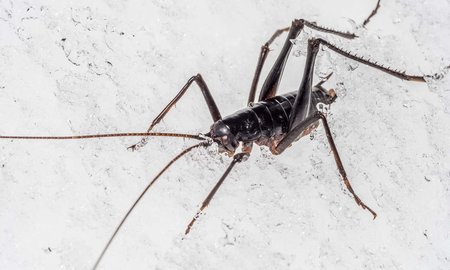
Grasshoppers show how alpine fauna will be lost as global temperatures rise
New research indicates anthropogenic climate change will result in a quarter of Aotearoa New Zealand's alpine grasshopper species becoming extinct.