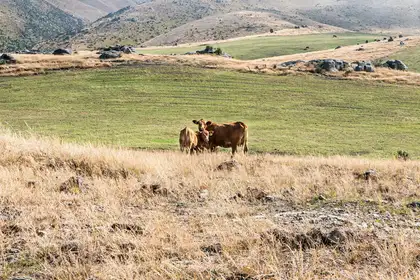
Pastoral farms are currently under growing pressure as winters warm and summers become longer and drier.
A research team led by PhD candidate Eru Tait-Jamieson, Ngāti Tukorehe, from Te Kunenga ki Pūrehuroa Massey University’s School of Agriculture and Environment analysed daily climate records from 1940 to 2024. The analysis confirms a clear warming trend across the North Island, with important implications for how pastures grow and are managed.
Average annual temperatures have risen by 1.1°C in Palmerston North and 1.7°C in Hamilton, the two key historical pasture research centres, while the number of frost days in Hamilton has effectively halved since the mid-20th century. For rotational grazing systems, that shift is already reshaping annual pasture growth.
“These changes align closely with what many farmers are observing on the ground. The climate our grazing systems were built around no longer exists,” Mr Tait-Jamieson says.
The study found pastures are now reaching key temperature thresholds for growth at least two weeks earlier between July and October compared with historical norms. As a result, perennial ryegrass is recovering faster through winter, opening the door to shorter grazing rotations and improved pasture recovery during the cooler months.
“Managed well, the warmer winter growing conditions could strengthen root systems and sward resilience before summer stress begins, turning winter into a critical window for building pasture resilience rather than simply holding on until spring arrives,” Mr Tait-Jamieson explains.
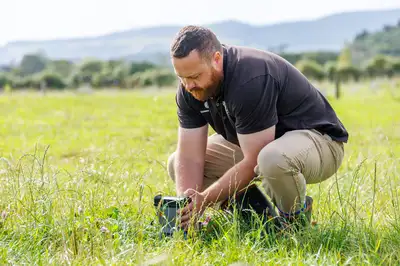
PhD candidate Eru Tait-Jamieson.
While warmer winters may offer new opportunities, the research shows the other end of the season is becoming increasingly challenging. Although rainfall patterns have not shifted dramatically, rising temperatures are increasing both water loss and demand, drying soils faster and for longer.
Using the Standardised Precipitation Evapotranspiration Index (SPEI), the study found summer soil moisture deficits are becoming more severe and lingering well into autumn. In the most recent decade, moisture deficits have regularly extended until mid- to late May.
Mr Tait-Jamieson says these climate pressures may also help explain a puzzling trend recorded in the dairy industry. Despite improvements in pasture genetics and increased fertiliser use, significant productivity gains have remained elusive.
“This highlights a growing tension between production pressure and climate limits. While climate change has been gradual, it’s interacting with modern farming realities including higher stocking rates and increased financial pressure, making droughts feel more intense and harder to recover from.”
He says the findings suggest pasture management strategies developed decades ago may now need to evolve to match changing seasonal patterns.
“The opportunity for increased cool-season growth is there, but only if pasture systems are resilient enough to withstand the longer, thirstier summers that follow.”
The research encourages scientists, advisors and policymakers to revisit whether existing pasture management guidelines remain fit for a changing climate.
“Farmers are constantly adapting how they manage their systems in real time out of necessity. The challenge now is making sure that the advice, tools and guidelines they’re working with are keeping pace with these shifting seasonal patterns.”
About Whenua Haumanu
This research is part of Whenua Haumanu, Aotearoa New Zealand’s most comprehensive programme examining the impacts of contemporary and regenerative pastoral farming practices, which focus on soil health, biodiversity and ecosystem outcomes. The seven-year initiative is led by Massey University, supported by the Ministry for Primary Industries, and brings together universities, Crown Research Institutes and industry partners to assess the suitability and relevance of regenerative agriculture in New Zealand.
Related news
New Whenua Haumanu research shows pasture and lactation influence milk flavour
A recent study has found that consumers can taste differences in milk depending on what cows eat, as well as the stage of lactation at which the milk is produced.
Launch of practical guide to create resilient pastures in a changing climate
A new publication has been launched that offers a comprehensive and up-to-date resource on commercially available grazing pasture species in Aotearoa New Zealand.
Winner of 2023 Ahuwhenua Trophy announced
Massey is a sponsor of the Trophy, which recognises skill and proficiency in Māori farming.