Eden's research found that accessing ADHD assessment relies on either privilege or crisis.
This struggle is an issue gaining recognition and one that Green Party Member of Parliament Chlöe Swarbrick has been outspoken about. Eden’s research was open to all genders and even though most participants were women, there was also a male and a non-binary person.
Her research and findings support the campaign, calling for improved diagnosing opportunities for adults and addressing the problem of ADHD being something that mainly impacts the young.
“The objective of the research was to explore access to assessment and support for adults in Aotearoa who suspect they have ADHD, and to examine the impact of late diagnosis on adults. The research was informed by the lived experiences of individuals diagnosed with ADHD in adulthood.”
Eden found that accessing ADHD assessment relies on either privilege or crisis.
“The adults in the study felt a sense of privilege (among those who could afford private assessment) and luck (among those who obtained the financial resources outside of what they would usually have access to)."
“None of the adults in the study were able to access a funded assessment through the public system as it was only provided in the most severe cases. The public pathway operates from an ‘ambulance at the bottom of the cliff’ approach, which is concerning given the increased risk of mental health issues/conditions and suicidality among people with ADHD. In terms of support, non-medical support was typically not offered and resulted in the participants having to find and fund their own supports.”
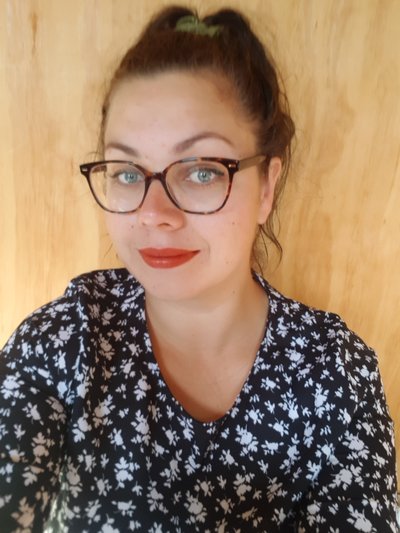
Eden Tuisaula Cruice.
Eden spoke to people who had been diagnosed in adulthood and discussed the experiences of having undiagnosed ADHD.
“These experiences exposed societal attitudes that were ableist and neuronormative. The adults in the study were ostracised for being unable to meet “normal” social expectations. Difference and failure were often reinforced by people in their social environments, which resulted in negative self-perceptions which in turn tended to develop into mental distress and mental health conditions.”
Receiving a diagnosis brought self-understanding and relief. However, it also came with grief for the difficulties they had experienced over the years, and grief for what could have been had they been diagnosed earlier in life.
Eden decided to conduct this study due to her own experience of being diagnosed with ADHD in adulthood. She is 29 and was diagnosed with ADHD two years ago.
“I struggled in the education system when I was younger, especially in high school. I started my undergrad through distance when I was 23 and gradually figured out how I learn.
“Following my own life-changing experience, I joined a Facebook group for adults with ADHD in Aotearoa and noticed the large number of people posting about their difficulties, asking how to get help, and discussions about the costs and wait times for appointments.”
At the same time, Eden noticed more and more news articles being published saying similar things about the situation for adults with ADHD in Aotearoa – how difficult it was to get assessed due to financial barriers, specialist shortages and regulations.
“I was really concerned with the amount of distress I was seeing and thought that a peer reviewed study may be able to attract some attention and inform change. I was right to be concerned when I looked at the literature, which indicated increased risk of mental health conditions and suicidality among people with ADHD.”
Eden hopes that the findings of her research will provide an insight for the health sector and other relevant agencies responsible for providing services for people with ADHD.
The participants suggested several recommendations to improve the way services are provided.
“I hope the findings of this research also contribute to the field of ADHD research which prioritises the voice of those with lived experience.
"I think it’s essential to encourage research which centres the voices and experiences of people with ADHD. I’d like to see future research exploring protective factors for people with ADHD and research which looks at unravelling neuronormativity. I’d also like to see the government continue work to improve the system for people with ADHD/suspected ADHD. Any work in this space must be done in consultation with people with ADHD to ensure that the right things are happening.”
Related news
Postgraduate student passionate about neurodiversity awareness
Jess Goodman is passionate about creating a sense of community for Massey's neurodivergent students.

Study on the experiences of neurodivergent tertiary students
The study, led by School of Psychology Lecturers Dr Sharon Crooks and Dr Kathryn McGuigan, explored the experiences of 11 neurodivergent tertiary students.

Therapeutic benefits for ADHD from textile design
Textile design student Jessica Bunnell has created a range of fabrics with possible therapeutic benefits for people affected by Attention Deficit Hyperactivity Disorder.