The study was conducted as part of Te Kunenga ki Pūrehuroa Massey University’s Whenua Haumanu programme, in collaboration with Massey’s Food Experience and Sensory Testing (Feast) Laboratory. It found that pasture type significantly influenced the milk’s flavour, texture and overall sensory experience.
While the effect of lactation stage – how far along a cow is in her milk-producing cycle – on milk flavour is well documented, the study accounted for this to ensure any differences detected were due to pasture type and management.
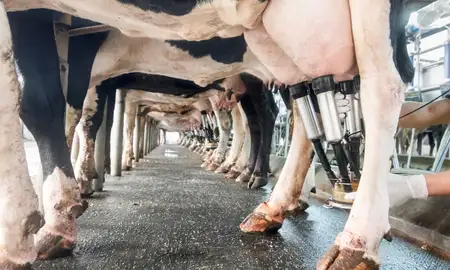
Feast researchers analysed milk from three herds of cows across three stages of lactation from November 2023 to March 2024. The herds included cows grazing on standard pasture under contemporary management (herd A), cows fed diverse pasture under regenerative management (herd B) and cows fed diverse pasture under contemporary management (herd C).
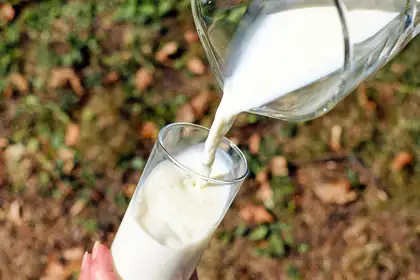
Milk samples were collected, spray dried, stored as powder and later reconstituted into liquid milk for sensory testing in July 2024.
Study participants took part in a triangle test, a common sensory evaluation method in which tasters are presented with three samples, two identical and one different, and asked to identify the odd one out. This approach tests whether consumers can reliably detect differences between products.
Researcher leader Simone Poggesi says the results showed pasture type and management had a strong influence on how milk was experienced.
“Consumers could reliably tell the difference between milks from different pastures. This demonstrates that what cows eat can have a noticeable impact on the sensory properties of milk.”
Milk from herd A was most often described as mouth-drying, with flavour notes such as “rancid”, “cardboard”, “cow” and “stale”. Milk from herd B was described as sweeter and creamier, with flavours associated with oxidised milk and milk powder. Herd C milk was characterised as more sour and salty, with a milky flavour and dry aftertaste.
The research also confirmed that the stage of lactation plays a significant role in shaping milk flavour and texture, aligning with existing knowledge in dairy science.
Milk from early lactation in November was associated with stronger flavours, higher sweetness, increased creaminess and a more intense aftertaste, often described with chalky and earthy notes. Mid-lactation milk from January was described by participants as thicker and creamier, with notable differences in sweetness and saltiness.
Late-lactation milk from March was described as thinner, less sweet, more sour and salty, with an unpleasant aftertaste. Some samples were described as having tallow-like notes and a stronger overall aroma.
While milk from November and January was found to be relatively similar within each pasture type, milk produced in March was clearly different across all pastures.
Feast Director Professor Joanne Hort says the findings demonstrate detectability rather than preference.
"While consumers could notice differences between the milks, this study doesn't tell us whether those differences would influence liking or purchasing decisions. Future research looking at consumer acceptance will help us better understand how pasture feeding and lactation stages interact to shape consumer acceptance."
The findings have potential implications for dairy farmers and processors, particularly those considering increasing the diversity of their pastures, and adopting regenerative agriculture practices and seasonal milk production.
Whenua Haumanu lead Professor Danny Donaghy says that while the research programme focuses on soil health, environmental and farm system benefits, products must also meet consumer expectations for change to succeed at scale.
“If farmers are going to adopt more diverse pastures, or regenerative practices, the products still need to meet consumer expectations. Understanding how milk flavour may change is critical to ensuring any changes in farm systems continue to deliver value from farm to market.”
About Whenua Haumanu
This research forms part of Whenua Haumanu, Aotearoa New Zealand’s most comprehensive programme examining the impacts of contemporary and regenerative pastoral farming practices, which focus on soil health, biodiversity and ecosystem outcomes. The seven-year initiative is led by Massey University, supported by the Ministry for Primary Industries, and brings together universities, Crown Research Institutes and industry partners to assess the suitability and relevance of regenerative agriculture in New Zealand.
About Feast
Based at Massey University’s Manawatū campus, the Food Experience and Sensory Testing (Feast) Laboratory is a national hub for sensory and consumer research. The facility features New Zealand’s only wall-to-wall projected immersive space for consumer testing and works closely with industry partners to understand consumer preferences and drive food innovation.
Related news
Feast opens its doors to food innovators with monthly sensory sessions
The Food Experience and Sensory Testing (Feast) Lab is launching TasteBench, a new service designed to help food innovators test and validate concepts through consumer feedback and sensory testing, reducing risk and refining products for a stronger market presence.

From research to reality: Pastoral practices in action with Whenua Haumanu programme
Dairy herd manager and part-time agricultural science student Elisa Berle is learning firsthand the values and practices she wants to implement in her future through her involvement with the Whenua Haumanu programme.
New study finds once-a-day milking affects protein proportions
Once-a-day milking can increase or lower the amounts of particular proteins in milk, according to a new study.