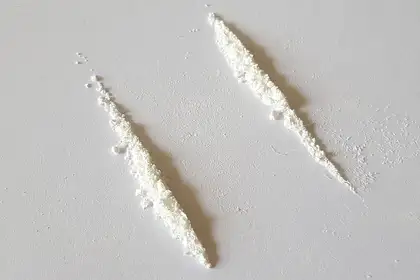
Lines of cocaine.
The findings show that the proportion of respondents reporting cocaine use increased from 11 per cent in 2017/2018 to 31 per cent in October 2026.
Professor Chris Wilkins from the NZ Drug Research Team at Te Kunenga ki Pūrehuroa Massey University’s SHORE & Whāriki Research Centre, says the findings indicate that cocaine is becoming a more established part of New Zealand’s illegal drug market.
“Cocaine use in New Zealand is becoming more common and widespread, while at the same time the price has fallen substantially once inflation is taken into account. Greater availability, increasing social acceptance and lower prices are all contributing to people using more cocaine. Cocaine use in NZ is in the ‘honeymoon’ phase where use looks glamorous and consequence-free, people are yet to experience the serious addiction and social harm that is well-known in mature cocaine markets like North America and Europe.”
The reported price of a gram of cocaine declined from $368 in 2017/18 to $247 in 2026 once inflation over the 10-year period was considered, representing a fall of 32 per cent. This reflects continued increases in cocaine availability due to new supply routes via the Pacific and a glut in coca production in Central America in recent years
While the frequency of cocaine use is increasing, most people who reported past-six-month use continued to use it monthly or less often. However, the data indicates weekly and monthly consumption is likely growing over time.
Professor Wilkins says the reasons people gave for changing their cocaine use provide further insight into the changing market.
“People who reported using more cocaine most commonly pointed to its increasing availability, greater social acceptance and declining price. For those using less or stopping, the cost of cocaine and concerns about their mental and physical health were the main reasons.”
The New Zealand Drug Trends Survey (NZDTS) findings are consistent with recent national wastewater testing, which has also identified a substantial increase in cocaine consumption. Wastewater results indicate that estimated cocaine consumption increased from 3.3 kilograms per week in the first quarter of 2024 to 6.8 kilograms per week in the second quarter of 2026, with a peak of 9.4 kilograms per week recorded in the final quarter of 2025.
Professor Wilkins says the convergence of survey and wastewater data provides an important indication of changes occurring in the country’s cocaine market and growing diversity of drug supply and use.
“The NZDTS gives us information about people’s experiences, motivations and patterns of use that cannot be obtained from wastewater testing alone. Seeing these survey findings alongside the wastewater data gives us a clearer picture of the direction the cocaine market in New Zealand is heading and looming health risks and need to respond with effective services and information.”
The changes are occurring alongside wider growth in cocaine markets internationally. Australia has also reported increasing cocaine consumption, including a 21 per cent increase in recent wastewater measurements, as well as record cocaine seizures and growing demand for treatment.
Professor Wilkins says the changing cocaine market in New Zealand highlights the importance of continuing to monitor emerging drug trends.
“New Zealand’s drug market is becoming increasingly diverse, with changes in the substances being used and the ways drugs are bought and sold. The growth of digital drug markets creates new challenges for monitoring drug trends and developing effective prevention and harm-reduction responses.”
The annual NZDTS provides a snapshot of drug market trends across New Zealand. The anonymous online survey is promoted through a targeted social media advertising campaign and attracts people with recent experience and knowledge of drug use and drug markets.
Recruitment for the 2026 survey began in late July and is ongoing. The sample has currently reached 3,456 respondents, including 1085 people who reported using cocaine in the previous six months.
The NZDTS is conducted by the NZ Drugs Research Team from Massey University’s SHORE & Whariki Research Centre. The team consists of Professor Chris Wilkins, Associate Professor Marta Rychert, Dr Robin van der Sanden, Dr Jose Romeo and Thomas Graydon-Guy.
The research bulletin is available on the NZDTS website.
Related news
NZ Drug Trends Survey: Cannabis has never been cheaper or more available
The latest findings from the New Zealand Drug Trends Survey (NZDTS) provide new insights into cannabis markets and changing cannabis use patterns among kiwis. They also highlight progress with implementing the Medicinal Cannabis Scheme.

NZ Drug Trends Survey: MDMA prices crash, ketamine goes mainstream and digital drug deals grow
The latest findings from the New Zealand Drug Trends Survey (NZDTS) provide new insights into emerging and established ‘party drug’ markets across the motu.

Drug Trends Survey shows sharp rise in methamphetamine and cocaine use
The latest findings from the New Zealand Drugs Trends Survey (NZDTS) provide new insights into the surge in methamphetamine supply and growing use of cocaine in New Zealand.