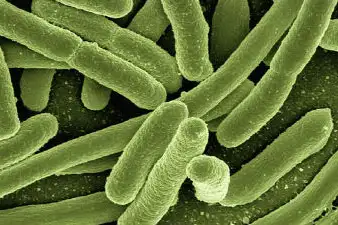
Young children and rural communities are most at risk.
Data from 2024 shows children under four experienced the highest notification rates of campylobacteriosis, cryptosporidiosis and giardiasis, while rural residents continued to record higher rates than those living in more urban areas.
The report analyses notifications of three diseases that can be spread through contaminated water, drawing on national surveillance data from the EpiSurv database.
EHINZ’s director, Professor Barry Borman, said the findings highlight the importance of maintaining good hygiene practices and reducing exposure to contaminated water sources, particularly for young children.
“Children under four continue to experience much higher notification rates than any other age group. This is likely influenced by a combination of factors, including developing immune systems, increased exposure through everyday activities, and a greater likelihood that parents will seek medical care when young children become ill.”
The report found that campylobacteriosis notification rates continued their long-term decline, reaching the lowest level recorded since monitoring began in 2001. In 2024, there were 5,943 notified cases, equivalent to 98.7 cases per 100,000 people.
“The continued reduction in campylobacteriosis notifications is encouraging and reflects a long-term downward trend seen over many years. However, campylobacteriosisremains one of New Zealand’s most commonly notified infectious diseases.”
By contrast, cryptosporidiosis notifications increased in 2024, with 1,145 cases reported nationwide. The rise was linked to a number of outbreaks in Auckland, Waikato and Canterbury, with many cases associated with recreational swimming pools.
“The increase in cryptosporidiosis highlights how quickly outbreaks can occur when parasites enter recreational water environments. Good pool management and staying out of swimming facilities when unwell are important steps in preventing transmission.”
The report also found that rural residents consistently experienced higher rates of all three diseases than people living in more urbanised areas. For campylobacteriosis, the notification rate in rural areas was more than double that recorded in major urban centres.
“People living in rural areas continued to experience higher rates of all three diseases. Understanding these patterns helps identify populations at greater risk and supports efforts to protect public health and water quality across New Zealand..”
Related news
Auckland records highest mosquito-borne disease rates as dengue cases rise
Auckland recorded mosquito-borne disease rates more than twice the national average between 2020 and 2024, according to a new report from Te Kunenga ki Pūrehuroa Massey University's Environmental Health Intelligence New Zealand (EHINZ) programme.
Global infectious disease threats highlight importance of ongoing monitoring
Rising cases of infectious diseases that are of concern across the world underscore the importance of monitoring overseas health threats that could affect Aotearoa New Zealand.