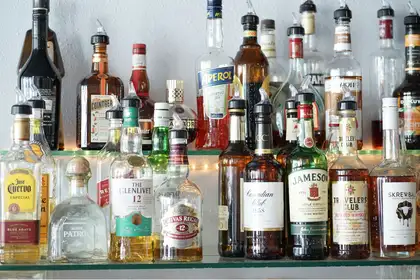
The findings highlight alcohol use as a preventable risk factor for violence against children and call for stronger national policies to reduce alcohol harm.
Funded by the Health Research Council of New Zealand, The association of parental or caregiver alcohol use with child maltreatment: A systematic review and meta-analysis of longitudinal studies was carried out by a team including Dr June Leung and Associate Professor Taisia Huckle from the SHORE & Whariki Research Centre.
The systematic review and meta-analysis included 12 cohort studies from high-income countries including Australia, Denmark, Aotearoa New Zealand, South Korea, the United Kingdom and the United States. Sample sizes ranged from 501 to over 84,000 participants.
Caregiver alcohol use is a known risk factor for child maltreatment, but previous analyses were often limited to physical abuse only. This new study aimed to quantify the broader association between parental or caregiver alcohol use and various forms of child maltreatment, and to assess whether this differs by level of alcohol use.
Lead author Dr Leung says, “Our findings show that caregivers who have alcohol-related diagnoses, including hospitalisations or service use for alcohol, had twice the likelihood of child maltreatment compared to caregivers without these diagnoses. While many factors contribute to child maltreatment, alcohol is one preventable risk factor that contributes to this complex problem.
“Child maltreatment is often a hidden problem, as many instances are never reported. There are also various types of child maltreatment, which commonly occur together and are measured differently across settings, making the problem hard to quantify,” she explains.
These findings align with earlier research led by Dr Huckle, which highlighted the role of alcohol in contributing to child maltreatment in New Zealand.
Dr Huckle says, “We know the more alcohol outlets there are in a community, the more people drink and the more harm they experience. Some international studies have even found relationships between alcohol outlet density and child maltreatment.
“The research evidence clearly shows that reducing the availability of alcohol, effective regulation of alcohol marketing and increasing the price of alcohol reduces consumption.”
While the study couldn’t confirm a direct cause-and-effect relationship between caregiver drinking and child maltreatment, the associations it uncovered are strong enough to call for action.
The research also draws attention to a persistent gap in child protection policies. Dr Leung says many national strategies to address family violence and child abuse still fail to address the role of alcohol use.
“Policies to address family violence mostly focus on support for parents and caregivers, which is very important, but we also need preventative policies tackling the availability, marketing and pricing of alcohol to reduce risk at a population level. Better alcohol policy can help to protect children from harm.”

Dr June Leung
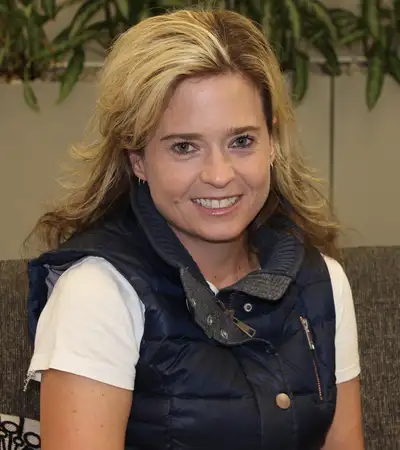
Associate Professor Taisia Huckle
Related news
Workshop aims to help vulnerable tamariki with feeding and swallowing difficulties
The university recently hosted a workshop that focused on upskilling speech-language therapists who work with infants and children experiencing feeding and swallowing difficulties.
Massey Professor leads push for plastics treaty after United Nations stalemate
Te Kunenga ki Pūrehuroa Massey University Professor Trisia Farrelly ONZM is leading global efforts to tackle the plastics crisis despite setbacks at recent negotiations.
Bachelor of Health Science gains international accreditation
The Health Promotion and Mental Health and Addiction majors have become the first programmes in Aotearoa New Zealand to gain International Union of Health Promotion and Education (IUHPE) accreditation.