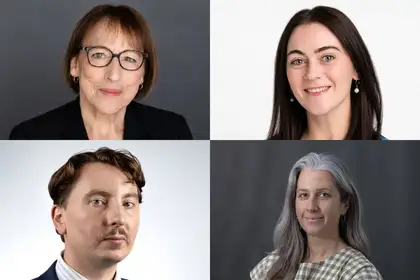
Clockwise from top left: Diana Goodman, Chelsea McLaughlin, Kate Green and André Chumko
As Massey marks 60 years of journalism education, we speak to four graduates who reflect on the stories that stayed with them, the skills they use every day and what keeps them coming back for more.
Witnessing history
Journalism offered the chance to be where history was happening for one of our first graduates, Diana Goodman.
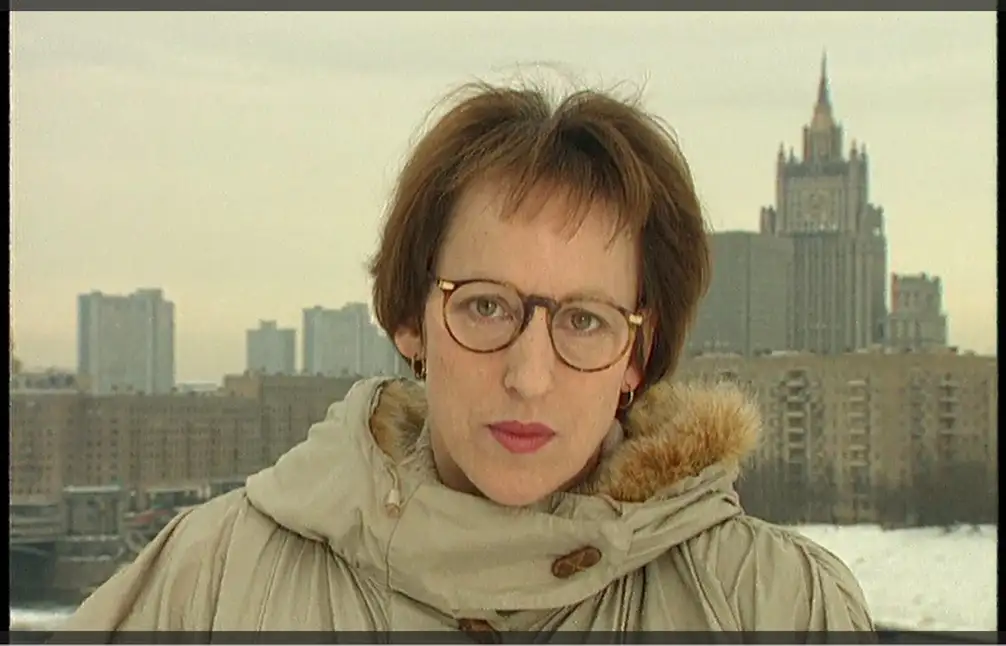
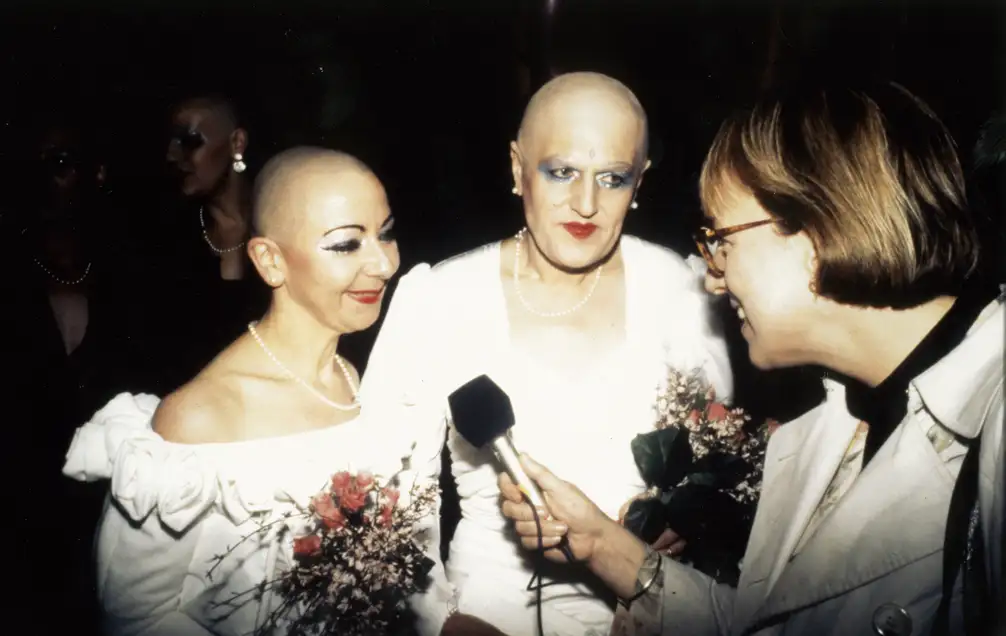
After graduating from the Wellington Polytechnic School of Journalism in 1970, as it was known before becoming part of Massey, Ms Goodman went on to become the BBC’s first female foreign correspondent, reporting on major political and social events around the world.
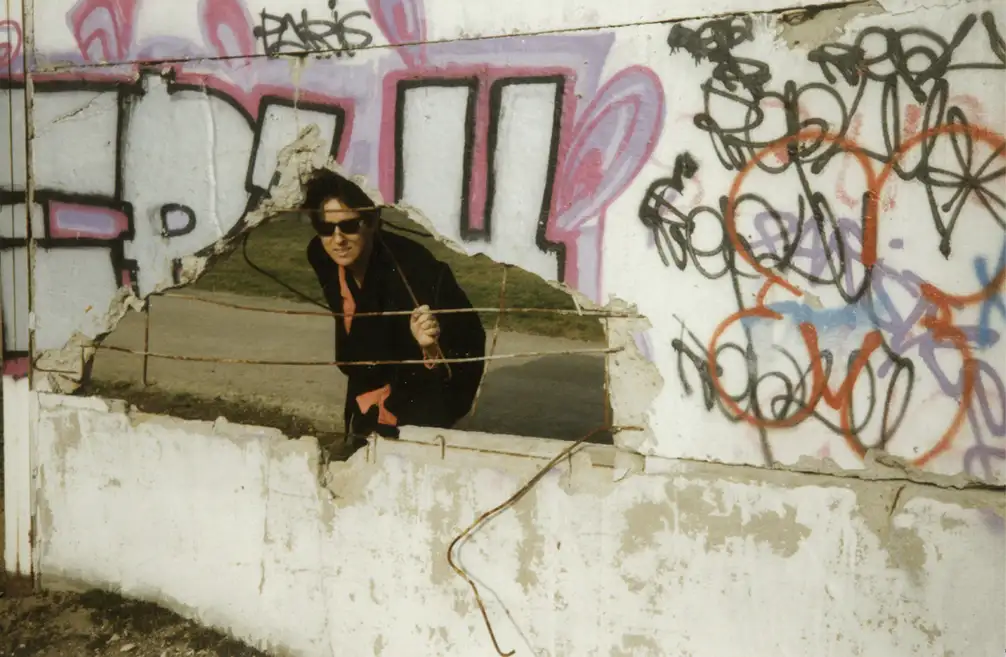
The work could be dangerous. She reported from Beirut during the civil war and from Timișoara during the Romanian revolution. She also witnessed events such as the German reunification and the end of the Soviet Union.
“I loved the challenge, the speed and being a witness to history,” she says.
But some of the stories that affected her most were not about political leaders or historic turning points. One of the strongest audience responses she received was to a report about disabled children in a poorly-staffed Russian orphanage, where conditions were bleak.
As a mother of a three-year-old at the time, Ms Goodman found the story particularly harrowing. It also showed how journalism could draw attention to suffering that might otherwise remain unseen.
Holding power to account was a central motivation throughout her career. She still values a quote from Times correspondent Louis Heren, who wrote, “When a politician tells you something in confidence, always ask yourself ‘Why is this lying bastard lying to me?’”
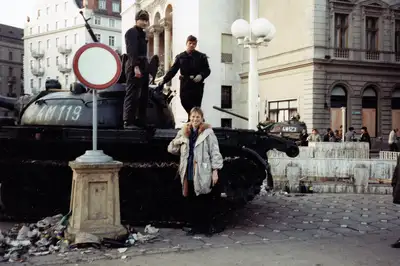
Diana Goodman pictured with relieved soldiers in Timisoara Romania when the fighting was over 1989
Stories come in many forms
Journalism does not always involve conflict or political upheaval. Alumna Chelsea McLaughlin says the appeal lies partly in the unpredictability of the job and the opportunity to keep learning.
Ms McLaughlin works as a Senior Entertainment Reporter for the digital news site of Australia’s Nine Entertainment. She covers celebrity news and major television programmes including Married at First Sight and The Block. Her work ranges from writing entertainment news and television recaps to attending red-carpet events, film screenings and interviewing reality television casts.
One assignment stands out above the rest. In 2021, she interviewed Dolly Parton while the singer was promoting the musical 9 to 5. Ms Parton was available for just two Australian interviews and Ms McLaughlin was offered one of them. The catch was the time.
“She was only available at 3am. There are maybe three people I would agree to that insane time for and she was one of them,” she says.
The 20-minute conversation had no restrictions on questions, which Ms McLaughlin says is unusual. And Ms Parton lived up to expectations.
“I am happy to confirm she was amazing. Everything you could hope her to be. I'll never forget her ‘hey girl!’ as she hopped on the line!”
For Ms McLaughlin, the appeal of journalism goes beyond the big-name interviews. Each day brings something different, and a story can send her deep into an unfamiliar subject. For example, she recently found herself researching a brain condition affecting musician Billy Joel.
She is also realistic about the role entertainment journalism plays.
“We are not changing the world or challenging authority as much as my news colleagues are, but I personally need escapism and I do think it's worthy to be part of that for others. Plus, it's fun! My job is deeply enjoyable and I don't think it gets much better than that,” she adds.
Reporting from the ground
Kate Green is the health correspondent for Radio New Zealand, covering everything from patients’ experiences and pressure on hospitals to health policy and funding.
Much of her work involves talking to doctors, nurses, unions, scientists and patients to find out what is happening on the ground. She also spends time digging through reports, data and Official Information Act requests.
Her current areas of focus include pressure on emergency departments, staffing and access to primary care. She is also interested in how artificial intelligence is being used in healthcare and the security of patient data.
“I love the round. I'm constantly moving between individual people's experiences and the state of the system as a whole, which often makes for a diverse and interesting workday despite the focus on one broader topic,” she says.
One of the most significant assignments of her career was spending a year reporting on the recovery from Cyclone Gabrielle. The work took her out of her comfort zone, but turned out to be one of the most enjoyable years of her life.
Regional reporting meant relying on local contacts and word of mouth to find sources and people willing to share their experiences. It also required her to be self-motivated and comfortable making calls in the field on her own. She flew in small planes and waded through floodwaters, growing as a reporter and as a person along the way.
When she returned to Wellington, she realised how much she loved the energy of a newsroom.
Ms Green says she also remembers an early assignment at Massey that helped her discover the satisfaction of finding and developing a story. Students were sent to randomly chosen Wellington suburbs on a Friday and told to find something worth reporting on. She drew Tawa.
She went to a local dog park and spoke to people about a dangerous dog, then visited a hairdresser to find a person who had reportedly been bitten.
“It didn't set the world on fire, but the feeling of discovering something and pulling a bunch of information into a coherent narrative was hugely satisfying, and something I still feel every day.”
She also values the immediacy of live radio, describing the rush of being on air and taking listeners into a scene they cannot see for themselves.
Above all, she is conscious of the responsibility that comes with reporting other people’s experiences.
“The trust our contacts put in us to tell their stories is immense. I try to never forget how important that is and do them all justice.”
André Chumko is an Arts Editor at The Post and Sunday Star-Times. Storytelling sits at the heart of his work.
Based in Wellington, Mr Chumko interviews, writes, podcasts, commissions and edits stories about arts and culture. He also mentors journalists, helps shape editorial strategy and hosts events. His work has included interviewing talented and well-known creative people, as well as hosting the fortnightly culture podcast Articulate.
He sees journalism as a way to hold power to account, but he is equally drawn to the opportunity to hear from people and share their stories.
“Being able to experience, hear and share stories for a living is a real privilege,” he says.
Learning by doing
All four graduates have worked in different areas of journalism, but practical experience has been an important part of their professional development.
Ms Goodman’s journalism course covered the foundations of the craft, from reporting and interviewing to law and newspaper production. Students learnt shorthand and touch typing on manual typewriters, with their typing speed tested under timed conditions. It was a very different technical world from the one journalists work in today, but the fundamentals mattered.
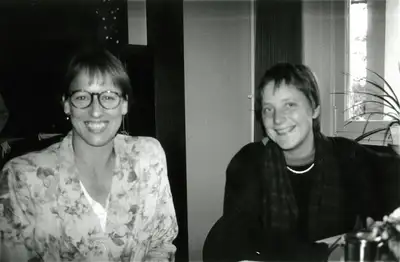
Diana Goodman pictured with future German Chancellor Angela Merkel Berlin 1990
She believes the one-year course gave students the basics before they learnt through practice. Her advice to aspiring journalists remains grounded in that same principle: be curious, volunteer for assignments, listen carefully and keep going when reporting gets difficult.
Ms McLaughlin credits Massey’s emphasis on getting out of the classroom and into newsrooms with helping her develop the skills and relationships that led to her first job at The Dominion Post.
“The best thing about Massey was its focus on us actually getting out there and doing the work. Obviously, the theory is important but I definitely learned the most while out and about on my beat and in newsrooms,” she says.
She says those experiences helped her build relationships with the people who would later employ her.
Mr Chumko similarly values the practical focus of Massey’s Postgraduate Diploma in Journalism, particularly the opportunity to work on his own stories and undertake newsroom internships. He believes the combination of theory, critical thinking and workplace experience prepared him for the profession.
“You only learn by doing,” he says.
A changing profession, enduring skills
The tools of journalism have changed dramatically over the past 60 years. Ms Goodman remembers a time when foreign correspondents had to book phone lines, use telex when calls failed and find ways to send recordings of television footage back to the newsroom. There was no internet, and early mobile phones had limited range. Editing audio could involve razor blades and chinagraph pencils.
Today’s journalists work across digital platforms and formats, often with audiences expecting news around the clock.
However, the technology does not replace the qualities that make a journalist effective. Curiosity, accuracy, persistence and the ability to listen remain essential, as does the willingness to question assumptions, seek out different perspectives and keep asking questions when an answer is not immediately forthcoming.
Ms Goodman says she worries about today’s growing political polarisation and distrust of mainstream media. In that environment, careful reporting and a commitment to evidence matter.
Join a prestigious group of leading journalists that have studied at Massey University – New Zealand’s longest-running, internationally accredited journalism qualification. Find out more here.
Related news
The accidental comment that set one graduate on a path to journalism
From a childhood ambition to reporting on the issues shaping local communities, Te Kunenga ki Pūrehuroa graduate Kira Carrington is building her career in journalism after landing her first newsroom job straight out of her Bachelor of Communication.
60 years of journalism: Then, now and what comes next
For journalism students at Te Kunenga ki Pūrehuroa Massey University today, a university ‘newsroom’ isn’t just a class with desks and computers. It’s a constant rhythm of deadlines across a range of platforms, including live social media updates, audio packages, video reports and web-first storytelling, often produced side by side.
Journalism and screen arts students create current affairs show
Journalism students at Te Kunenga ki Pūrehuroa Massey University have created a live, multi-camera news magazine and current events livestream show, which aired on YouTube on Thursday 16 October.
