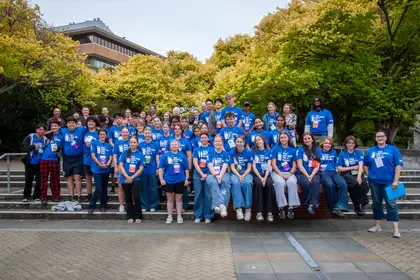
Hosted by Te Kunenga ki Pūrehuroa Massey University in partnership with FoodHQ, the summit gave Year 12 and 13 students a unique opportunity to explore food technology beyond the classroom. Through a mix of practical workshops, industry engagement and future-focused thinking, students gained insight into the diverse pathways shaping the food sector.
For many secondary students, exposure to food technology is limited, and the industry is often misunderstood as a narrow or purely culinary field. The summit aimed to challenge that perception, highlighting food technoogy as a multidisplinary career that blends science, nutrition, engineering, business and creativity, and plays a critical role in addressing global challenges.
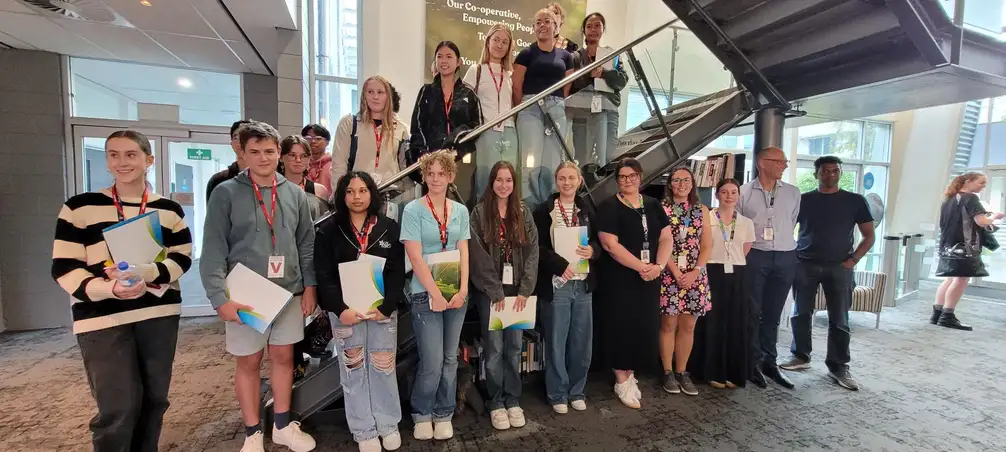
The summit opened with a mihi whakatau, welcoming students, industry partners and special guests to campus, including Palmerston North Mayor Grant Smith.
Thinking about the future
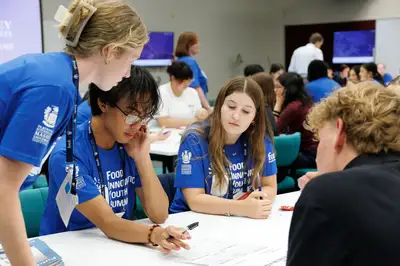
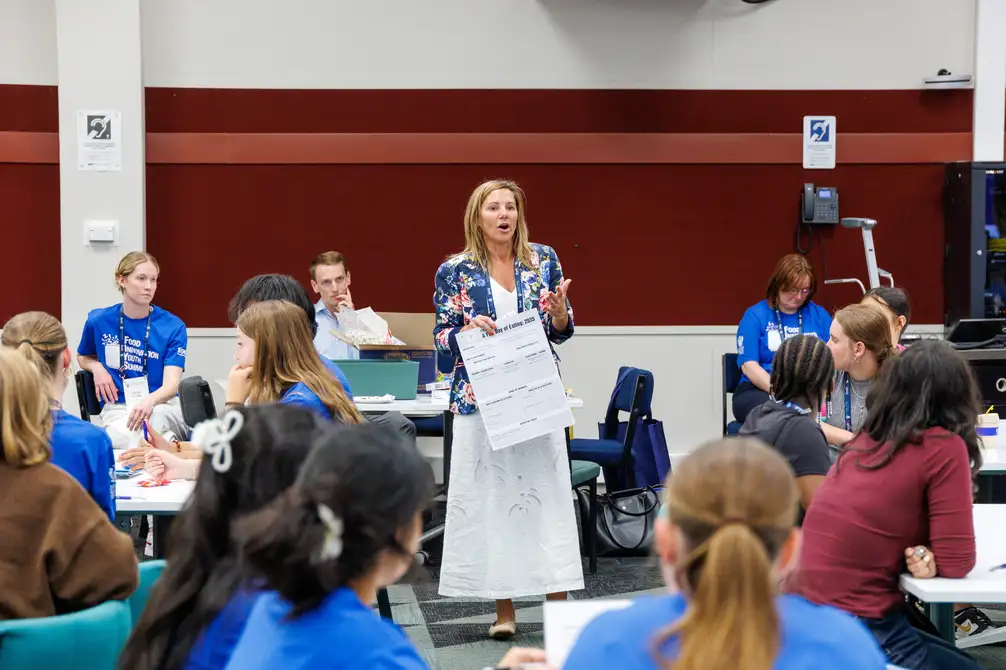
Students quickly turned their attention to the big picture, exploring links between climate change, food systems and global challenges. In one workshop, they imagined what food might look like in 2035 under different future scenarios, including a world where food waste was illegal.
This was followed by a fast-paced simulation exercise in which students were assigned a country and a population to feed, while balancing finances, fuel and carbon limits. The activity highlighted the complexity of global food systems, sparking negotiation, strategy and collaboration.
Learning by doing
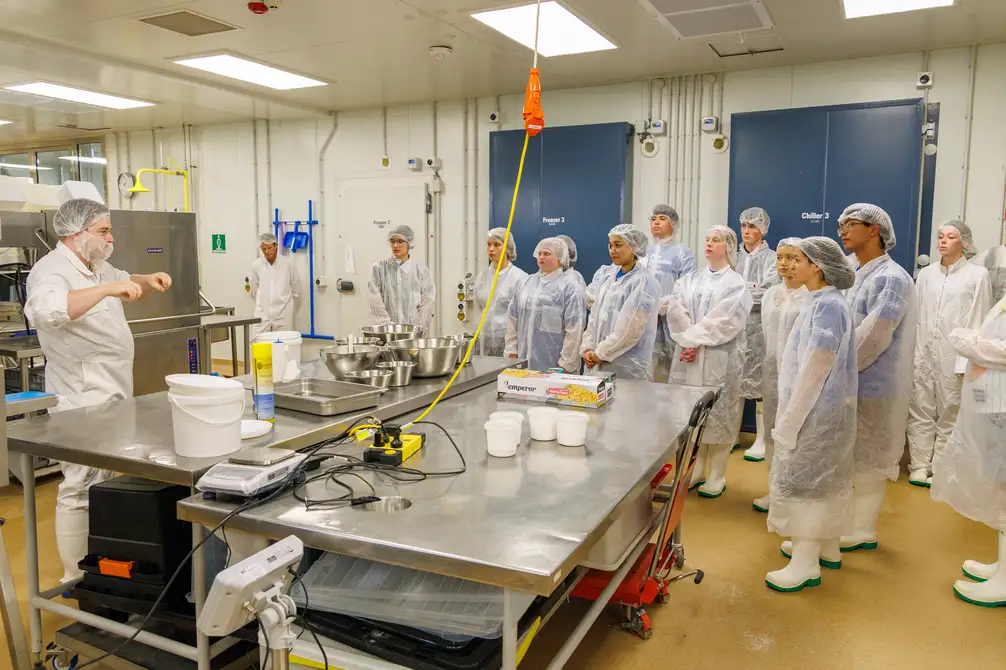
Hands-on learning was at the heart of the summit. Students rotated through practical workshops reflecting real-world food technology pathways.
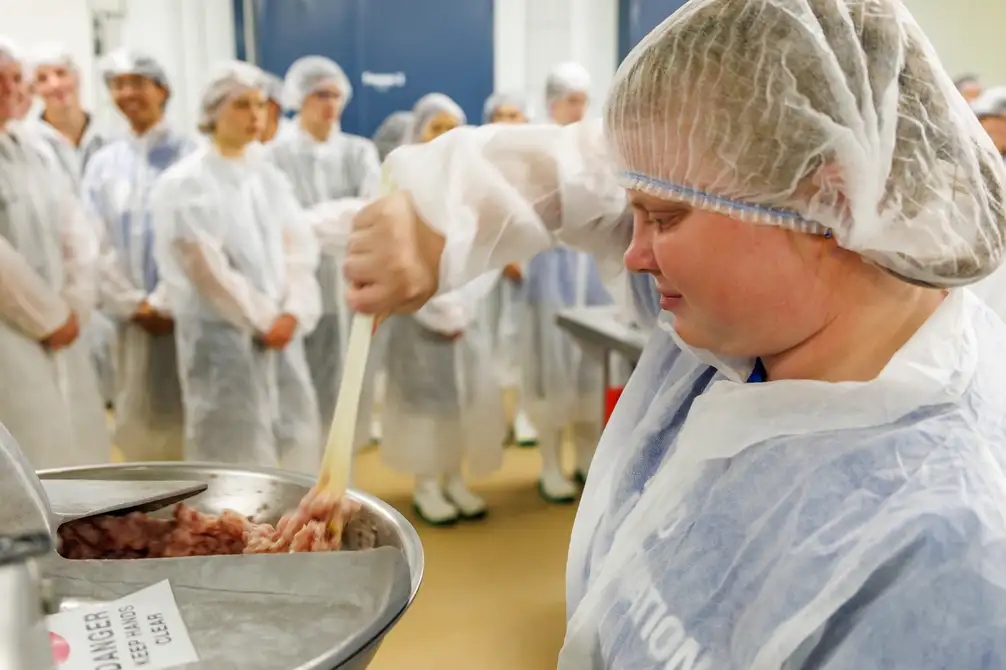
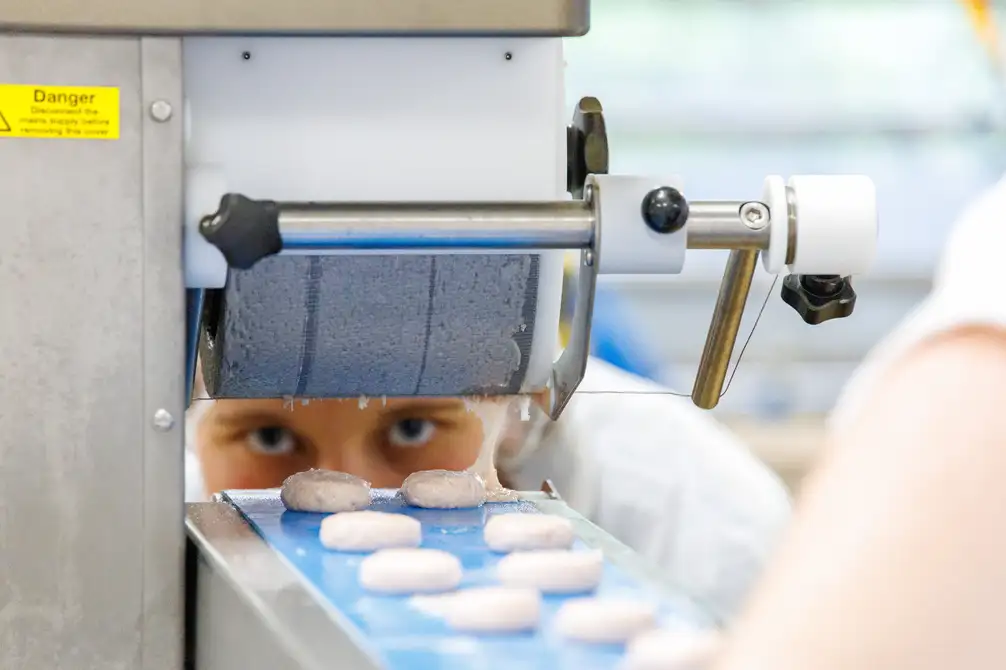
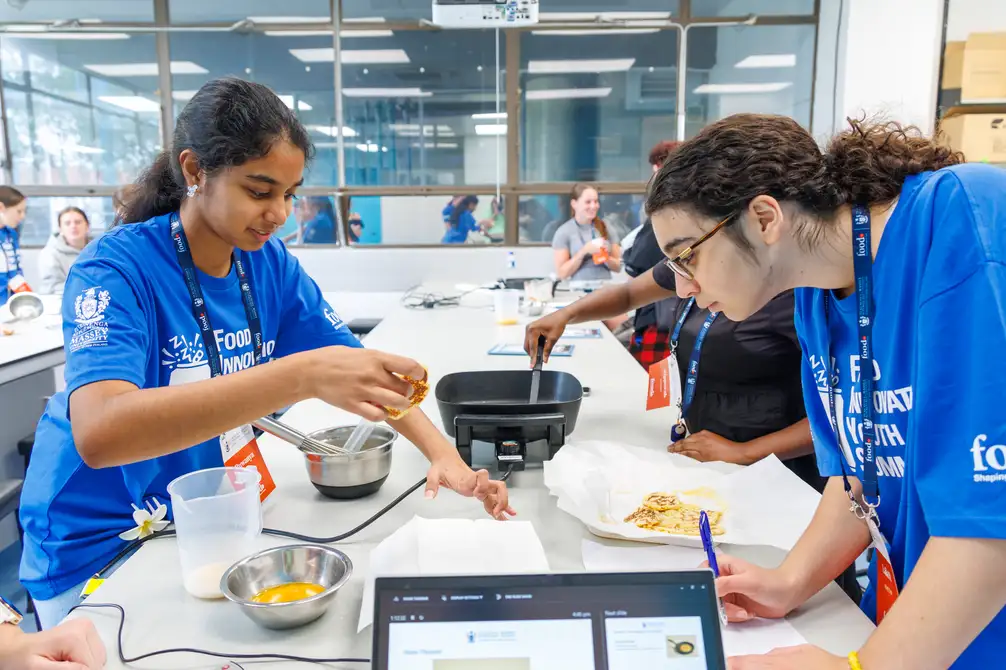
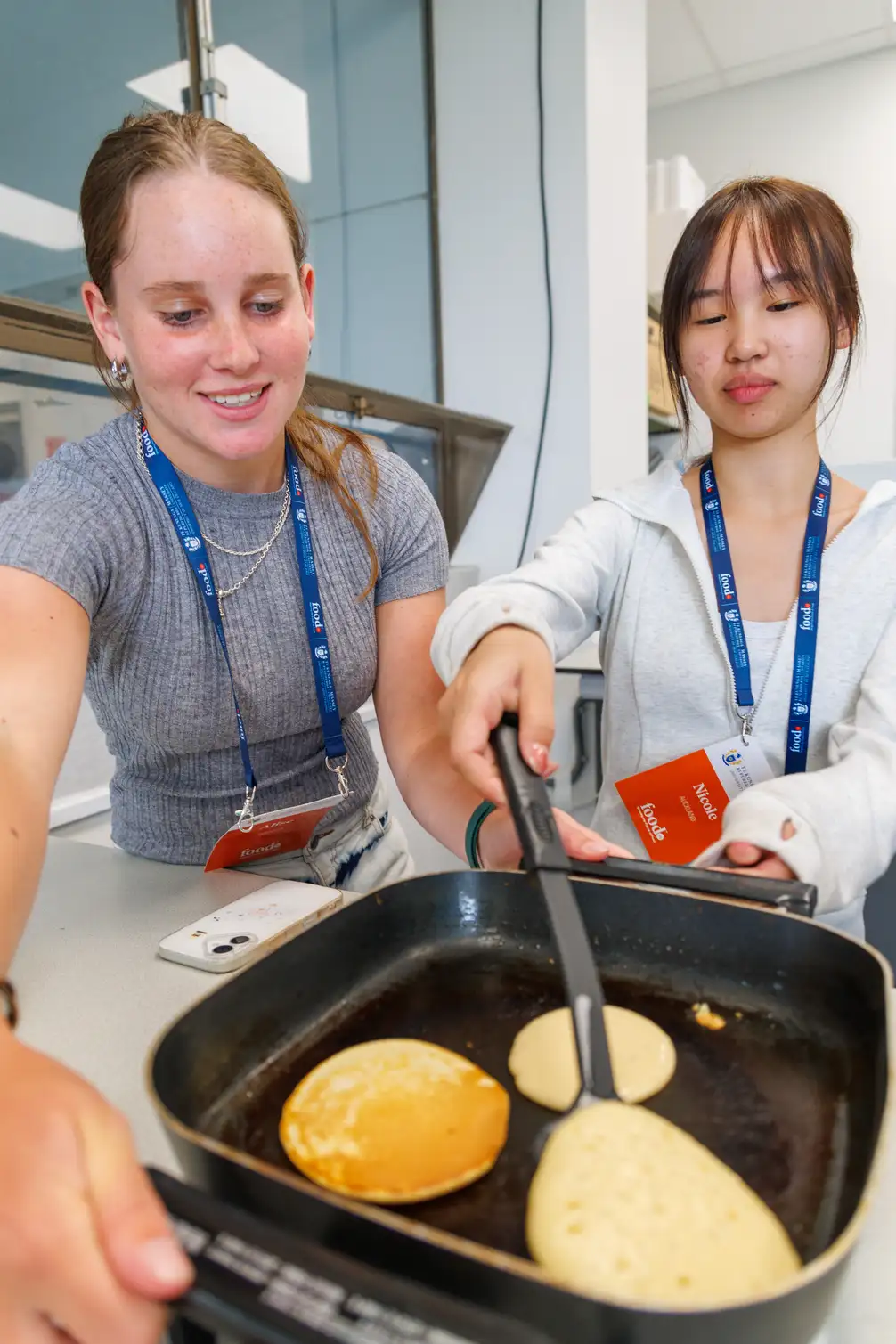
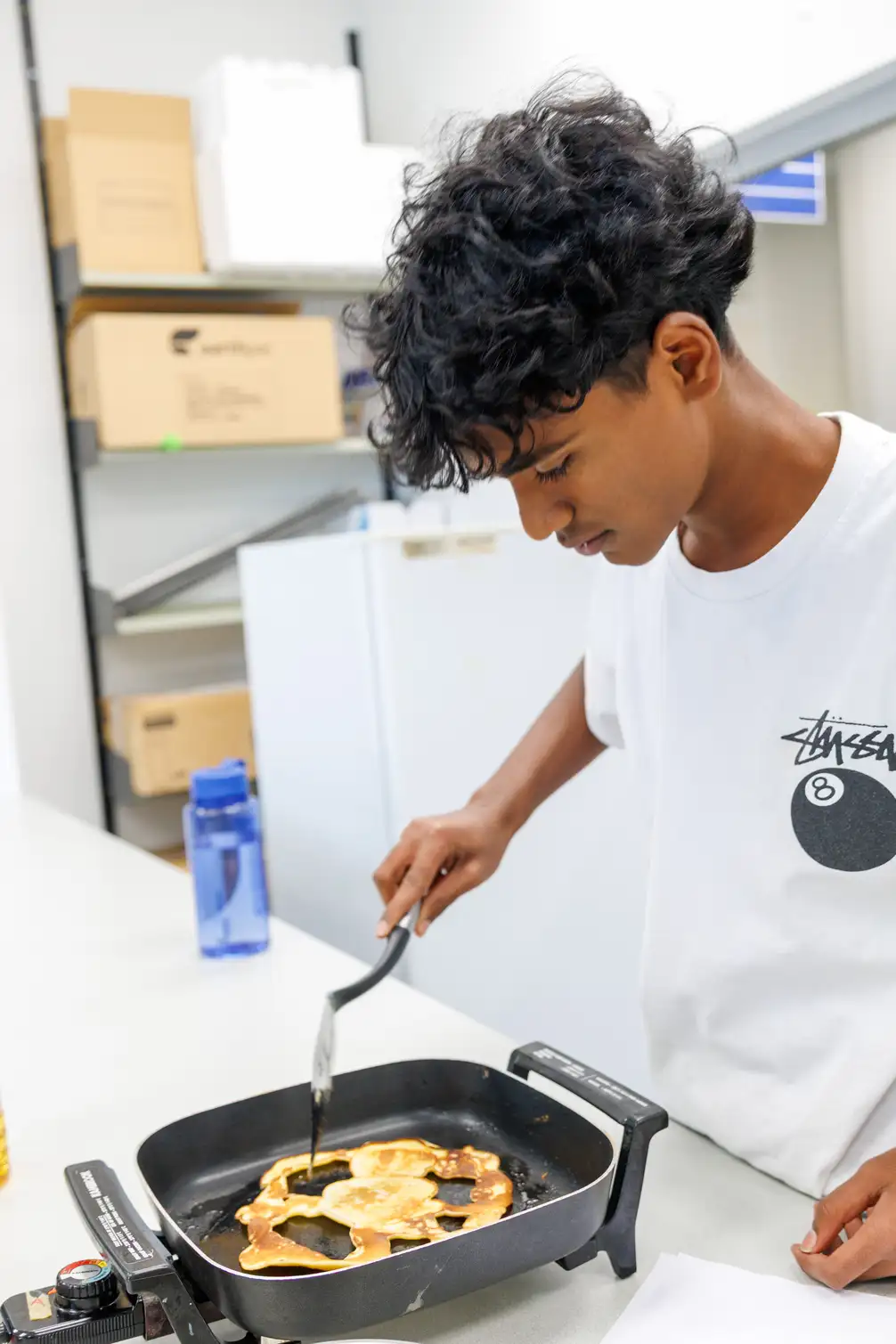
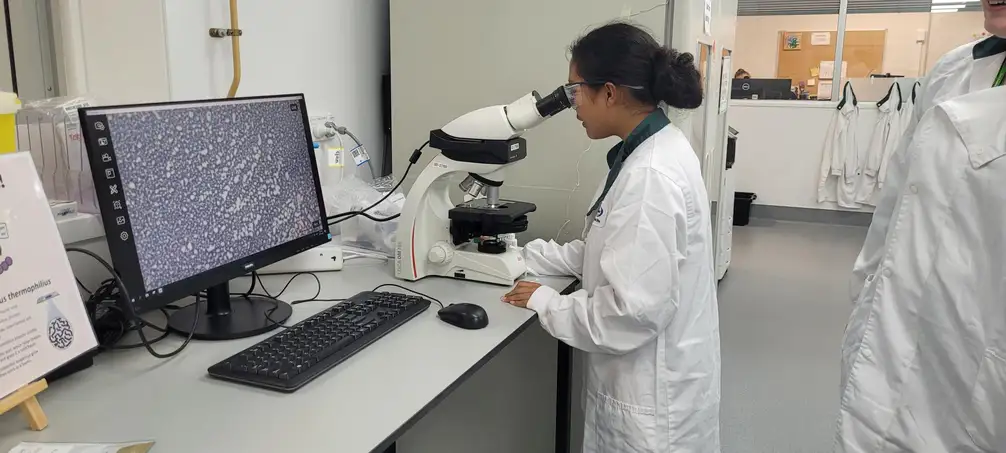
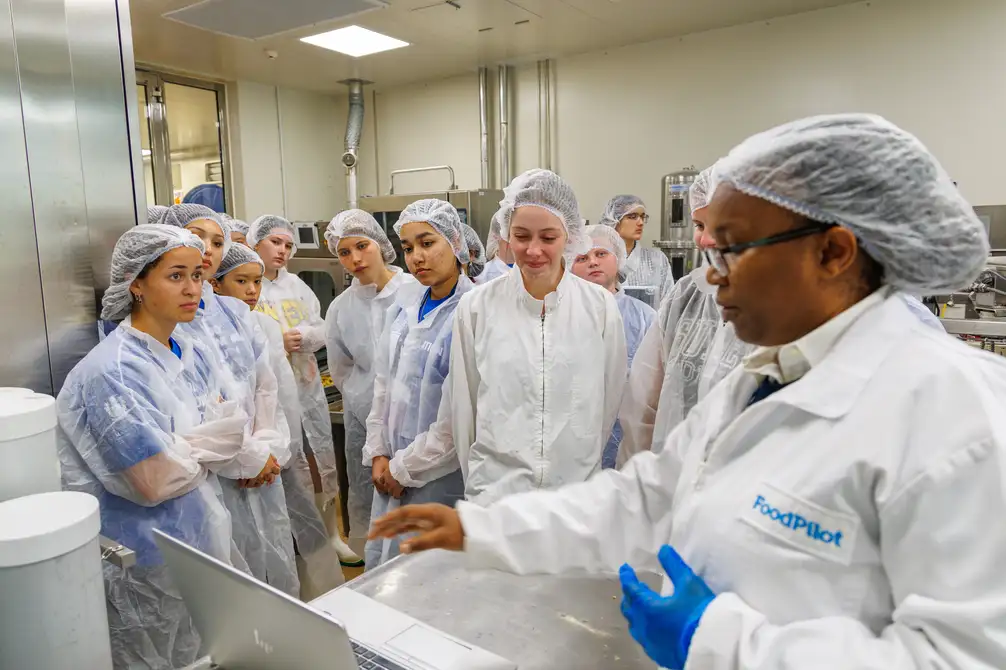
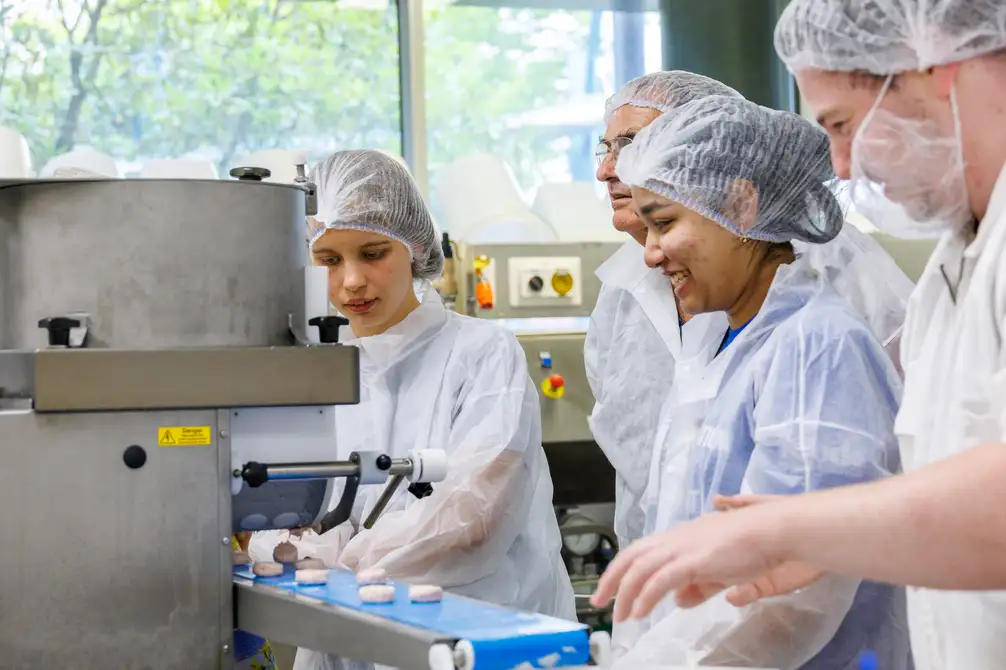
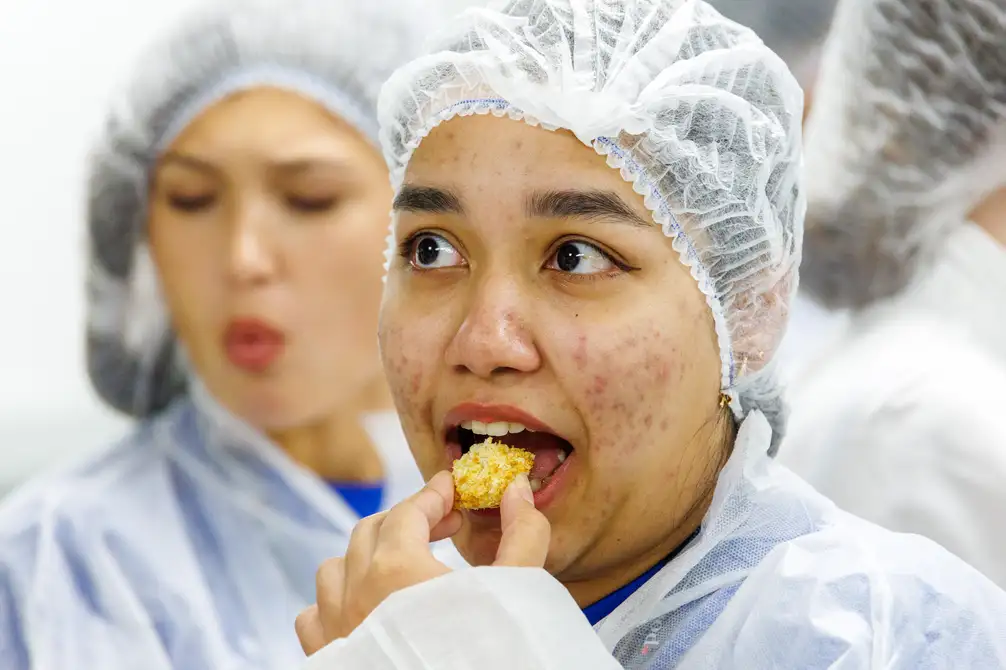
In small groups, they scaled up a simple pikelet recipe, learning how production changes when moving from a home kitchen to commerical scale. They also experienced Massey’s Food Pilot, the southern hemisphere’s largest pilot-scale food production facility, making chicken nuggets and exploring plant-based alternatives.
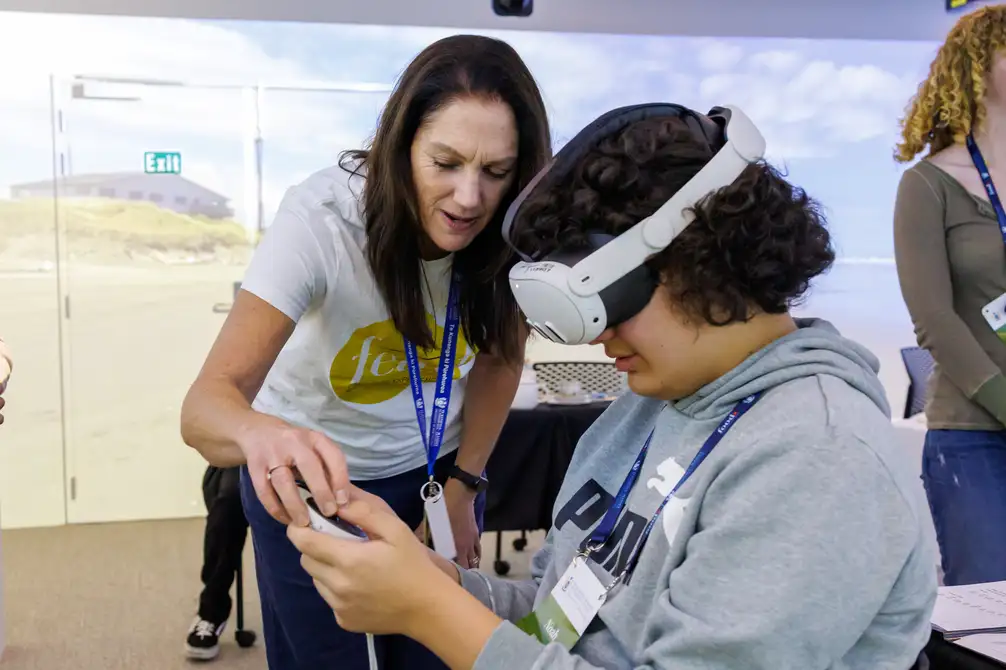
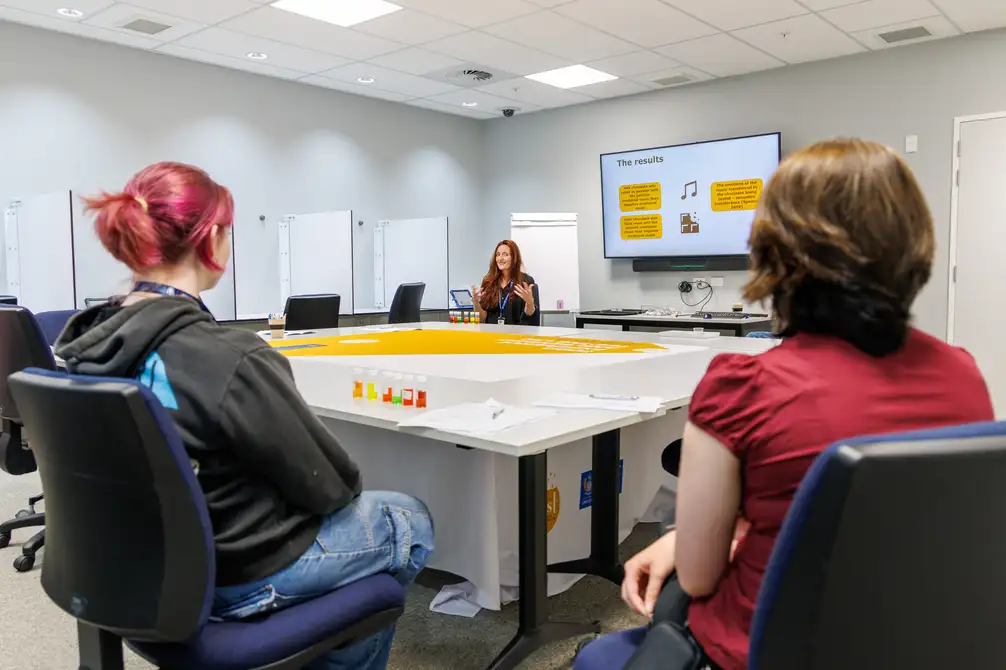
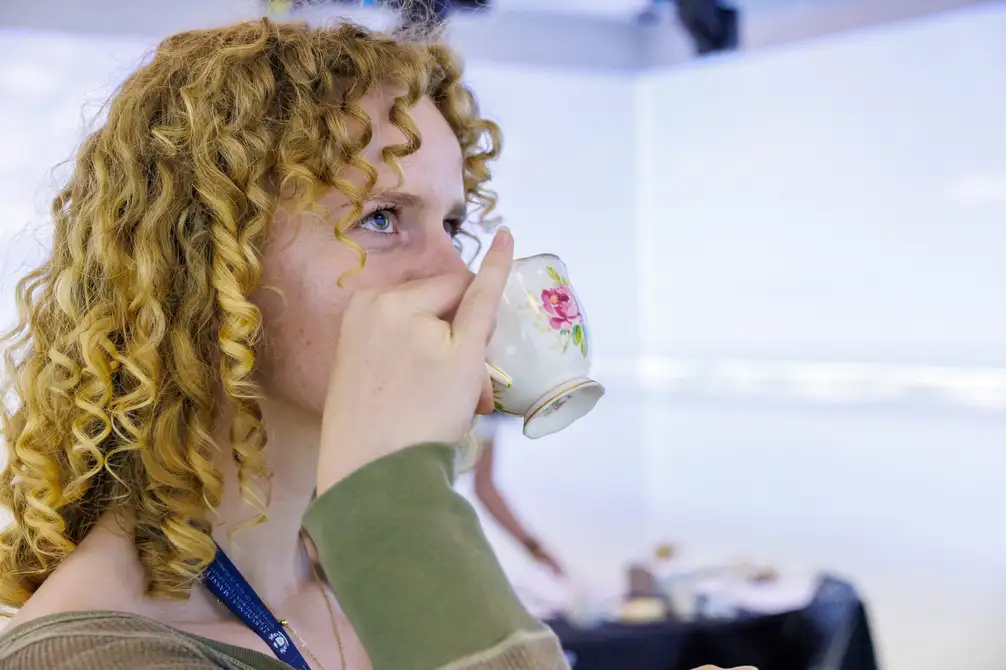
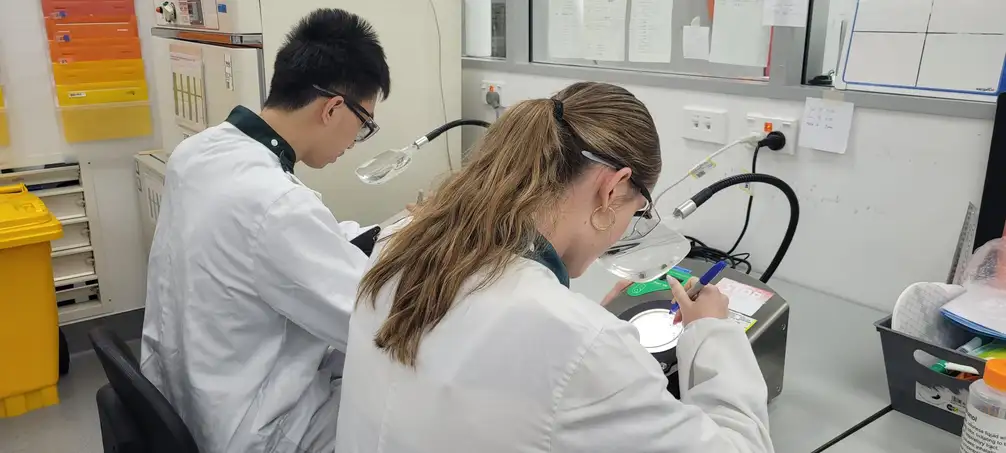
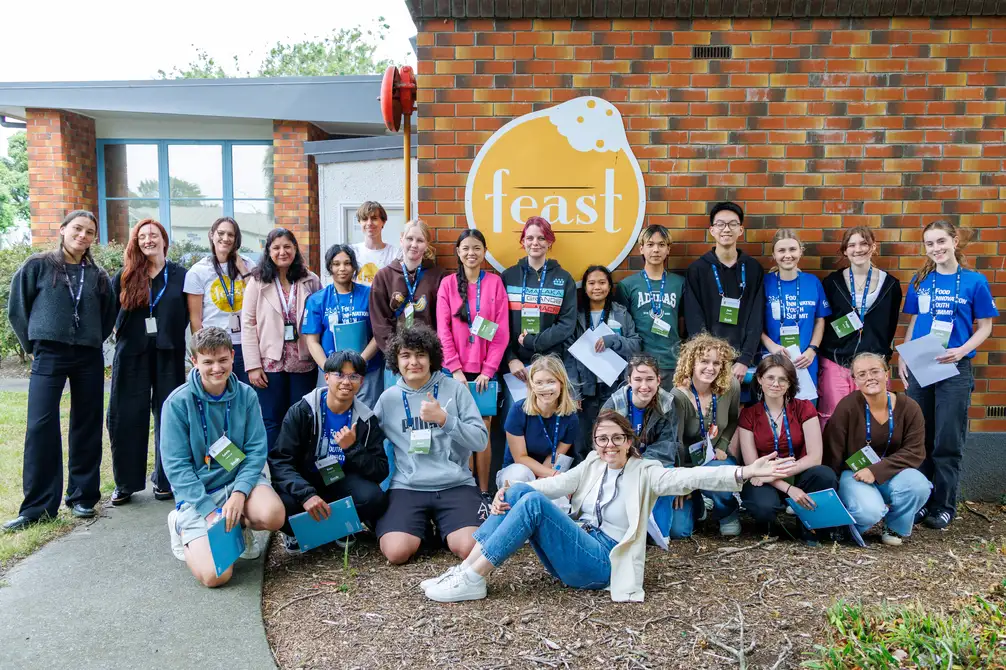
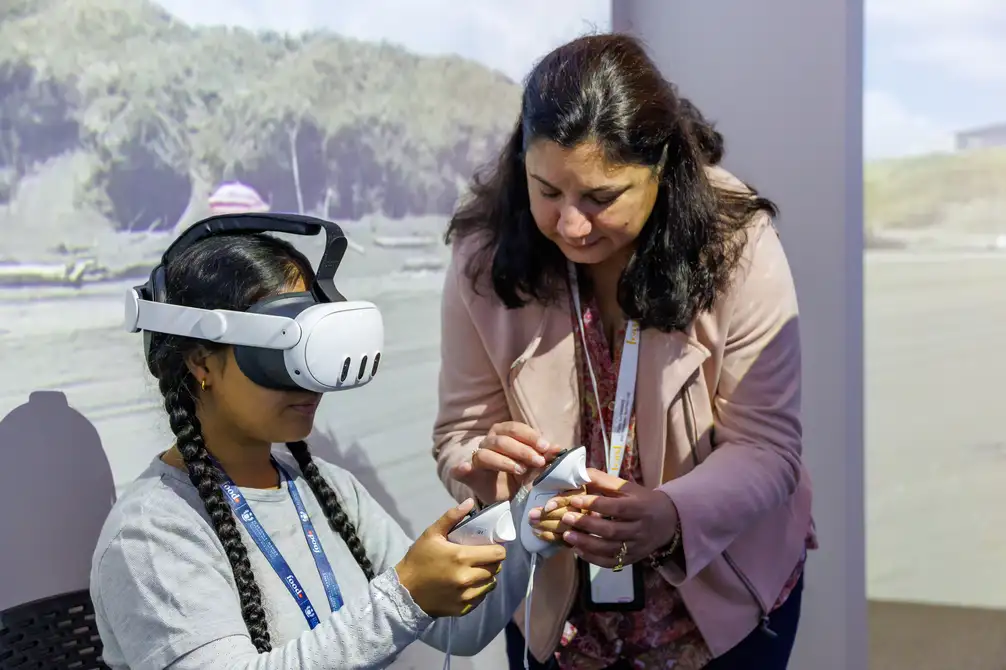
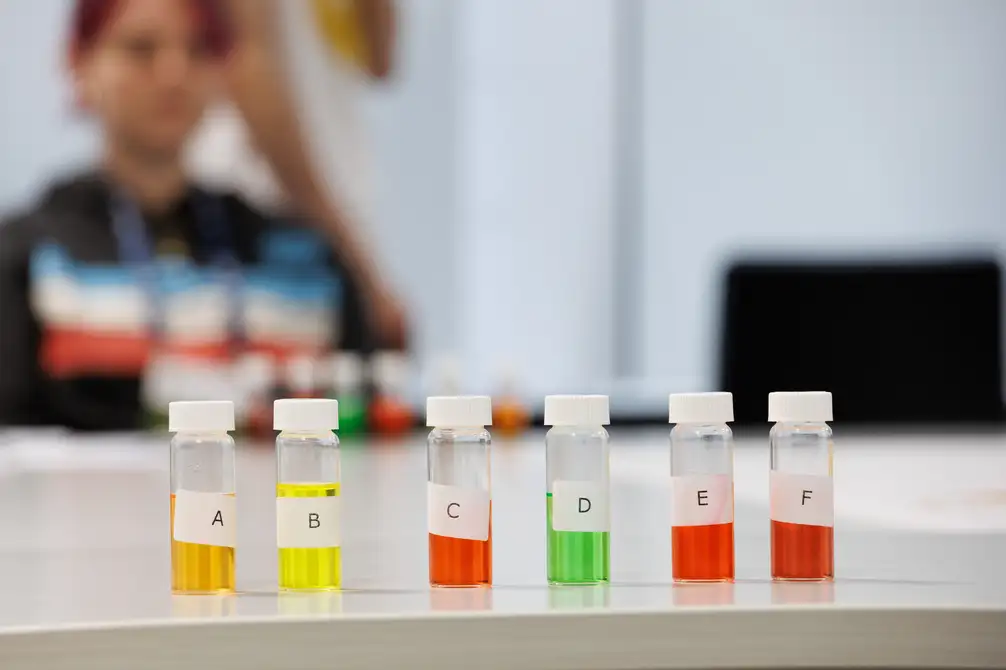
At Massey’s Food Experience and Sensory Testing (Feast) Lab, students took part in consumer sensory testing, including triangle tests, virtual reality and immersion room experiences. These activities demonstrated how consumer data, taste perception and environment influence product development.
Together, the sessions offered first-hand insight into how science, engineering and consumer research come together to create foods that are safe, appealing and scalable.
Year 12 student Ranithi from Auckland says the programme exceeded her expectations.
“At school we cook, but we don’t really go into the technical side. Here, we learnt about food production, techniques and the science behind it. We did so many activities and I’ve made a lot of friends. It’s been amazing!”
From innovation to industry
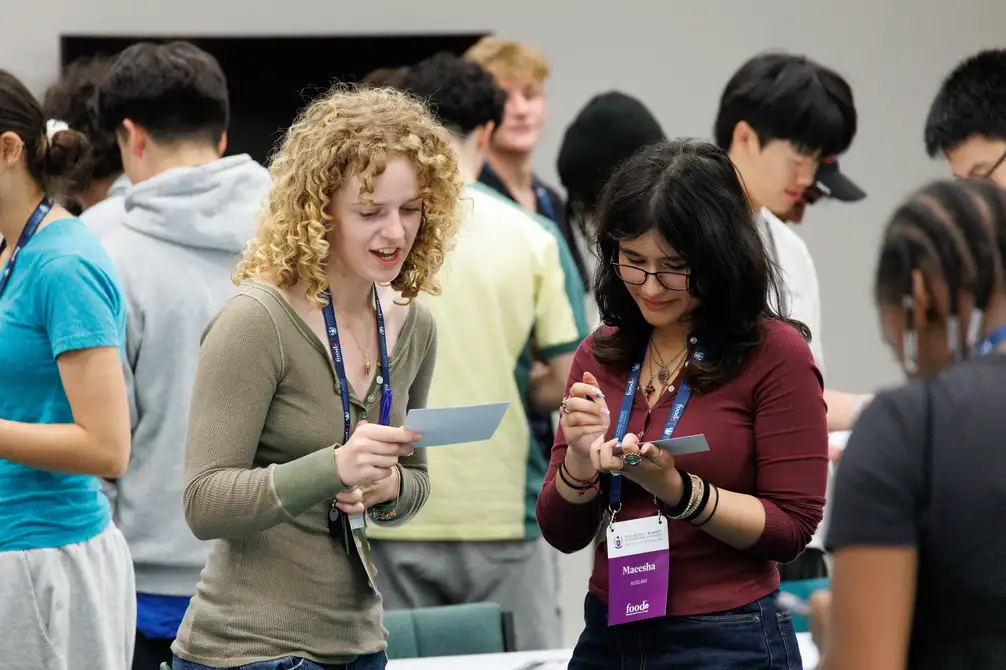
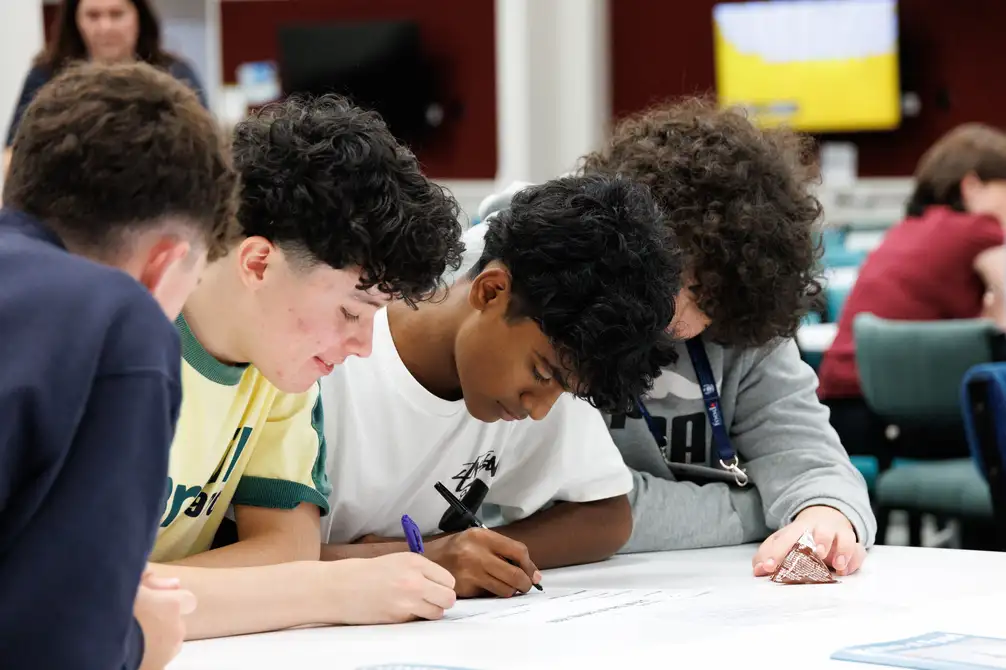
On day two, students put their creativity to the test, inventing new food product concepts inspired by existing brands. Ideas ranged from the Bluebird chip-crumbed chicken nuggets to gingernut crumb kits and even a tiramisu savaloy, showcasing the ingenuity of New Zealand’s young innovators.
Students then stepped off campus to explore commercial food production, visiting key Manawatū sites including Goodman Fielder, Fonterra and Moana New Zealand. The vists provided insight into large-scale manufacturing and the breadth of career opportunities across the food sector, from product development and quality assurance to logistics, sustainability and marketing.
Year 13 student Catherine from Hamilton says seeing food technology in action was a highlight.
“I really enjoyed the factory tour. Seeing the big machines, talking to people in the industry and understanding the manufacturing side compared to the research side. It’s given me a much clearer insight into how complex food technology really is.”
The day concluded with a quiz night, complete with flavour experimentation using Massey’s soft-serve machine and a toppings bar – a memorable highlight for many students.
Careers, creativity and the food of the future
The final day focused on careers and communication. A career panel featuring industry professionals from Fonterra and Boring Oak Milk, alongside current food technology students, gave participants the chance to ask questions about study pathways and working in the sector.
Massey graduate and Fonterra Research and Development team member Ji Won Yoon spoke about the evolving nature of food technology careers.
“Working with people is one of the most important skills I learned in food technology. That won’t change as AI becomes more common. While some tools and processes may shift, communication and collaboration will always matter.”
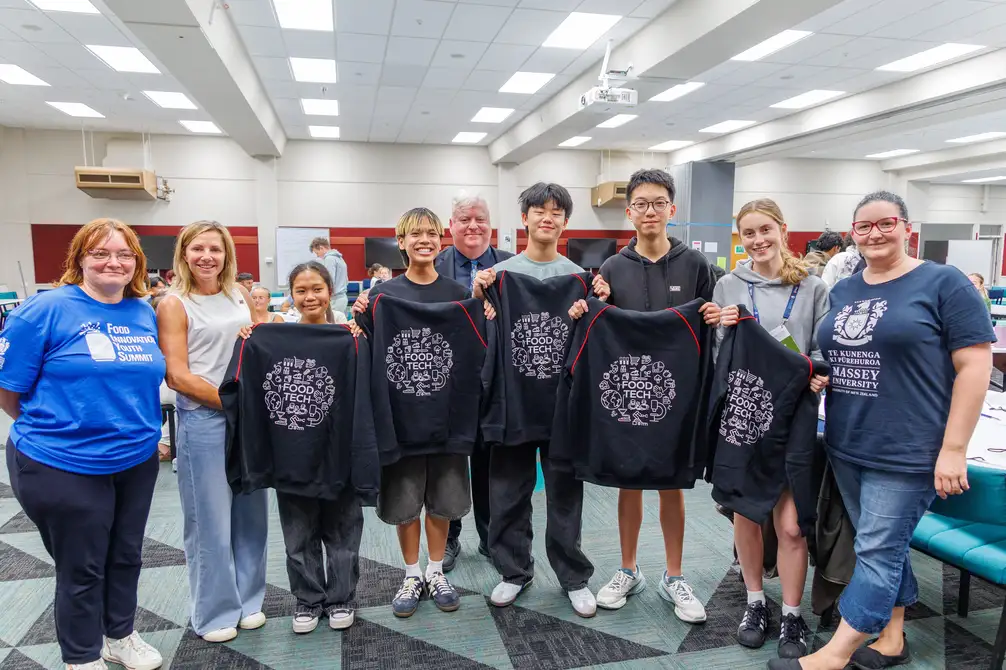
To conclude the summit, students combined everything they had learnt to create social media-style headlines imagining what food-related stories might make the news in 2035. An Innovation Prize was awarded to the top team, followed by a ceremony led by Head of School of Food Technology and Natural Sciences Professor Jamie Quinton, where certificates and pins were presented to all participants.
When asked whether their understanding of food technology had changed over the three days, every hand in the room went up.
“That tells me we’ve achieved our objective,” Professor Quinton says. “We wanted to share with you that food technology is exciting and fun and has so much opportunity. Your challenge from your future selves is to find and follow your passion – and if that passion is food technology, we would love to see you back here.”
Year 13 student Sean from Hastings says he joined the summit out of curiosity but left with a new perspective.
“I wanted to explore different career possibilities, and now I’m really interested in food technology – especially sensory science. Food has a much deeper impact on our lives than we realise. Food innovation connects to social, economic and even political issues.”
Professor Quinton says the summit highlighted the creatvitiy of young people and the growing need for future-focused food technologists.
“The summit showed the incredible potential of young people to drive innovation in food. Their ideas and enthuasiam reinforce why it’s so important we continue to support and develop the next generation of food technologists. They will be the ones responding to global challenges such as sustainability and food security.”
With New Zealand's food and fibre industries increasingly reliant on innovation and value-added processing, Food HQ chief executive Victoria Hatton says engaging students early is important to help address a growing skills gap in the sector.
"Our economy is built on New Zealand's food production system, but we wouldn't have $62 billion in food and fibre exports without the value added by food technologists, processors and engineers. This summit gives students the chance to understand what a career in food technology really looks like and why we need a strong pipeline of people coming through to re-imagine what food might look like in the future."
Building foundations for the future
Following enthusastic feedback, the inaugural Food Innovation Youth Summit has laid strong foundations for a repeat event. Generously funded by Future Foods Foundation and the Central Economic Development Agency (CEDA), with support from FoodHQ, the event represents a powerful model for connecting young people with the science and industry shaping New Zealand’s food future.
Related news
Taste the future of food: Massey hosts inaugural Food Innovation Youth Summit 2026
Year 12 and 13 students from across Aotearoa New Zealand are invited to the inaugural Food Innovation Youth Summit, powered by Food HQ, and hosted by a team of food scientists, developers and passionate food advocates at our Manawatū campus in January 2026.
Future food innovators wanted: How to kick start your food tech future with Fonterra
From food passion to mentorship and internships, current food technology students share how the Fonterra scholarship is shaping their studies and how future students can follow in their footsteps.
Food tech grad making a career out of milk
Food technologist Zara Beckingsale, Ngāpuhi, Tūhoe, picked her career out of a book, despite never having heard of the job before.
