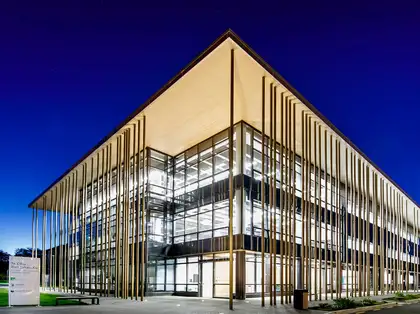
Helping combat a global iron deficiency problem, scientists from the Riddet Institute Centre of Research Excellence hosted at Massey University developed the groundbreaking food fortification technology Ferri-ProTM. Anaemia affects 25-30% of the population – roughly 1.6 billion people – and about half of the cases are due to iron deficiency. The novel protein-iron complex Ferri-ProTM enables food product and beverage fortification without compromising quality and taste, a common problem with many fortification efforts.
Ferri-ProTM technology was used to create Nestlé’s BUNYAD IRON+, a fortified milk powder. Nestlé launched BUNYAD IRON+ in Pakistan in May 2022, targeted to school children, where one in two children is iron deficient.
Before Ferri-ProTM, attempts to iron-fortify food and beverages impacted the sensory properties of the product – the taste and flavour – which can make it unpalatable. Additionally, some forms of iron neither fully dissolve into the product nor absorb it in the human body. The Riddet team were able to combine iron with a protein using food-grade materials and a unique processing method to create a new ingredient. Ferri-Pro™ is odourless, water-soluble and tasteless. It is stable and highly bioavailable. The method is also cost-effective and easy to produce.
"Iron compounds that are used in fortification need to be fully bioavailable, but at the same time should have no impact on the sensory properties of the food product. This is, in fact, one of the biggest challenges we needed to solve."—Distinguished Professor Singh
The science behind Ferri-ProTM
Distinguished Professor Harjinder Singh explains that “In 2011, with the arrival of a new PhD student (Vikas Mittal), we started to look at the binding of iron within milk systems. Milk, known for its rich calcium content, predominantly locates calcium within casein micelles, the primary protein fraction in milk. We hypothesised that a portion of this calcium could be replaced with iron while keeping the milk structure intact.”
The iron addition induced a major transformation in the casein micelle structure, proving novel insights into the creation of casein-iron interaction complexes. A successful patent was then attained.
In Ferri-ProTM the iron is encapsulated into a complex along with two naturally occurring milk components, casein and phosphorous. The iron is protected within the complex, so it does not interfere with the taste or sensory properties of the milk, while also being fully digestible and absorbable along with the casein and phosphorus.
The Nestlé acquisition
The novel technology was acquired by Nestlé in 2019 following negotiations led by Massey Ventures. The deal provided for a commercial return to the Riddet Institute and also represented a huge opportunity to showcase New Zealand food science to the largest global food company along with international media coverage.
Nestlé plans to launch a range of affordable dairy products supplemented with the Ferri-ProTM technology in several developing countries to help alleviate iron deficiency, particularly in children and women.
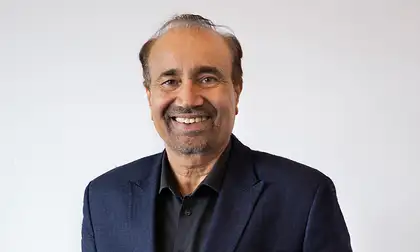
Distinguished Professor Harjinder Singh
Director, Riddet Institute
Professor Singh’s research is food science, proteins and ingredient functionality, functional foods and the food structure-nutrition interface, dairy science and technology. He's a world-renowned food scientist with a high academic profile and extensive experience working and consulting with the New Zealand and international food industry.
UN Sustainable Development Goals
Related content