Māori @ Massey news
Te Tiriti o Waitangi principles meets Human and Organisational Performance
Te Kunenga Ki Pūrehuroa Massey University has aligned its Te Tiriti o Waitangi principles with Human and Organisational Performance (HOP). Director Health, Safety and Wellbeing Carl Stent describes the journey so far and how it works in practice.

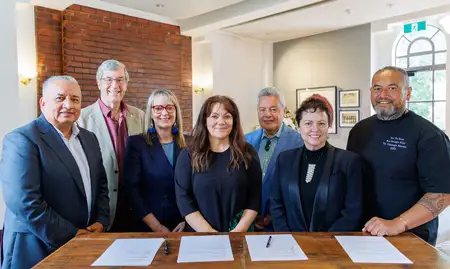
Kawenata formalises long-standing partnership between Massey and Rangitāne
A new Kawenata sets a clear framework for how Te Kunenga ki Pūrehuroa Massey University and Rangitāne will work together in practice, shaping future collaboration across education, research and Māori learner success.
Strengthening inclusive learning in Puna Reo
A new collaboration between Te Kunenga ki Pūrehuroa Massey University and Te Wānanga o Aotearoa Puna Reo is paving the way for more inclusive, culturally grounded early childhood education.
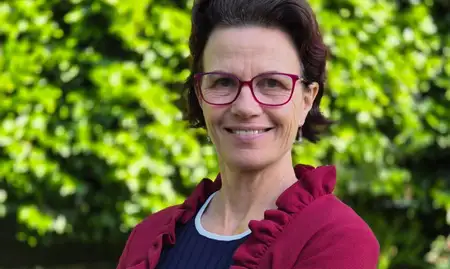
Researcher works with Rūnanga to develop succession planning model
Feilding-based business consultant Dr Lyn McCurdy has developed a practical framework to help Post-Settlement Governance Entities (PSGEs) improve their leadership succession and prepare future leaders.
2024
A new taumata or leadership group, Ngā Kaiwhakapūmau i Te Tiriti o Waitangi i Te Kunenga ki Pūrehuroa, has been established to provide the university with a high level of Te Tiriti expertise and Te Ao Māori leadership for our Te Tiriti o Waitangi kaupapa and mission.
Toi Rauwhārangi College of Creative Arts (CoCA) announces that a new major will be offered from 2025 – Mātauranga Toi Māori. It is available from 2025 as a double major in the Bachelor of Design, Bachelor of Screen Arts and Bachelor of Commercial Music, and as a major in the Bachelor of Fine Arts.
2022
Dr Pauline Harris was appointed as MacDiarmid Institute Deputy Director Māori.
Professor Farah Rangikoepa Palmer was appointed to the role of Pou Ākonga – Executive Director, Māori Student Success.
2021
Record numbers were recorded for Kura Kaupapa Māori teaching programmes. A pōwhiri was held at Te Pūtahi-a-Toi, Massey's School of Māori Knowledge for 41 of the 74 first years who were welcomed to the programme.
The Pūhoro STEM Academy was set up to support rangatahi Māori NCEA achievement in the sciences and mathematics.
Te Au Rangahau, Massey Business School's Māori business research centre, partnered with the University of Melbourne, Carleton University, and University of New Haven to collaborate around research, scholarship and link together indigenous experts from across the pacific to explore international initiatives.
One of Aotearoa's foremost Māori scholars, Rangi Mātāmua, Ngāi Tūhoe, was appointed as a Professor of Mātauranga Māori at Massey's Te Pūtahi-a-Toi, School of Māori Knowledge.
The collaborative research project, Mātauranga Kai, was launched to gather pūrākau (stories) about kai from knowledge holders who grew up in provincial towns in Te Tai Tokerau, Taranaki, Tairawhiti and Te Tauihu rohe (regions).
2020
Professor Meihana Durie was appointed Massey’s Deputy Vice-Chancellor Māori.
Associate Deans Māori were appointed to each of Massey's 5 colleges, to champion and support the success of Māori students.
An Honorary Doctorate was bestowed to Doctor Manahi Paewai – the first to be bestowed at the Celebration to Honour Māori Graduates.
An unprecedented number of Māori academic promotions were announced, with 2 new professors and 7 associate professors created.
The Massey University and Spinoff Conversations that Count – Ngā Kōrero Whai Take podcast was launched.
2019
The university appointed Distinguished Professor Graham Hingangaroa Smith as Deputy Vice-Chancellor, Māori.
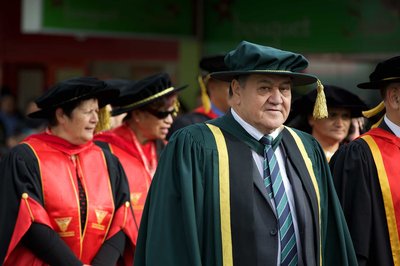
Distinguished Professor Graham Hingangaroa Smith.
Te Mata o te Tau launched Te Wheke a Toi, the International Indigenous Centre for Critical Doctoral Studies, to promote doctoral study for Māori students.
2017
Professor Jan Thomas was welcomed to Massey as Vice-Chancellor of the University.
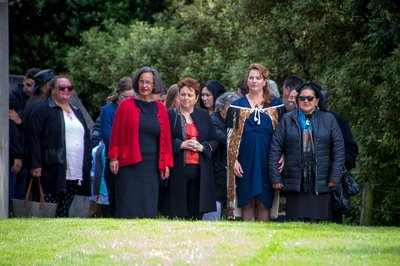
Professor Jan Thomas's welcome.
Professor Meihana Durie was appointed Head of School, Te Pūtahi-a-Toi.
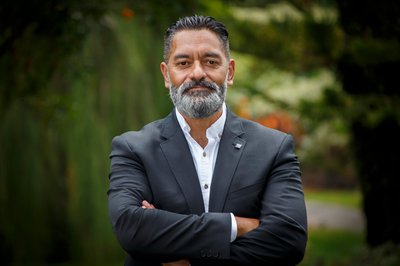
Professor Meihana Durie.
The university accepted its first graduate students into Te Aho Paerewa, a one-year diploma in Māori-medium teaching.
Toi-te-Ora Wharekai opened at the university’s Manawatū campus, with the facilities to give manaakitanga to more than 100 visitors at a time.
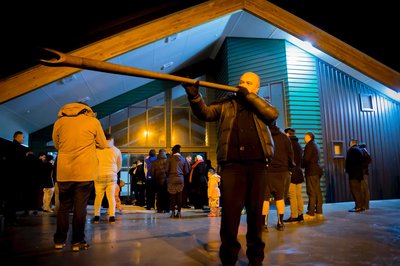
Toi-te-Ora Wharekai opening ceremony.
Te Pūtahi-a-Toi celebrated its 20th birthday.
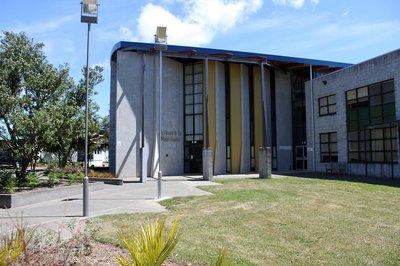
Te Pūtahi-a-Toi building.
Massey appointed Associate Professor Scotty Morrison as Chair of Te Reo Māori.
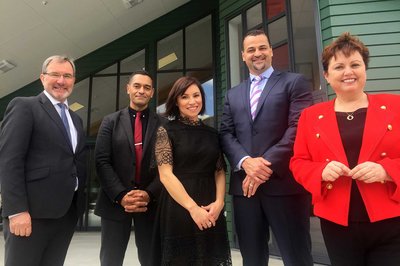
Associate Professor Scotty Morrison fourth from left.
The university delivered te reo classes to TVNZ staff.
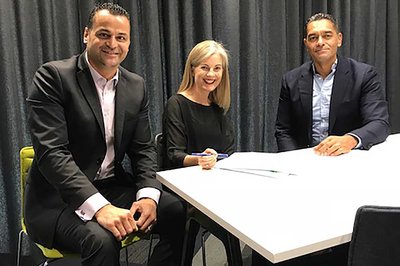
Associate Professor Scotty Morrison, Lisa Hansen (TVNZ), Professor Meihana Durie
2016
Dr Charlotte Serverne became Assistant Vice-Chancellor, Māori and Pasifika.
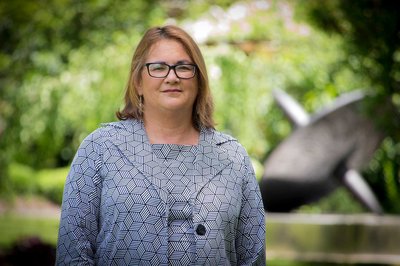
Dr Charlotte Serverne.
Naomi Manu established the Pūhoro STEM Academy programme, the first of its kind in New Zealand. The academy, run with support from Te Puni Kōkiri, supports young Māori students to study Science subjects from Year 11 through university and into their careers.
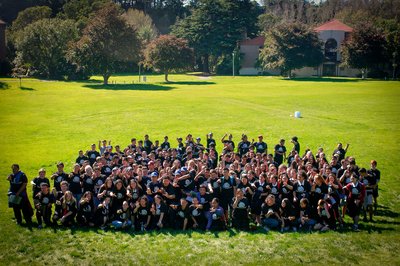
Pūhoro STEM Academy programme students.
2014
Professor Rawiri Taonui was appointed Head of School, Te Pūtahi-a-Toi.
2013
The first students enrolled in Te Aho Tātairangi.
Te Uru Maraurau, the School of Māori and Multi-cultural Education, merged with Te Pūtahi-a-Toi.
2012
Seven digitally-polished, bead-blasted stainless steel pou were erected on the Albany campus. The artwork draws on the legend of Maui’s search for knowledge, and each pou represents a step in the education journey.
Dr Selwyn Katene became Assistant Vice Chancellor, Māori and Pasifika.
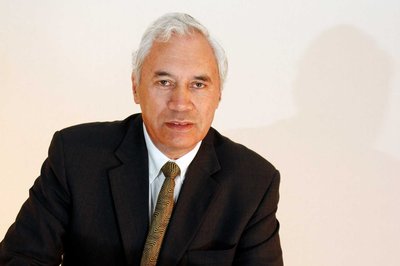
Dr Selwyn Katene.
2011
Te Rau Whakaara, a dedicated team of Māori learning advisors, started their work supporting Māori students to succeed at Massey.
2010
Sir Mason Durie was appointed Deputy Vice Chancellor – a position he held until his retirement in 2012.
In the national Māori Language Awards, Massey won both the Māori Language Week award and the Supreme Award.
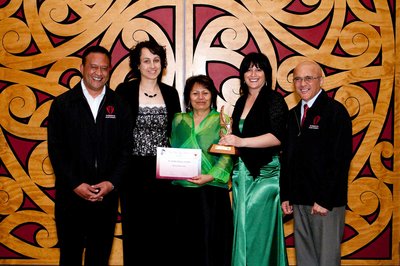
Māori Language Awards.
2009
Te Rau Whakapūmau beat its target to support 25 Māori PhDs in a decade by 15, as Massey’s 40th Māori doctoral student completed their programme.
The inaugural Ngā Kupu Ora Māori Book Awards were held in Te Wiki o Te Reo Māori, to celebrate excellence in Māori literature and recognise the contribution Māori authors make to New Zealand’s literary heritage.
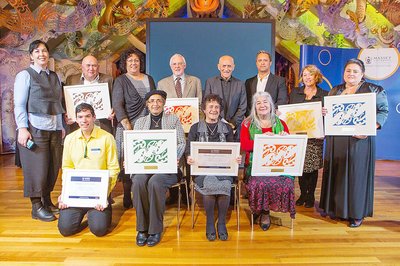
Ngā Kupu Ora Māori Book Awards winners.
2008
The university launched its cyber portal for Māori doctoral students.
Massey offers 115 Courses related to te ao Māori.
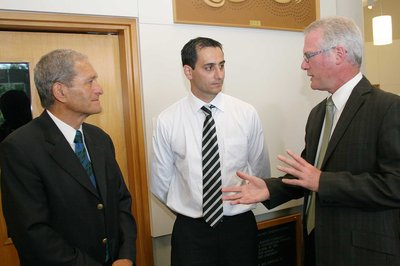
Sir Professor Mason Durie, Dr Nathan Matthews, Steve Maharey.
2007
Te Pumanawa Hauora received a team medal for outstanding research at Massey’s annual research awards.
2006
The university approved its Matua Reo Kaupapa, Māori Language Policy.
2003
Professor Taiarahia Black was appointed Professor of Te Reo Māori, and Professor Chris Cunningham Professor of Māori Health.
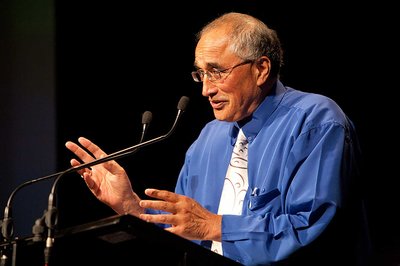
Professor Taiarahia Black.
The university set up Te Au Rangahau, a Māori business research unit, under Dr Farah Palmer.
2002
Professor Helen Moewaka Barnes set up Whāriki, to conduct interdisciplinary research and evaluation in a variety of health and social topics.
Sir Mason Durie was appointed Assistant Vice-Chancellor Māori and started developing a university-wide Māori@Massey strategy. He established Te Mata o Te Tau, the Academy for Māori Research and Scholarship, to promote postgraduate study among Māori students.
Professor Robert Jahnke became Professor of Māori Studies.
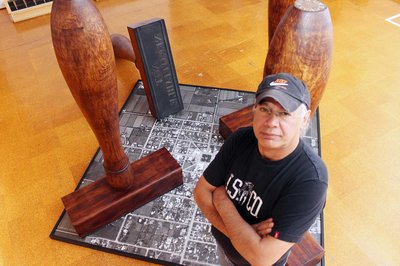
Professor Robert Jahnke.
2000
In 2000 more than 3000 Māori students were enrolled at Massey, about half studying in distance programmes.
The first three students graduated with PhDs from Te Pūtahi-a-Toi: Taiarahia Black, Monty Soutar and Brendon Puketapu.
1999
Wellington Polytech merges with Massey University and Pukeahu campus is established.
1998
Te Rau Puawai was created in partnership with Health Workforce NZ, to provide full-fee scholarships for Māori students working toward qualifications related to mental health. By 2020, more than 400 Te Rau Puawai students had graduated in Nursing, Clinical Psychology, Social Work, Rehabilitation and Māori Studies.
The Department of Māori Studies became Te Pūtahi ā Toi: School of Māori Studies.
The Department of Māori Studies and Multicultural Studies became Te Uru Māraurau: Department of Māori and Multicultural Education.
1997
The name 'Te Kunenga ki Pūrehuroa' was gifted to Massey University by revered Māori academic, Kahu Stirling.
Professor Arohia Durie was appointed to lead Te Uru Māraurau, the School of Māori and Multicultural Education. Alongside Professor Huia Jahnke, she led the development of a groundbreaking Māori-medium teacher education degree programme, Te Aho Tātairangi. In 2001, she became the university’s first Professor of Māori Education.
The Minister for Māori Affairs, MP Rana Waitai, opened the new Te Pūtahi-a-Toi building on the Turitea campus. Built to reflect modern Māori design and symbolism, the building was a home for the Department of Māori studies. It also fulfilled many of the functions of a campus marae.
1996
Work begins on building the Māori Studies in April. Designed by Perry and Bill Royal of Royal Associates.
“We have a large roof symbolising the security of a korowai (cloak) draped over the people, and the building itself has been designed in a large āwhina form, an open armed gesture to the wider community,” Perry Royal.
Palmerston North College of Education merges with Massey University.
Te Pūmanawa Hauora receives funding from the Health Research Council.
Toi te Kupu is funded through the Public Good Science Fund.
1995
Massey’s first undergraduate students in Māori Visual Arts began working toward their Bachelor degrees.
The School of Māori Knowledge published the first edition of "He Pukenga Kōrero, A Journal of Māori Studies".
1994
1994 Rarawa Kohere appointed as the first Kaiwawao at the Albany Campus.
The Ruawharo Campus was opened in 1994 as the Ruawharo campus of the Palmerston North College of Education. Following the merger with the College in 1996, Massey University continued to operate out of the site until 2014.
1993
Professor Chris Cunningham created the Te Pūmanawa Hauora research programme in Māori health. The programme is still running today, and is involved in a number of major research projects and collaborations.
Te Pūnamawa Hauora research programme homepage
Te Hoe Nuku Roa (Māori longitudinal households research project) commenced.
1992
The university launched its Master of Māori Studies degree.
1990
Wellington Polytechnic opened Te Kuratini Marae. When the two universities merged in 1999, the marae became a centre for Māori students, and for formal university occasions like graduation ceremonies.
1989
Massey held its first ceremony to honour Māori graduates, on the Manawatū campus.
1988
The Department of Māori Studies was established as a stand-alone department, headed by newly appointed Professor Mason Durie. Sir Durie revived the department’s curriculum, introducing new courses in Māori Health and Development, and strengthening te reo Māori and Māori Visual Arts.
Massey created its first Māori learning support position, Tama Piripiri.
There were 1002 Māori Students enrolled in 1988.
Te Koha o te Whenua – carved by Senior Lecturer Māori Studies John Bevan Ford – was unveiled at Karaka Grove.
Te Atākura programme began teacher training for native Māori speakers. The programme provided the opportunity for fluent speakers of Māori to train for secondary school teaching.
1987
School of Māori Studies established at Wellington Polytech.
1986
More than 650 students identified as Māori, including those who identified as Māori-Pākehā, Māori-Pasifika, Māori-Asian or Māori-Other.
1984
Landscaping and conservation work at Karaka Grove continues. Much of the work, including laying gravel and constructing the pools and seating, is done by Massey students in cooperation with Rangitāne.
1982
The first Māori PhD student, William McMillan, graduated in Agricultural Science.
Māori Studies became available as a major in the BA degree.
1980
Te Kupenga o Te Mātauranga Marae opened on the Hokowhitu campus. It was the first marae to be established in any tertiary education institution.
Te Kupenga o Te Mātauranga Marae
Visual Arts of Māori and Māori Issues courses were offered under Education.
Social Anthropology and Māori Studies offered 26 internal courses ranging from Introduction to Social Anthropology, to Māori Studies, Māori Language, to Social Anthropology of South Asia, to Black Africa.
Māori Language courses were offered up to the 300 level along with 4 Māori and Polynesian Scholarships.
1976
The university unveiled its first Māori artworks: four tukutuku panels woven by the Tawhai Whānau for the Department of Social Anthropology and Māori studies.
1974
The Department of Social Anthropology and Māori Studies became a stand-alone department, headed by Professor Hugh Kawharu.
1973
Te Reo Māori papers were offered and taught along with a new paper in Māori Pre-History. A Māori Language Department was established at Palmerston North Teachers College and headed by Bill Nēpia, which later became known as Te Uru Māraurau, Department of Māori and Multicultural Education, College of Education.
Emeritus Professor Sir Ngātata Love was appointed Senior Lecturer in Management. He went on to become the Faculty of Business Dean from 1985 to 1995 and was knighted for his services to Māori in 2008.
1972
Massey opened its Department of Social Anthropology and Māori Studies, under the leadership of Professor Kāwharu. Its first two courses were Introductory Māori Language, taught by Apirana Mahuika, and Introductory Culture and Society, taught by Te Pakaka Tawhai.
1971
Sir Hugh Kāwharu was appointed a foundation Professor of Anthropology and Māori Studies. His new programme emphasised te reo Māori and Māori culture, and included courses for distance students.
1968
Dr Ephra Garrett was appointed as a lecturer at Massey. Dr Garrett ran the university’s first Women’s Studies course in 1978 and, with Merv Hancock, founded the Bachelor of Social Work programme in 1987. She built a Māori dimension into teaching and research in the Departments of Social Work and Psychology.
1964
Massey University College of Manawatū became Massey University of Manawatū on 1 January 1964 under the Massey University of Manawatū Act 1963.
1962
Palmerston North University College merged with Massey College. Adult education classes were offered at the college and included a Māori language course.
1957
The Palmerston North College of Education (previously called the Palmerston North Teachers’ College) included Māori history in its curriculum from the start. The North Island Teachers’ College Annual Tournament included Māori cultural competitions.
Palmerston North Teachers’ College Handbook, 1957
1930
The Massey Agricultural College Students' Association adopted the rams head – based on a model of an old Egyptian fresco – as their official symbol and also introduced an official haka.