Tōku reo, tōku ohooho
Tōku reo, tōku māpihi maurea
Tōku reo, tōku whakakai marihiMy language is my cherished possession
My language is the object of my affection
My language is my precious adornmentKei aku nui, kei aku rahi, tēnā koutou katoa.
Te reo Māori is the indigenous language of Aotearoa New Zealand, and one of our three official languages. Using te reo Māori breathes life into the university's communication and promotes the retention, transmission and development of the language. By using te reo Māori correctly you’ll be contributing to Matua Reo Kaupapa – the Māori Language Policy for Te Kunenga ki Pūrehuroa.
Nō reira e hoa mā, mā te kōrero i te reo e ora ai.
It is by using the language, it will live.
Pōwhiri, mihi whakatau and mihimihi
We acknowledge and foster new relationships at Massey with Māori welcomes like pōwhiri, mihi whakatau and mihimihi.
A pōwhiri is a formal ceremonial Māori welcome. Pōwhiri are usually held on a marae, and the layout of the marae, the structure of the welcome and the etiquette to follow are very clearly defined.
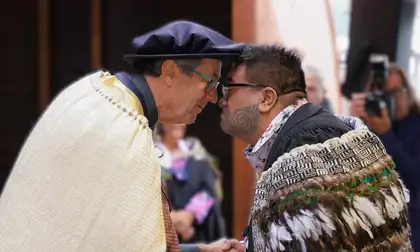
A mihi whakatau is a less formal type of Māori welcome. Find out what happens at a mihi whakatau, and learn how to introduce yourself with a mihimihi and a pepeha.
Pōwhiri
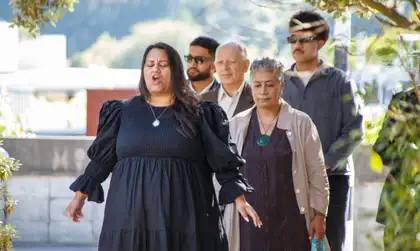
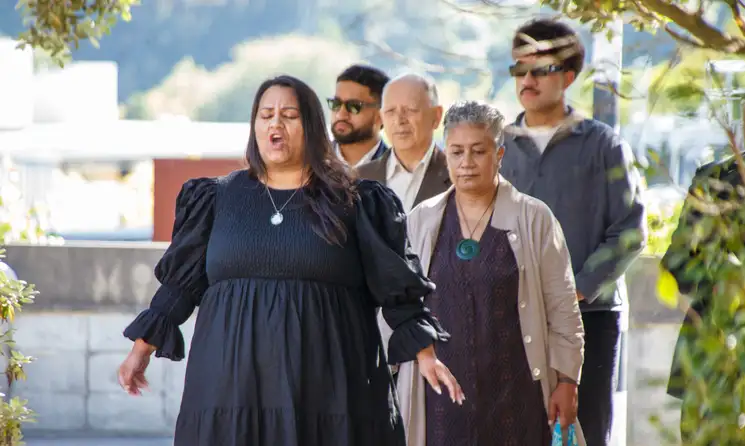
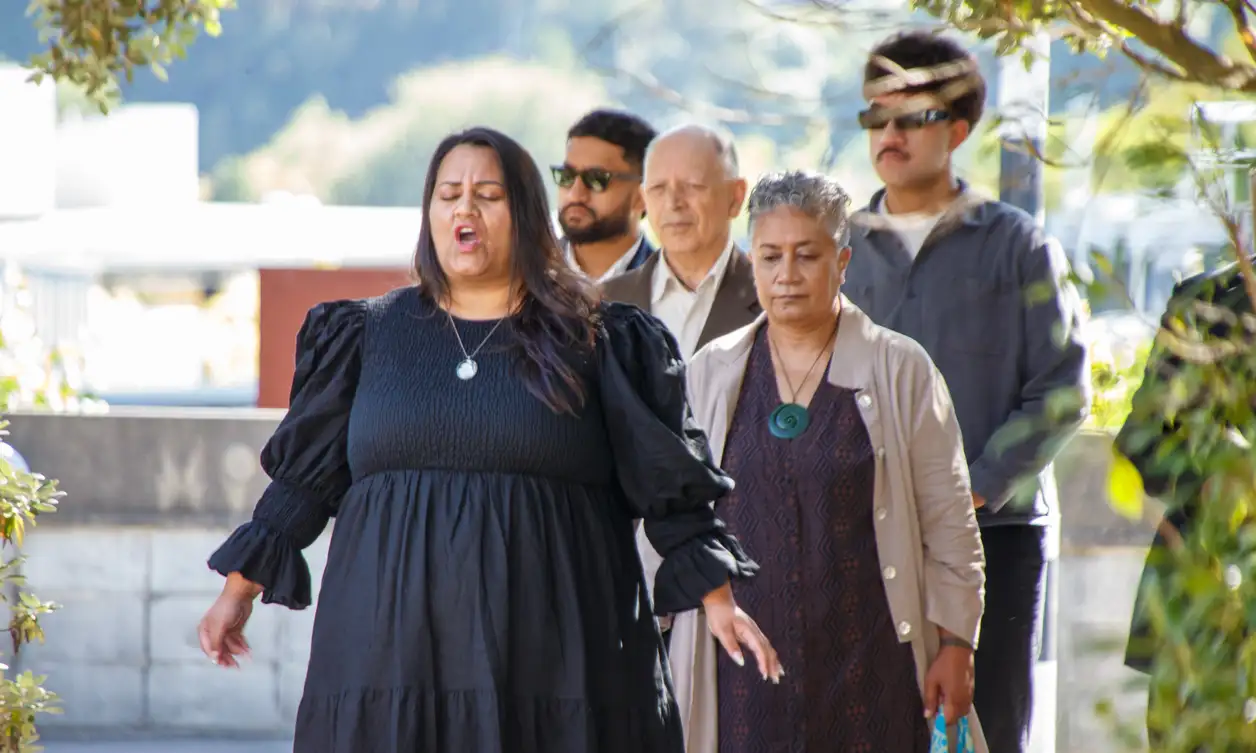
A pōwhiri is a formal ceremonial Māori welcome. Pōwhiri are usually held on a marae, and the layout of the marae, the structure of the welcome and the etiquette to follow are very clearly defined.

He aha ngā mahi ki te pōwhiri?
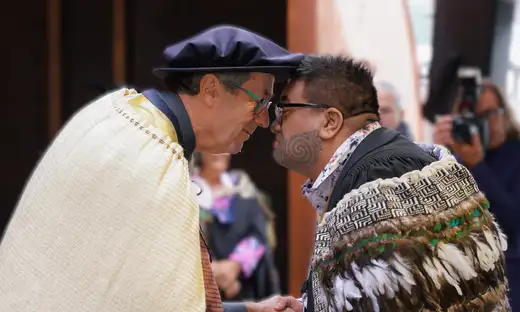
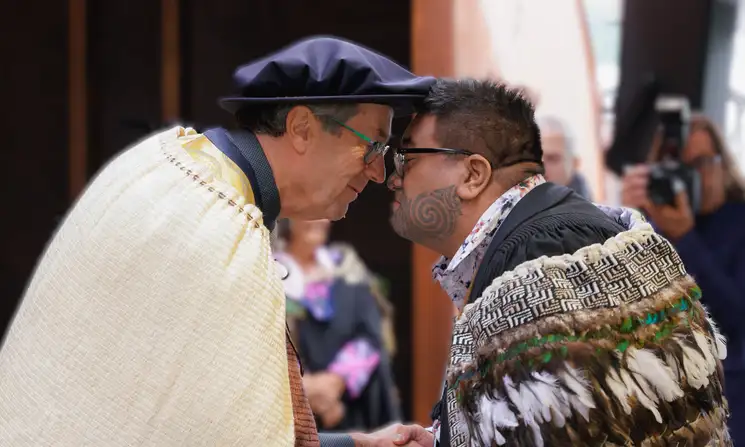
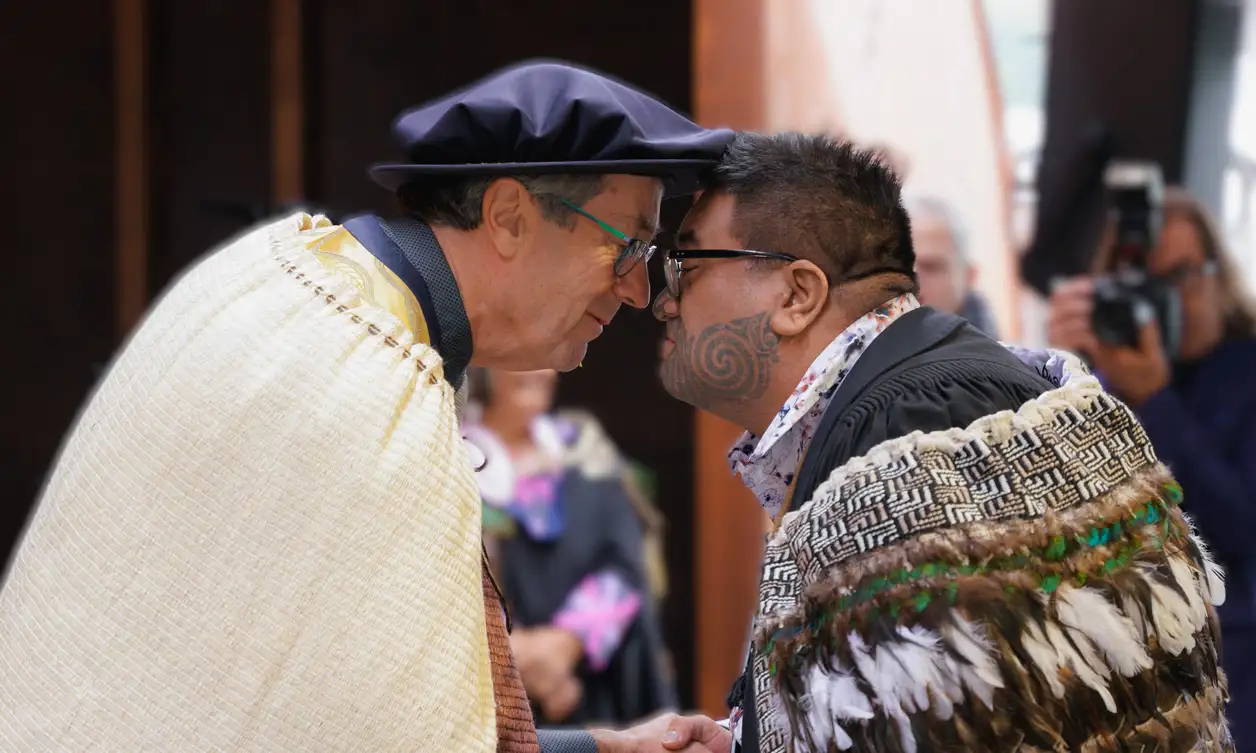
Find out about karanga, whaikōrero, waiata, hongi and sharing kai – the essential elements of a pōwhiri.
Mihi whakatau and mihimihi
Find out what happens at a mihi whakatau, and learn how to introduce yourself with a mihimihi and a pepeha.




Whakataukī – Māori proverbs
Whakataukī are often used in both formal speeches and everyday conversation. Learn whakataukī about aroha (love), inspiration, encouragement and more.

Whakahuatanga – Pronunciation
There are 5 vowel sounds in te reo Māori and 10 consonant sounds. It’s important to learn how to pronounce them correctly as it helps retain the integrity of the language.
Using te reo in the workplace and at home
Te whakauru i te reo ki ngā reta & ngā īmēra
Using te reo in letters & emails
Learn how to use te reo to write dates, open and sign off emails or letters, and create an "out of office" message.
Te tono kawhe i te reo Māori
Ordering coffee in te reo Māori
How to order your favourite kawhe (coffee) in te reo Māori.
Karakia
Incantation
Karakia are ritual chants or prayers spoken in te reo Māori. Learn a simple karakia to use at your next hui (meeting).
Kīwaha
Idioms and colloquialisms
Try out these kīwaha (idioms and colloquialisms).
Ngā taputapu
Common objects
Learn the te reo translations for a list of common household objects.

Toro Mai – Te reo Māori and Tikanga Māori courses
Deepen your understanding and awareness of Māori knowledge with Toro Mai – 2 free introductory online courses on te reo Māori and tikanga Māori.
Each course takes about 10 hours to complete and can be studied at your own pace. There are no costs involved, no assignments and no exams. You will receive a certificate of completion when you finish the course.
Related content