The dreams of those who have experienced a near-death experience can be different to those who have not.
‘Trauma or Transcendence? The Relationship Between Near-Death Experiences and Dreaming’ was showcased in the most recent APA’s Article Spotlight and was chosen from nearly 90 peer reviewed APA journals covering the breadth and depth of international psychology research.
An NDE is specific psychological experience that happens to some people when they come close to death or have even been pronounced clinically dead and then resuscitated. NDEs can present as a feeling of extreme peace or even euphoria; a perception of unusual or bright light; and in some cases, people report feeling separated from their physical body or even a sensation of looking down and seeing their own resuscitation procedure.
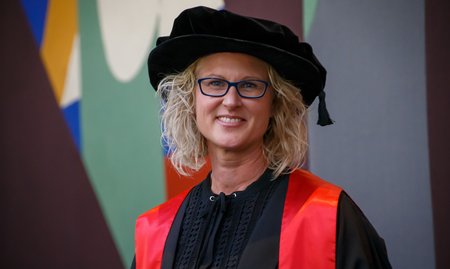
Study leader and School of Psychology Senior Lecturer Dr Nicole Lindsay completed her PhD on NDEs in 2018 and has continued researching the after-effects of the phenomenon. In her research, she has met people who made profound changes in their lives after experiencing an NDE.
“I’ve met people who were clinically dead for as long as 20 minutes and resuscitated. I’ve interviewed people in their 80s who had a near death experience in their teens and they cry from the relief of finally after all those years being able to talk about it.”
“It remains a somewhat stigmatised topic, but there is no doubt it is an authentic experience that can have significant and lasting impacts on those who have them.”
For ‘Trauma or Transcendence?’, Dr Lindsay collaborated with Associate Professor Natasha Tassell-Matamua, Associate Professor Rosie Gibson and PhD candidate Laura O’Sullivan, who is researching the related topic of end-of-life experiences.
The team surveyed three groups of participants: 138 people who had experienced an NDE, 45 individuals who had been through a life-threatening event but did not have an NDE and 129 participants who had never come close to death. The participants completed a detailed questionnaire including questions about their dream experiences, trauma symptoms and demographic information.
The study findings indicated highly significant differences in dreaming between those who have and have not experienced an NDE. People who had experienced an NDE had more frequent and vivid dreams and increased lucid dreaming - where the person is asleep but aware they are dreaming and can sometimes control the dream. Out of body experiences where the individual feels like their consciousness separates from their physical body were also more frequent for people who had an NDE. NDE survivors also reported more precognitive dreaming, where they seem to have knowledge of future events.
The study was described as “shedding new light on the relationship between near-death experiences and dreaming” in a recent feature article for the independent science news website PsyPost.
Dr Lindsay says it is wonderful for the research team and Massey’s School of Psychology to receive recognition for its NDE research 50 years after the first scientific research on the NDE phenomenon was published.
“There has been a massive shift publicly and within academia in recognising the profound impact NDEs can have and their potential for understanding the complexities of human consciousness. By better understanding them there could also be potential to harness and replicate their transformative effects on a person’s life. As psychologists, we are always looking for ways to enhance wellbeing and help people find greater meaning and purpose in life. Transcendent experiences like NDEs offer a fascinating avenue to explore in this respect,” she says.
Interested in studying Psychology?
Related news
Massey Professors receive ONZM for pioneering work in health psychology and ageing studies
Two Professors from the School of Psychology have been included in this year’s King’s Birthday Honours List.

Finding potential through pain, perseverance and psychology
It’s been a year of personal success for 25-year-old Ana Moi, including representing Fiji in the 2023 Netball World Cup and graduating with a Bachelor of Health Science (Psychology) , but it hasn’t come without hard work and persistence.

PhD research shows link between poor sleep and perinatal depression
Healthy sleep is vital to health and wellbeing at all life stages. But for many women, achieving restorative and satisfying sleep consistently throughout pregnancy and the early childhood years is a challenge.