According to maths achievement statistics, ākonga Māori in English kaupapa schools consistently score slightly below their Pākehā and Asian peers for ‘meeting standards’ and dramatically lower than those peers for ‘achieving above standards’. Despite lessening over time, the maths achievement gap has maintained the longest tail of inequitable education globally. Because maths is used as an educational sorting tool, students who lack maths achievement often miss out on great opportunities.
About the research collaboration
Massey’s Associate Professor Pania Te Maro, Dr Brian Tweed and Dr Raewyn Eden have partnered with kaiako at kaupapa English and kaupapa Māori schools in Auckland, the East Coast, Taupō and Manawatū to explore how centring mātauranga Māori “can bring purpose and joy of mathematics” to ākonga. They are supported by an ‘Equity for Mātauranga Māori in mathematics education’ Teaching & Learning Research Initiative (TLRI) 3-year grant.
Through multiple wānanga, classroom observations, ākonga interviews, formative and summative assessment results and kaiako journaling, the researchers will analyse:
- the ways pedagogical rationale is decided and reflected upon
- how that discussion might change over time
- what impacts occur for ākonga both in and across contexts
- any achievement changes.
The researchers are trying to uncover pāngarau – simply defined as mathematics in the Māori dictionary – but they argue it is something more, something powerful that has the potential to bridge the maths achievement gap through a holistic educational experience. The goal is to honour Aotearoa’s mokopuna and empower their learning through reducing education inequities.
Pāngarau is far bigger than maths
Addressing the maths achievement gap and its implications, Associate Professor Te Maro shares a poignant metaphor: maths sorting is akin to cattle sorting. “The cattle get sorted – those ones are going to the slaughterhouse, and these are our prime beef. Maths is that. It’s the ultimate sorting tool. When the kids get tested it’s been given that kind of status, that it sorts our kids into worthy and not worthy.”
Their research is trying to “combat the sorting of our kids.” In te ao Māori, children don’t get sorted. Furthermore, Te Maro explains, “the maths curriculum has been stripped down to pluses and minuses and multiplying and dividing, but maths is much more than these parts.” The mainstream curriculum removes maths relevance and connection to the students’ broader world.
The teachers and researchers are collaborating on maths curriculum lesson plans grounded in Māori values, tradition and student interests. A lesson in:
- fractions is contextualised within manaakitanga for manuhiri on the marae
- geometry set in creating tools for a traditional game
- algebra experienced through canoe racing.
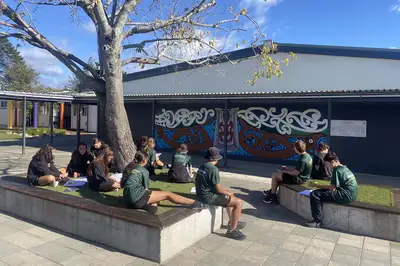
Students learning through pūrākau (the kōrero of Matua Hautere - tupuna o Ngāti Kuia) with many maths areas unpacked.
Contextualised lessons in a te ao Māori theme
Dr Tweed says kaiako and ākonga are talking about the difference between maths and pāngarau. They made a model of how they currently conceptualise the relationship: “context is important, because context is culturally dependent. What is valued [and] emerges from the context? Something that is needed, what I would call a take [tah-keh: reason, purpose, beginning]. Not a problem. A cultural perception of an imbalance in need of balancing. This bridge is a 2-way communication with maths, and on that bridge maths somehow becomes pāngarau.”
At Mount Maunganui Intermediate School, reo rua Year 7 and 8 led by kaiako William Paki and Tapuraka Rikihana used the making of niti, a throwing dart, from harakeke to teach measurements, angles and statistics. They learn the tikanga around gathering harakeke. Because they cut it in different places, they learn about standard and nonstandard measurements for the different lengths. The harakeke must be cut at a certain angle. Finally, they test the finished niti to see how they throw, which leads to graphs and statistics.
Paki and Rikihana approach teaching and learning holistically, an intuitive approach in te ao Māori. The niti lesson not only incorporates tikanga and maths, but also science, as the students learn about kinetic and stored energy when they throw the niti.
Rebekah Shepard, now Deputy Principal at Tauranga’s Arataki School, first joined the research collaboration when teaching in a reo rua class at Broadgreen Intermediate in Nelson. Her students weren’t engaging well with traditional maths lessons, so she contextualised lessons in a te ao Māori theme, such as manaakitanga, with great success. A lesson in fractions came through a lesson on the tikanga of manaakitanga at a marae pōwhiri and setting up the wharekai.
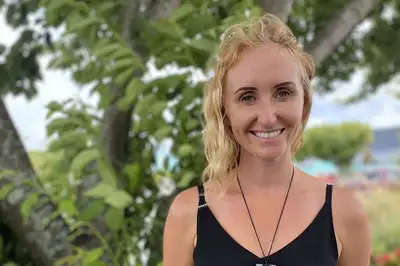
Deputy Principal Rebekah Shepard, Arataki School in Tauranga.
She says, “they might not know the answer to a fraction of 20. They might not know how many sixes would go into 24. They might not even know majorly about setting up the wharekai.” But they can contextualise their experience into the lesson. “Now, we’ve got these disengaged kids nailing maths because they can bring something to the table. They haven’t been able to bring things to the table in the past because maths has been so right and wrong.” They had great results that first year, so Shepard continued the following year. Her teaching journey also changed as she developed her practice alongside the research collaboration.
Dr Eden serves a more inquiry role on the research team. As Pākehā, she isn’t as familiar with mātauranga or te reo and te ao Māori. When the collaborators convene for planning and reflective wānanga she finds herself asking (what she calls) ‘naïve’ questions.
For example, with the harakeke and niti lesson, Eden asked about the differences between the tikanga, maths and mātauranga, which became an opportunity for the group to tease out the nuances of the relationship between those discourses. These moments of exploring that relationship are one way of understanding that ‘something more, something powerful’ that they think is pāngarau emerges.
Whakaaweawe of pāngarau on teachers and learners
Paki reports that their Year 7 and 8 reo rua class has one of the highest attendance rates in the school. The ākonga are invested in learning through te ao Māori. The class has an ongoing wait list, which testifies to the community’s interest.
In using marae values in the classroom, the learning environment transforms to one of manaaki and ako. The Year 8 ākonga assume leadership or mentorship roles by demonstrating classroom tikanga and supporting Year 7s’ learning. The beginning of every school year is spent “grounding our kids,” Paki says, but with this pedagogy, “they already know what we’re about. The older teach the younger. It’s a flow on effect. It’s become easier because they’re used to their routines.”
Paki witnesses firsthand the shift in ākonga when they learn – maths or any other subject – through the wisdom of their tūpuna. He and Rikihana whakapapa to the region and ground the class in their shared tūpuna pūrākau and mātauranga, a critical relevance for the ākonga to meet curriculum requirements while immersed in te ao Māori. Shepard praises the “beautifully high standards” coming through the new national curriculum but notes they are coming out of a sterile environment. She wants to see “teachers doing what is best for students, which is Māori learning as Māori. This is the best practice for all students, because what’s best for Māori is best for all.”
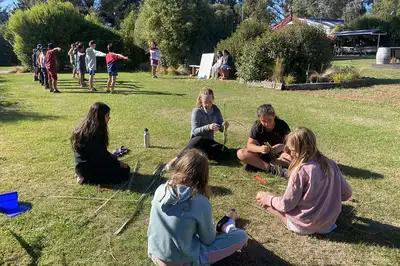
Students learning about maths through raranga and in the background through kapahaka.
Shepard shares how the research collaboration allows room for the lessons “to go deeper, rather than moving on quickly and rushing” to the next lesson. They are “learning maths in a way that actually honours who they are.” Te Maro reports that former students have taken leadership positions in their high schools from the confidence in their learning and in themselves that both pāngarau and the holistic pedagogy provide them.
Te Maro adds that many primary and intermediate teachers aren’t as confident in themselves with maths. The profession often sees more teachers gravitate toward junior classes to avoid teaching maths. She sees teachers gaining confidence in their maths instruction with the pāngarau approach. Paki admits his maths skills aren’t as strong as co-kaiako Rikihana’s, but teaching pāngarau has built his confidence, too. They will teach algebra through waka ama racing, which he says will be easy for him: he can already picture the whole lesson and is excited about it.
Te Maro sees pāngarau “as putting maths back in its rightful place…Not this thing that’s a boogy man to scare all our children and make them think they’re not good enough.” Pāngarau, Shepard reflects, is honouring Te Tiriti o Waitangi in the curriculum.
Our researchers
Discover more about the researchers who are bringing purpose and joy of maths to akonga.
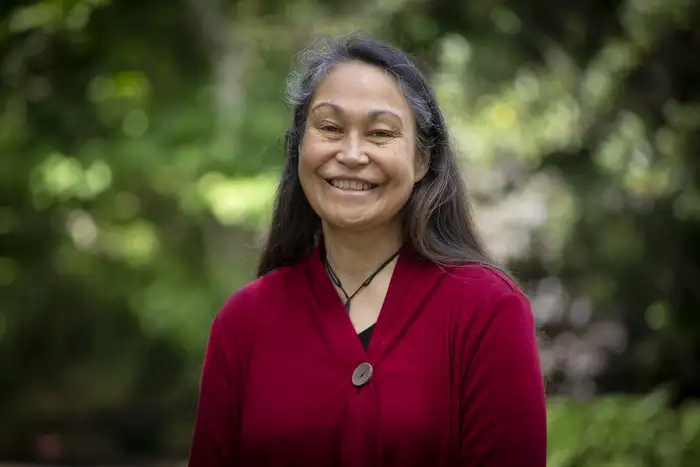
Associate Professor Pania Te Maro
Pania began her career in a bilingual class in 1992, continuing on to teach in rūmaki units, kōhanga reo, kura and wharekura. A tertiary teaching career began with 8 years at Victoria University, focusing on maths education and education for Māori. She moved to Massey University after 6 and a half years lecturing in teacher education at Te Whare Wānanga o Awanuiārangi.
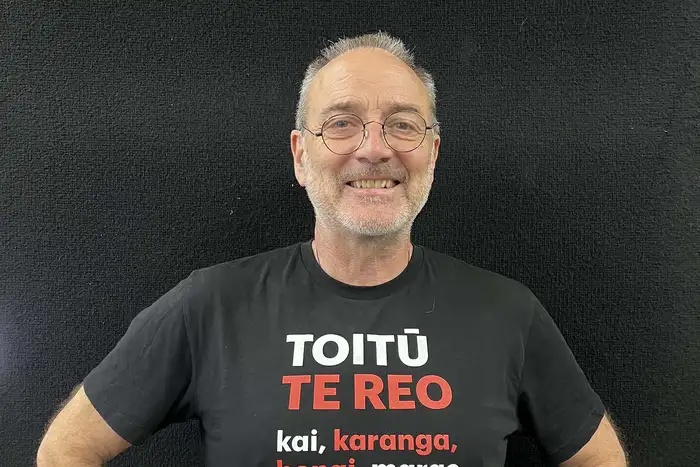
Dr Brian Tweed
Brian has a background in mathematics and science education in both English and Māori-medium schools. His PhD investigated the effects of curriculum mathematics education in Māori-medium schools.
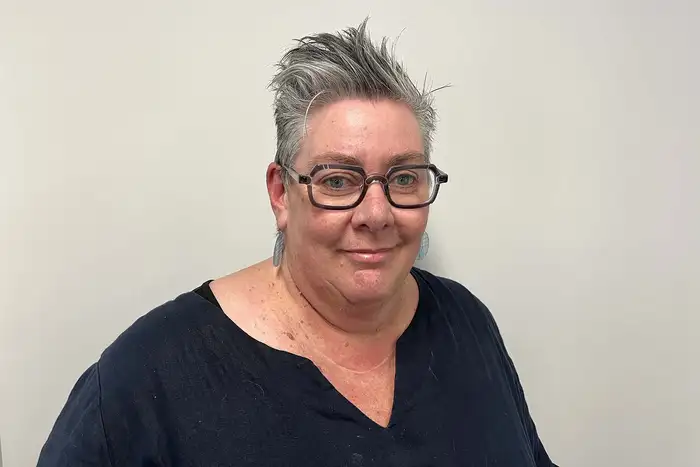
Dr Raewyn Eden
Raewyn has been a lecturer in mathematics education (primary) in the Institute of Education since January 2016. Much of her earlier teaching was in diverse schools, particularly at the primary level, in New Zealand and the Cook Islands.
Her interest is in the work of teachers and how we can support them to engage in ambitious teaching that promotes rich learning for diverse (all) students.
Research funder

Teaching & Learning Research Initiative (TLRI)
UN Sustainable Development Goals
Related content