Paul Kenyon has been a part of the Massey whānau for quite some time.
He began his journey at Massey studying in the early 1990s, focused on agricultural science. Paul gained all his qualifications through Massey, including a PhD he completed as a staff member. Now, he leads the School of Agriculture and Environment, preparing the next generation of agricultural innovators for a world that needs more food.
Paul is proud of Massey’s quality qualifications in the food and fibre sector. “Massey has a great name in agriculture,” he explains. That’s because students get a great mix of theory and hands on learning.
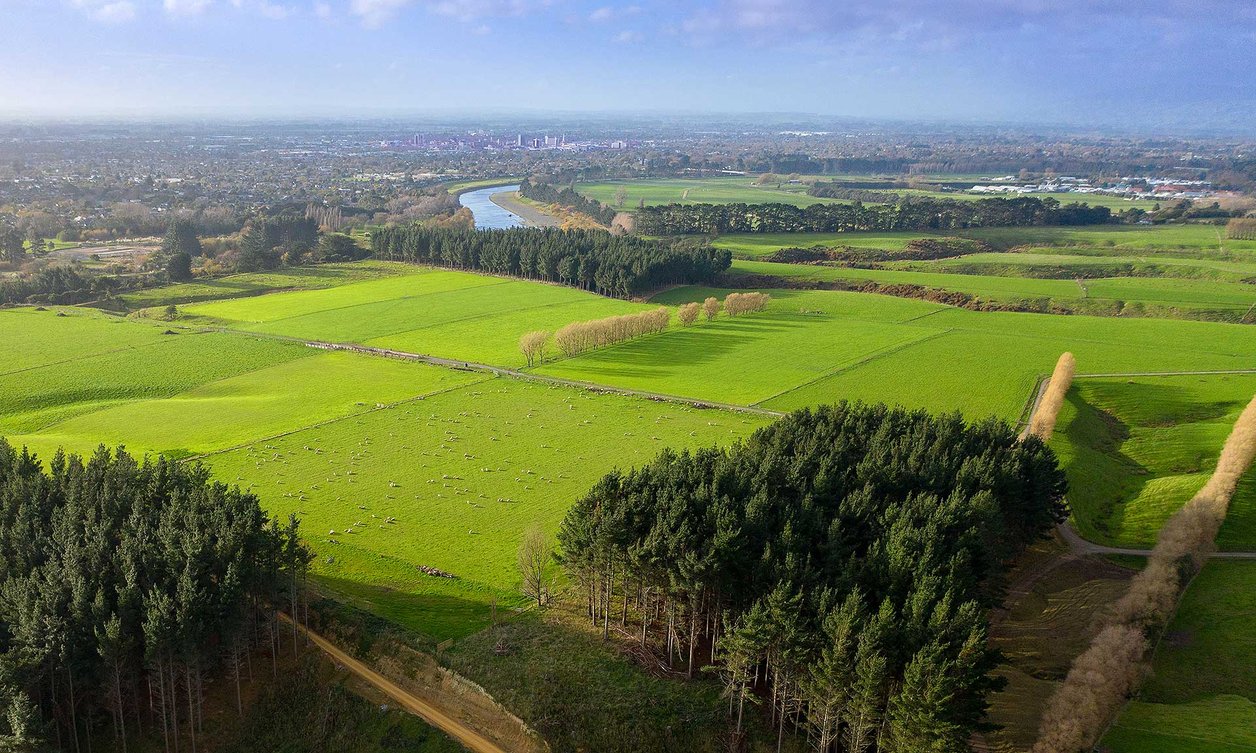
Massey’s Manawatū campus has been home to an agricultural school for nearly a century. Research farms and orchards are a core campus offering, providing the next generation of farmers and growers ample space to learn and innovate.
“You don't come and study just sheep as your degree – you're doing agriculture. So you're doing a bit on soils, a bit on plants, a bit on animals.”
The innovative qualifications are a big reason why the university has a strong reputation amongst New Zealand’s largest export sector. Massey combines research and practice to prepare farmers for a growing a sustainable future.
The School of Agriculture and Environment prioritises Sustainable Development Goals (SDGs) – including the call for the world to increase food production by 56% by 2050, without harming our environment.
“We need to help farmers, orchardists and vegetable growers increase productivity, but we've got to do that sustainably so we don't impact the environment negatively… When the SDGs talk about having no hunger and no poverty, agriculture and horticulture play a huge part.”
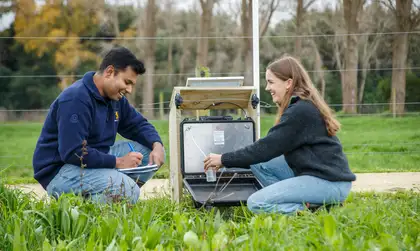
Study agriculture and horticulture
Study agriculture or horticulture at Massey to improve the growth, health and quality of animals and plants – and to help feed the world.
New ways of learning are preparing the next generation for great job opportunities. Paul says future graduates are being employed well before they finish their studies into good, well-paying jobs. “The industry is coming to the School of Agriculture and Environment, saying they need more people. It's just about letting young people understand the opportunities there.”
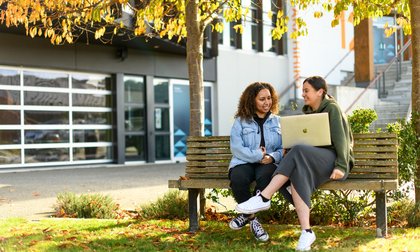
Students love the learning environment at Massey. “Even though I say there is huge demand, it has relatively small class sizes.” Students love the learning environment in the School of Agriculture and Environment, which, despite the demand, has relatively small class sizes. This works for Paul and his colleagues, giving them a chance to really get to know students.
“You get that real community team feel – an environment that our students find enjoyable.”
People are what Paul loves about his job here at Massey. Like many of his graduates, he could take his skills to attractive jobs across the globe. “Because of the resources, facilities, great people I work with and the students, there's nowhere else I want to go.”