Overview
Led by Massey University, Whenua Haumanu is the cornerstone of MPI’s portfolio of regenerative agriculture projects. It's New Zealand's most comprehensive programme on the effects of contemporary and regenerative pastoral practices.
This seven year project brings together universities, Crown Research Institutes and industry partners to assess the suitability and relevance of regenerative agriculture in New Zealand.
Whenua Haumanu measures multiple aspects throughout the farm system, exploring how different pasture mixes and management practices impact:
- soil biology, diversity and structure
- soil chemical and physical properties
- pasture growth, quality and persistence
- nutrient leaching
- methane and nitrous oxide emissions
- carbon capture and storage
- animal production, health and welfare
- quality of milk, meat and wool products.
Our researchers are exploring contemporary and regenerative farming practices across both standard and diverse pastures on several research sites at Massey University and Lincoln University. This project is also linked to a number of other sites where related projects on diverse pastures or regenerative farming practices are being explored.
Research sites
Our researchers are exploring contemporary and regenerative farming practices across both standard and diverse pastures on several research sites at Massey University and Lincoln University. Additional monitoring sites are planned on some Pāmu farms and pastoral industry demonstration farms.
Compare recent data from our farmlets, or sign up to our Whenua Haumanu newsletter to receive regular updates on how our research sites are performing. These pages are updated fortnightly with new data.
Massey University farmlets: Dairy 1 farm
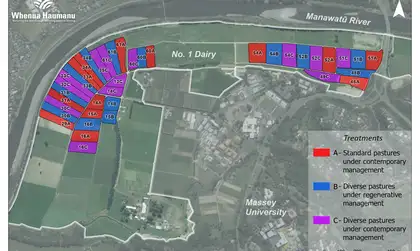
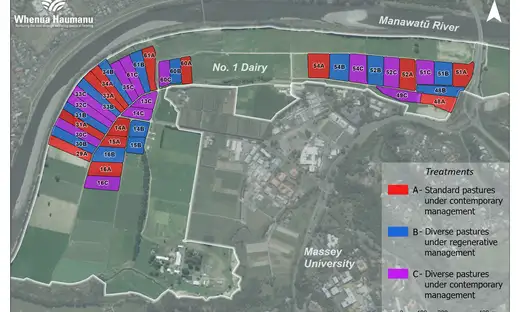
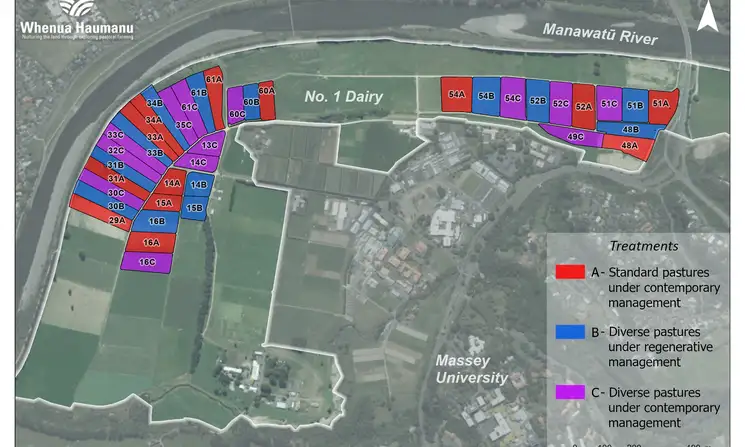
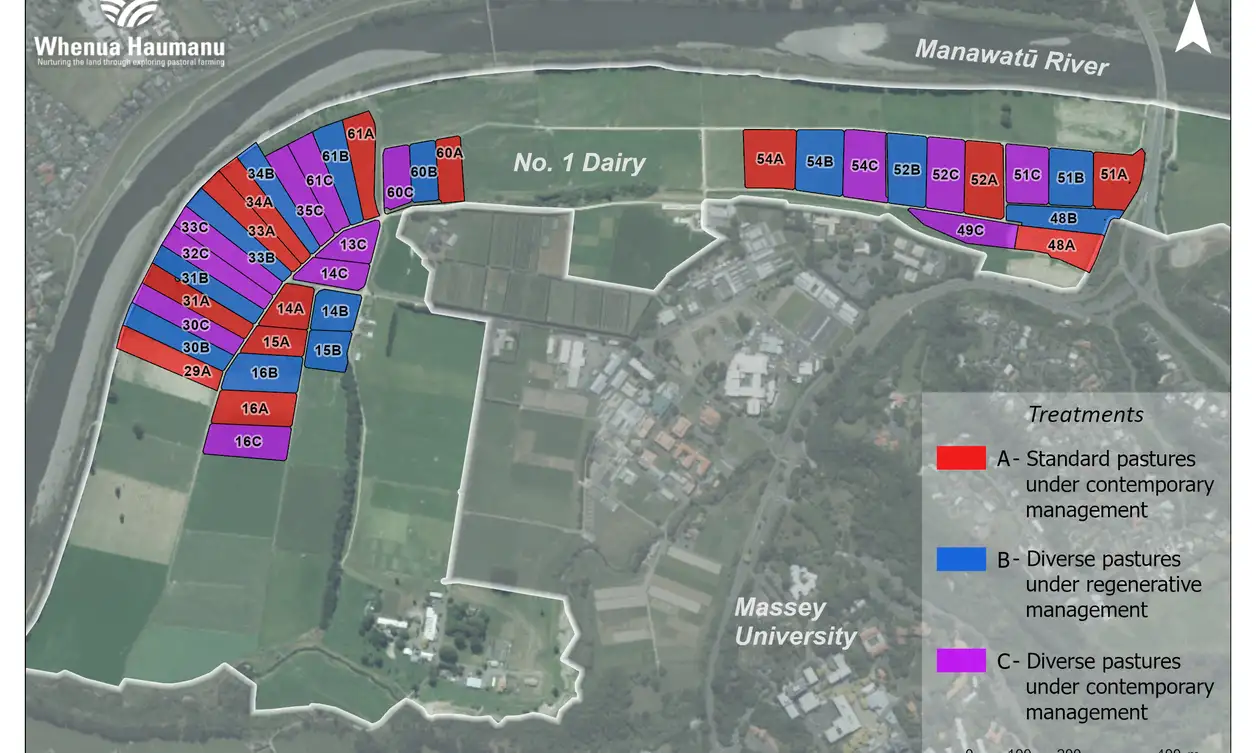
Dairy 1 is one of Massey's working farms. It borders the Manawatū River, within the city boundary. This research site is grazed by dairy cows and includes 3 farmlets: standard pasture under contemporary management, and diverse pasture under both regenerative and contemporary management.
Massey University: Pasture and Crop Research Unit (PCRU)
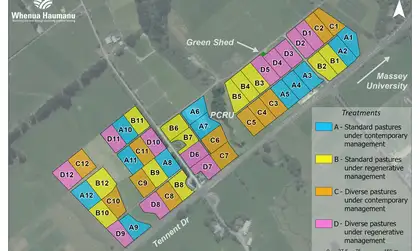
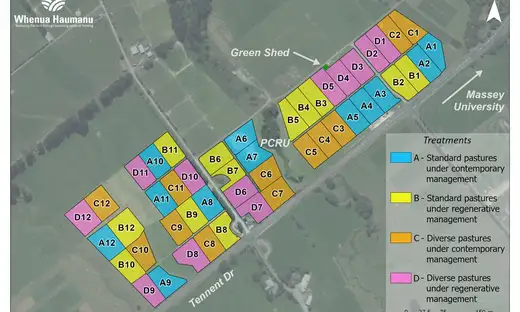
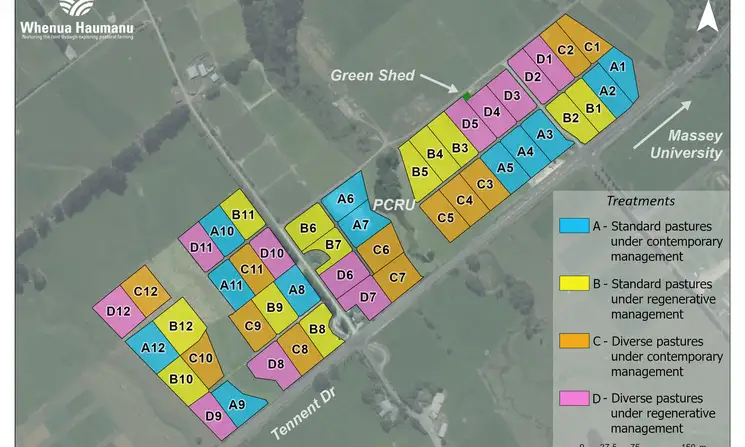
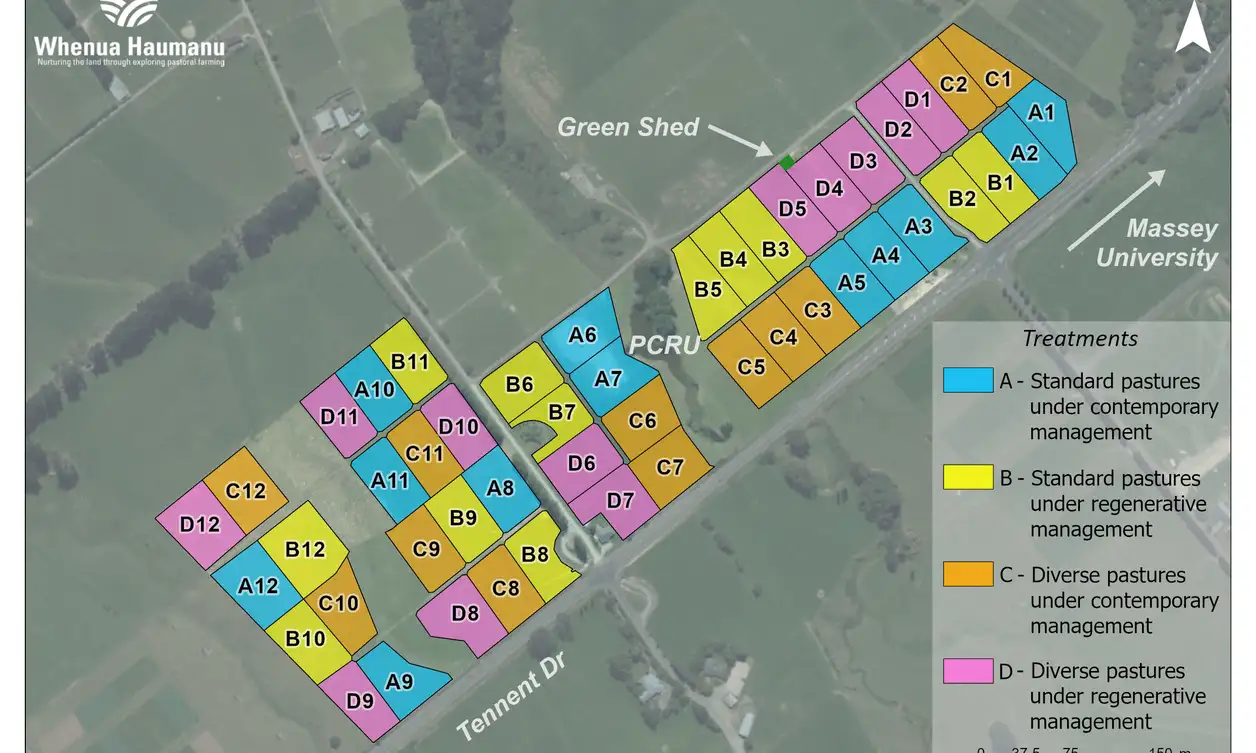
The PCRU is one of Massey's working farms grazed by sheep and cattle. It includes 4 farmlets: standard pastures under contemporary and regenerative management, and diverse pastures under contemporary and regenerative management.
Lincoln University: Field Research Centre (FRC)
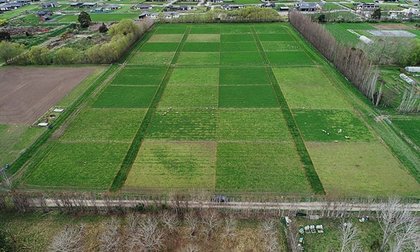
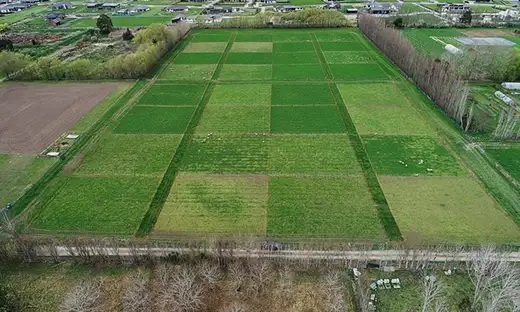
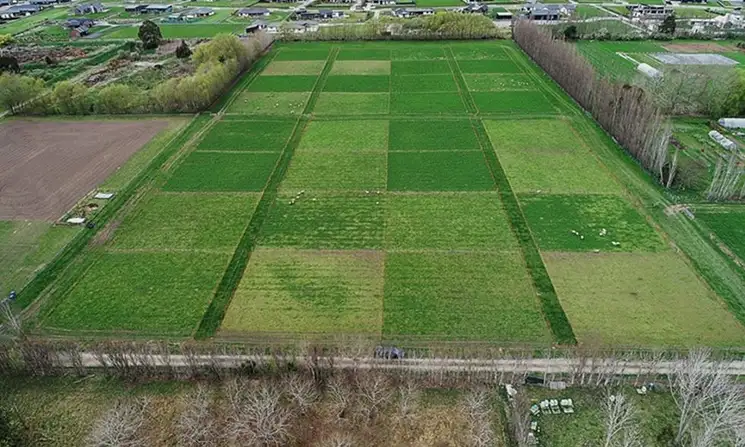
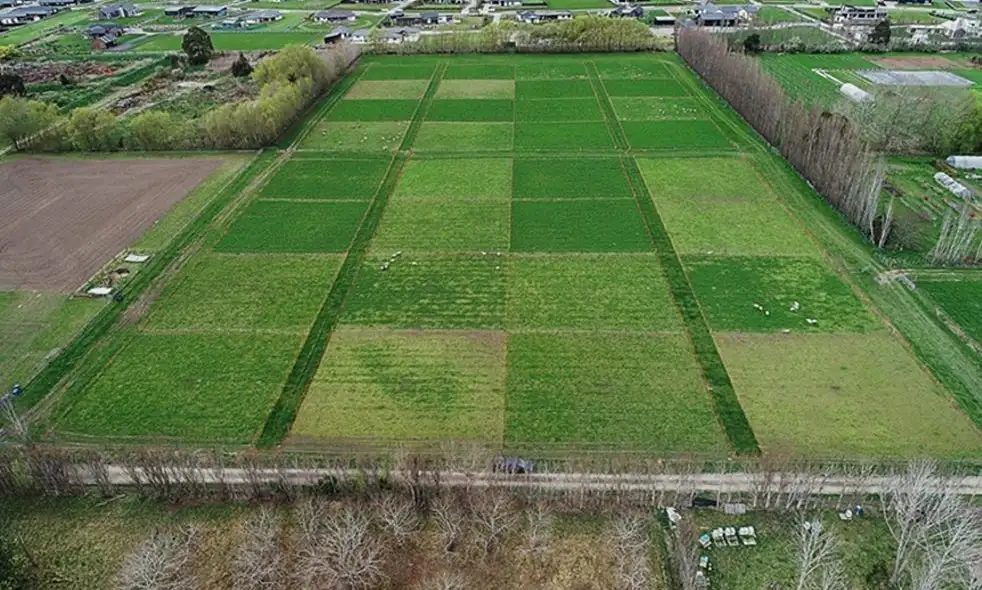
The FRC is Lincoln University‘s hub for applied plant, soil science and ecology research. This research site is grazed by sheep and includes four farmlets made up of 20 plots each.

Funding
Whenua Haumanu is supported by the Ministry for Primary Industries' Sustainable Food and Fibre Futures fund.
Nurturing the land
What are the impacts of farming on our soil health? What pasture plants should we use for sustainable farming in New Zealand? Meet some of the people that are helping to investigate our farming systems. Find out more about how Massey’s team is studying our farm land, how we care for it, understanding how traditional practices can work alongside regenerative, and how we can care for the environment.
Meet our research leads
Whenua Haumanu provides a platform for a number of undergraduate and post graduate research projects. If there is a topic that interests you, please get in touch with the relevant research lead.
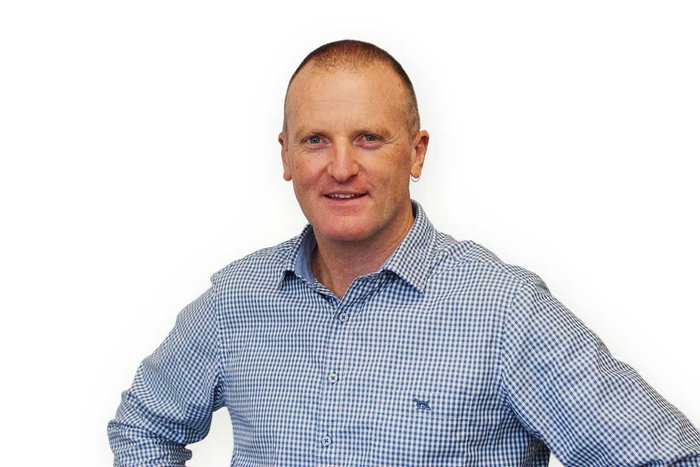
Professor Danny Donaghy
Whenua Haumanu programme lead
Danny Donaghy studied agricultural science at La Trobe University then did a PhD at the University of New England, New South Wales. Before Massey, Danny led and managed dairy research, development and extension as Dairy Centre Leader at the Tasmanian Institute of Agriculture.
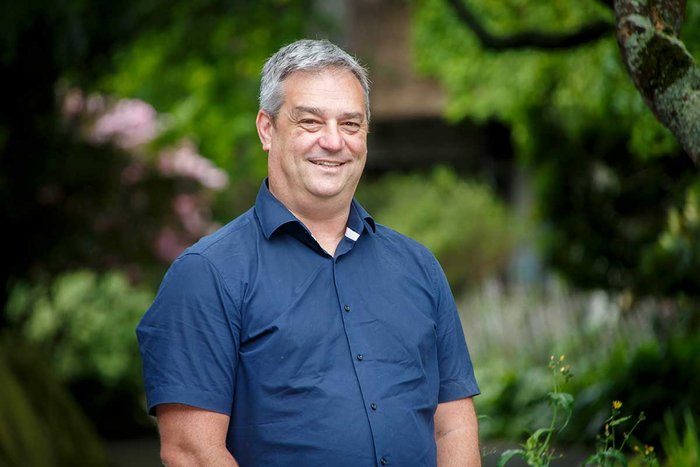
Professor Jonathan Procter
Mātauranga Māori lead
Jonathan Procter manages Massey’s Volcanic Risk Solutions research group. Jonathan contributes to national and international research into volcanic hazards, hazard detection and simulation, and community resilience to natural and environmental hazards.
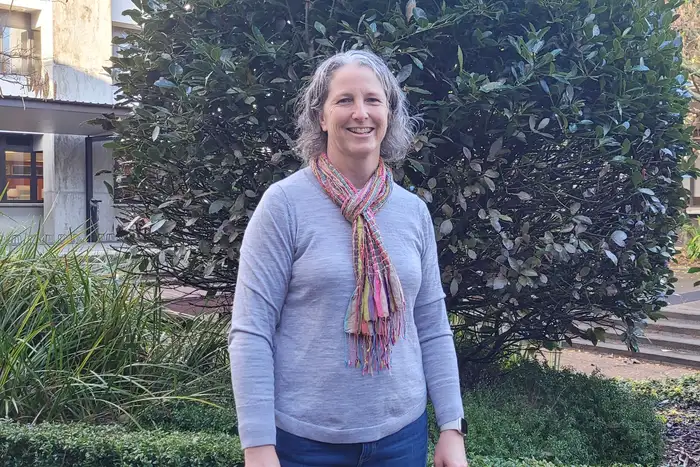
Associate Professor Lucy Burkitt
Soil research lead
Lucy has spent 20 years researching soil and nutrient management issues in agriculture, focusing on water quality and phosphorus loss from intensive and hill country pasture systems and use of high frequency water quality sensors and nutrient loss and attenuation/mitigation in hill country landscapes.
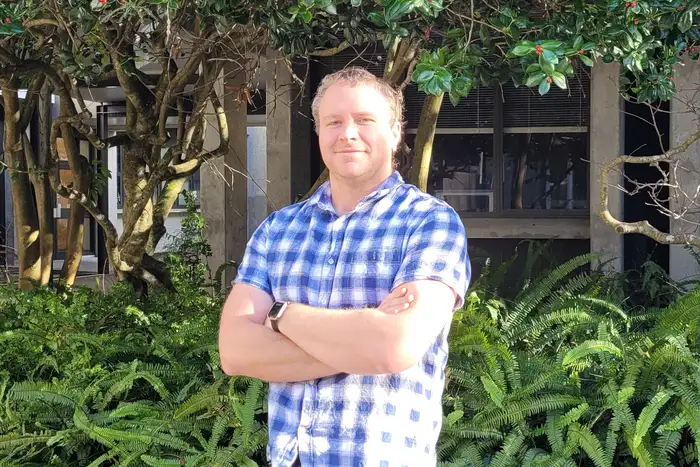
Dr Nick Sneddon
Dairy research lead
Nick completed his PhD in animal breeding in 2016. He then spent 5 years working in research and development in the dairy industry. Now, his research interests cover many aspects of animal breeding and genetics, with special focus on beef-on-dairy breeding, metagenomics and whole genome sequencing.
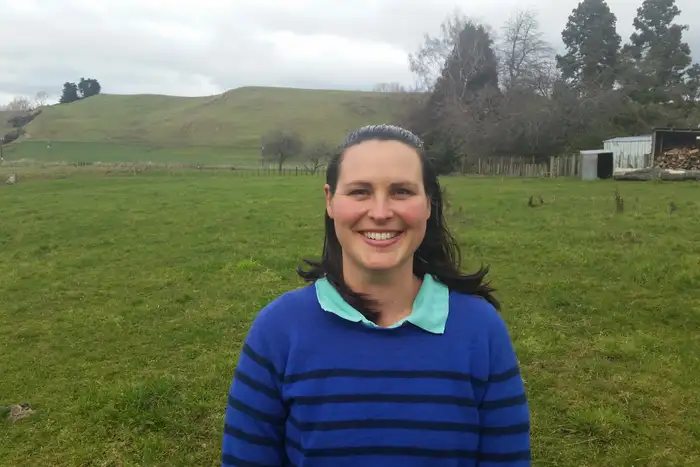
Dr Lydia Cranston
Sheep research lead
Lydia is a senior lecturer in animal production systems. Her teaching and research interests are in sheep and beef cattle production, nutrient leaching, agronomy and grazing management and farm system modelling.
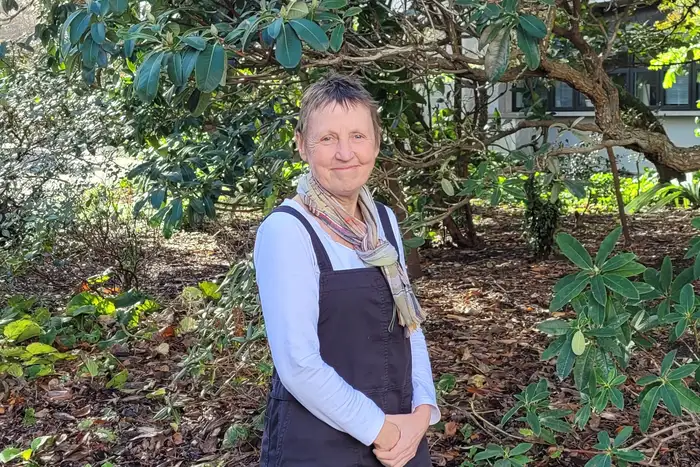
Dr Janet Reid
Communication, engagement and extension
Janet is a Senior Lecturer and Head of the Agriculture Group in SAE. Her lecturing and research interests are in agricultural extension and consultancy and systemic change in agriculture including the role of agricultural policy and governing. This includes acknowledging different knowledge and innovation systems.
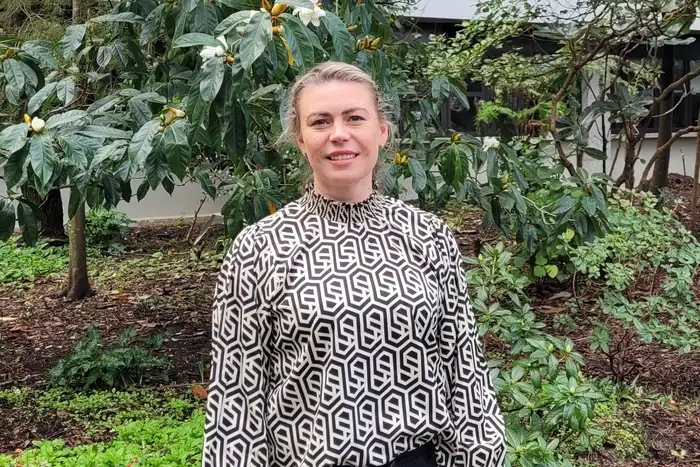
Dr Gabriella Grönqvist
Communication, engagement and extension
Gabriella is a senior research programme manager for the Whenua Haumanu programme. She has a background in animal science, with a special interest in animal health, welfare and behaviour.
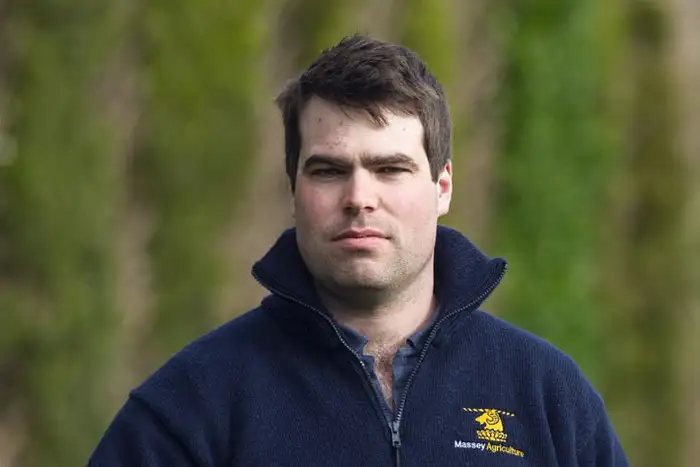
Dr Sam Wilson
Sam has been a lecturer and researcher at Massey since 2023. Sam studied agricultural science at Lincoln University, before working in soil research and the agrichemical sector in Canterbury for 4 years. In 2025, Sam completed his PhD on plantain survival in grazed pastures at Massey University. Sam’s research interests include plant responses to their environment and each other.
Science for farmers
Find out more about some of the scientific advances we have made in the first few year’s of the programme including pasture management, pasture plant selection, soil health, the technology we use to monitor farm paddocks, and how you can apply the results we have had on our research farms to your farm in New Zealand.
Research projects
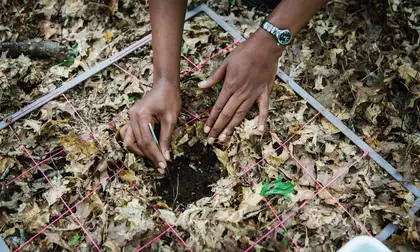
Soil research
Lucy Burkitt’s soil research explores the impact of regenerative management vs contemporary management on:
- carbon stocks/ labile carbon
- drainage water quality and N₂O emissions
- the rhizosphere
- soil microbial activity and the abundance/diversity of earthworms, micro- and above-ground arthropods
- physical measures, water extraction patterns, treading damage and irrigation response.
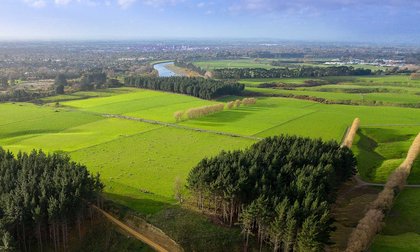
Pasture research
Sam Wilson explores pasture performance under regenerative and contemporary management, and measures:
- pasture yield/growth rates
- pasture quality and digestibility
- botanical composition
- plant persistence, energy levels and regrowth stage of major species
- hyperspectral imagery via hand-held and drone-mounted cameras
- greenhouse gas production from pasture types and species
- root depth and activity.
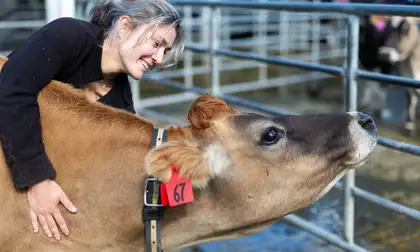
Dairy animal research
Our dairy animal research is led by Dr Nick Sneddon. We are investigating for differences in milk and reproductive performance and monitoring for any changes in animal welfare or health. We are monitoring:
- milking performance
- reproduction performance
- milk composition
- body condition and liveweight
- mineral status
- milk processing and flavour characteristics
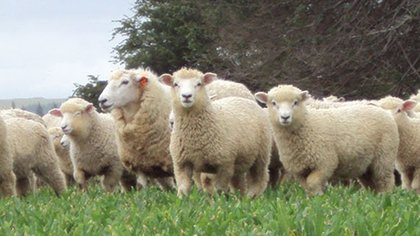
Sheep research
Our research lead for sheep research is Dr Lydia Cranston. Our sheep research is investigating the effects of diet or pasture management on the lambing performance, health, and behaviour in sheep. We're monitoring:
- worm burden
- reproductive performance
- mineral status
- physical condition, such as body condition scoring and teeth wear
- behavioural adaptations.
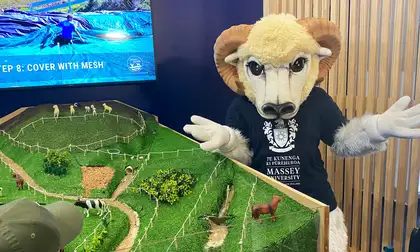
Communication, engagement and extension
Whenua Haumanu is one of a network of projects and initiatives exploring regenerative farming. Janet Reid and Gabriella Grönqvist:
- make the project's findings and learnings widely accessible
- connect, collaborate and complement other relevant projects and initiatives in New Zealand and overseas
- seek connections and engagement that will challenge and inform the science undertaken by the project.
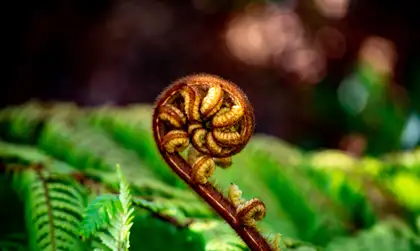
Māturanga Māori
Led by Professor Jonathan Procter, this projects explores how aspects of Mātauranga Māori will be incorporated into the Whenua Haumanu programme, how we connect and develop partnerships with local iwi (Rangitaane), other iwi and farmers in other regions.
Our people
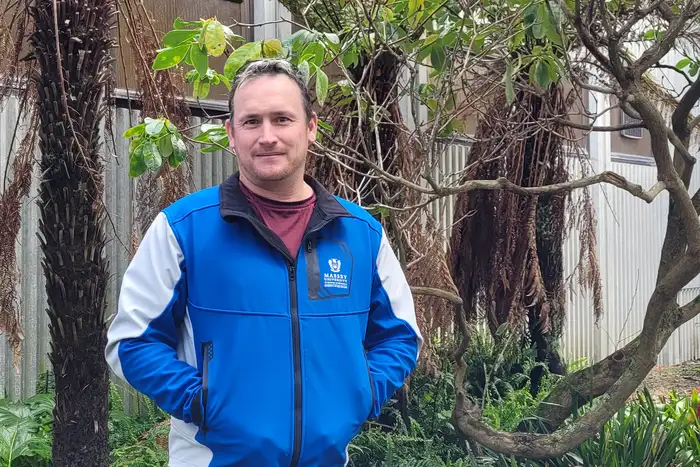
Meet our Whenua Haumanu operations team and research technicians.
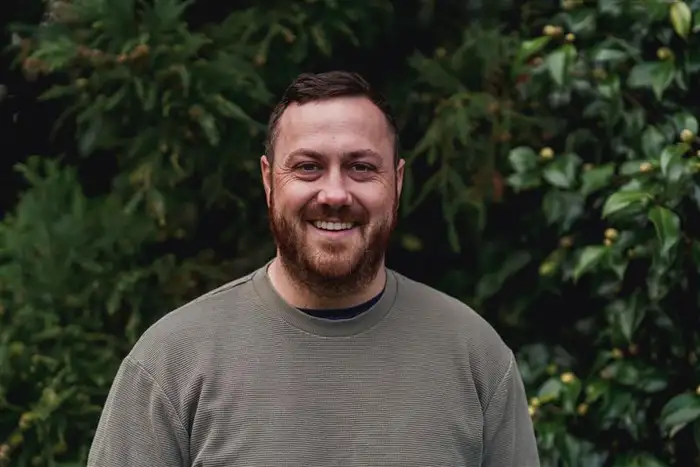
Benjamin Carter

Rocio Cofre
Research partners












Industry partners





















Whenua Haumanu news
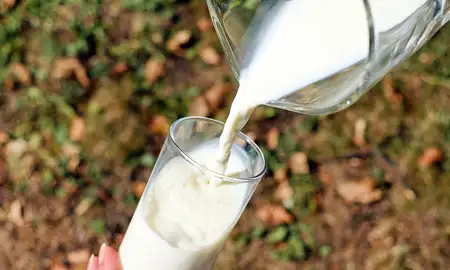
New Whenua Haumanu research shows pasture and lactation influence milk flavour
A recent study has found that consumers can taste differences in milk depending on what cows eat, as well as the stage of lactation at which the milk is produced.
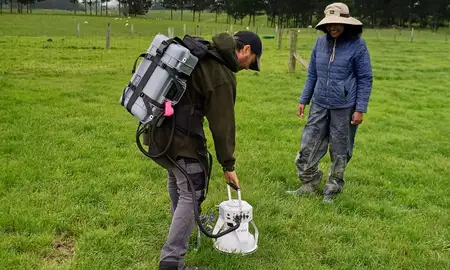
Cutting-edge emission tracking technology set to boost sustainable farming research
The College of Sciences’ School of Agriculture and Environment has acquired two portable trace gas analysers, which will allow researchers to measure greenhouse gas emissions from farmed land in real time.
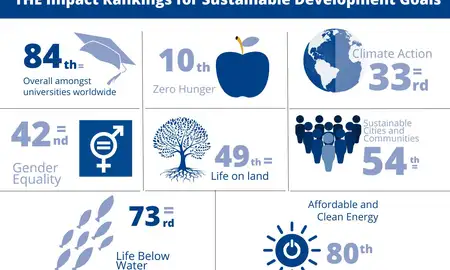
Massey recognised as global leader in sustainability in 2025 THE Impact Rankings
Times Higher Education has released its 2025 University Impact Rankings for the Sustainable Development Goals, with one of Massey’s rankings entering the top 10 worldwide.
Launch of practical guide to create resilient pastures in a changing climate
A new publication has been launched that offers a comprehensive and up-to-date resource on commercially available grazing pasture species in Aotearoa New Zealand.